grecfacilegrecfacile
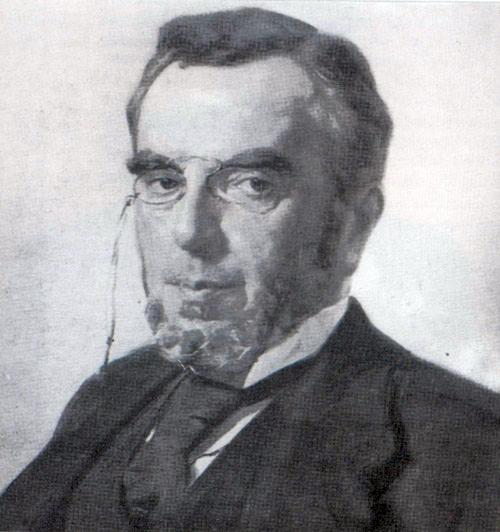
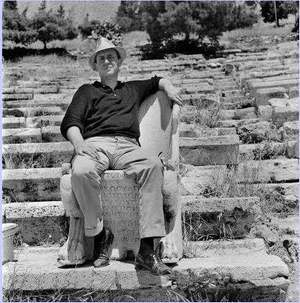
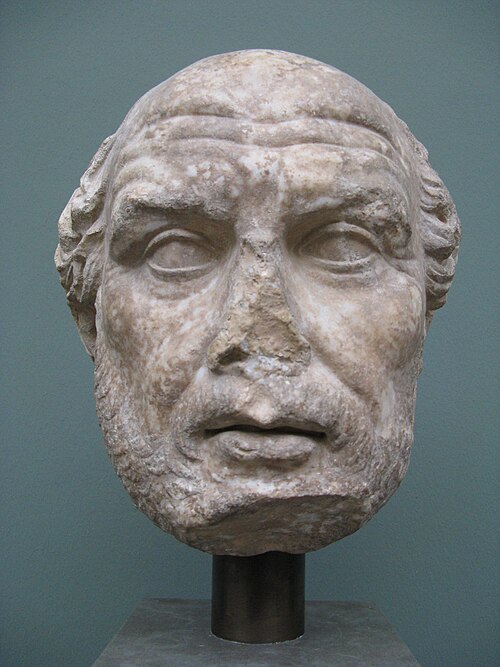
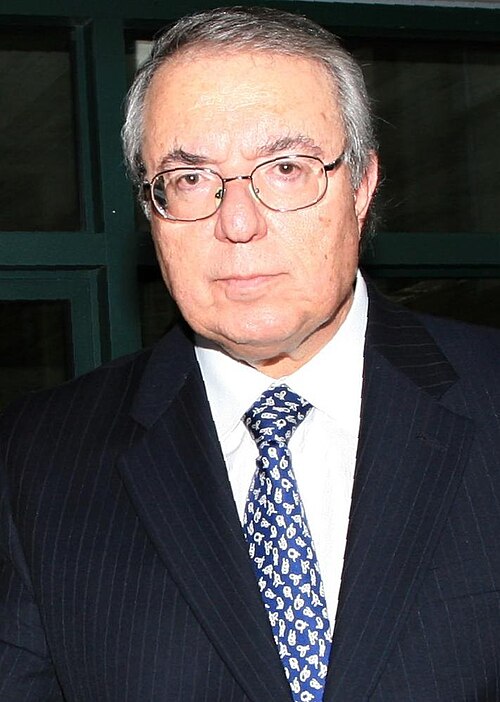
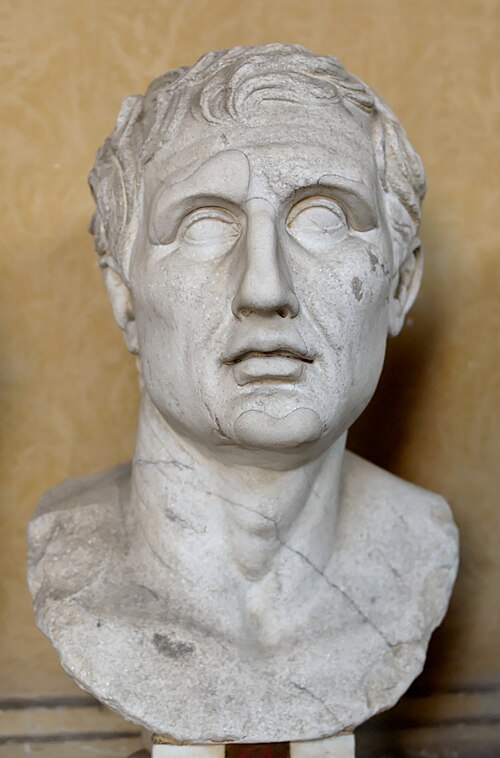
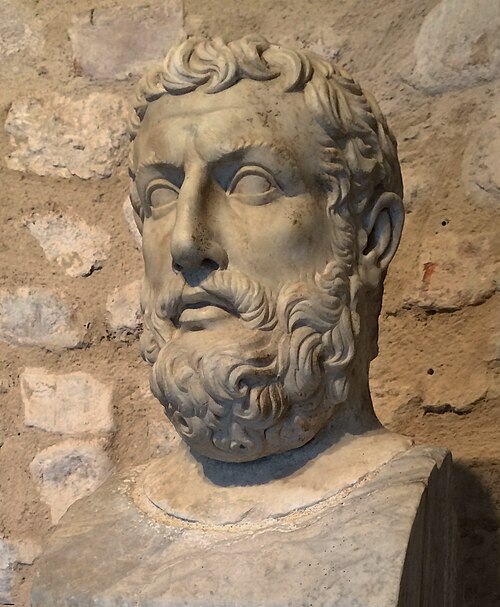
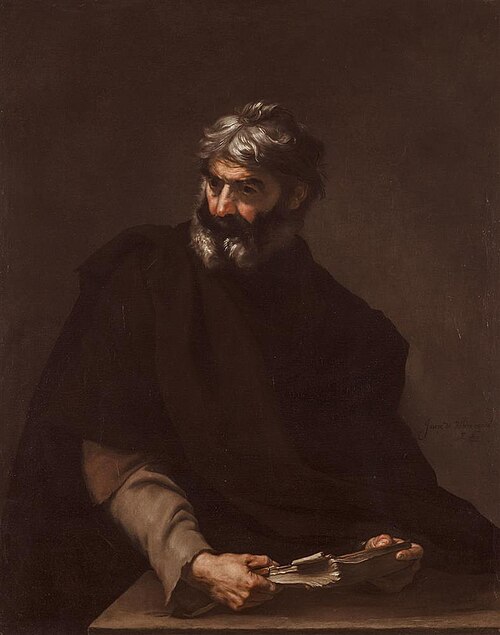
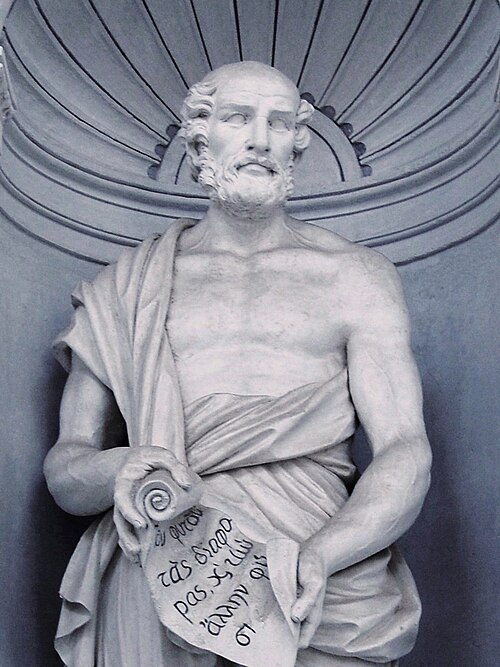
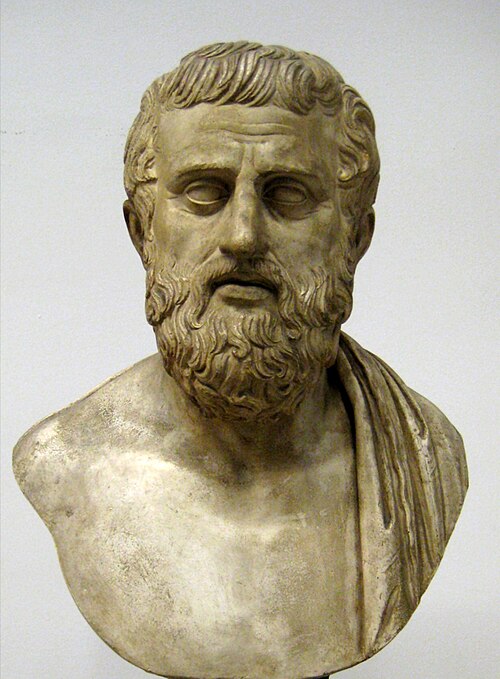
Sophocles
shakko · CC BY-SA 3.0 · Wikimedia Commons

B1Antiquity · Tragedian

Sophocles

Σοφοκλής

c. 497 BC – 406 BC · Colonus, Athens

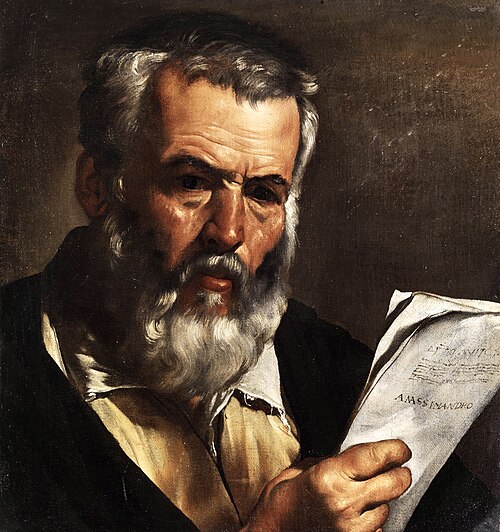
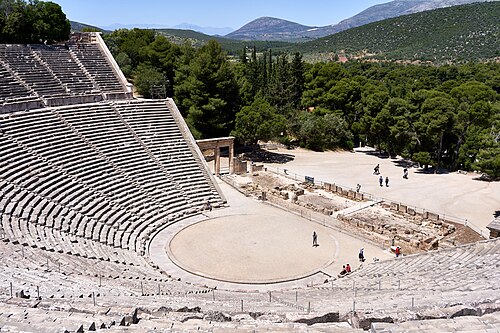
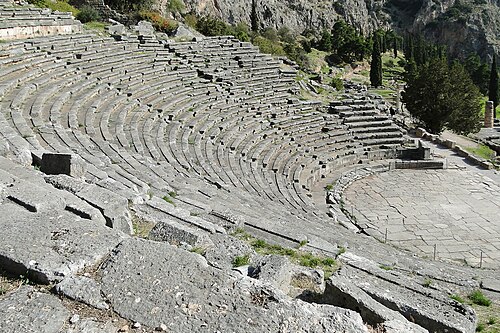
Sophocles (Σοφοκλής, c. 497–406 BC) wrote about 120 plays for the theatre of Athens and won the city's drama competition more often than anyone else. Seven tragedies survive, among them Αντιγόνη (Antigone), Οιδίπους Τύραννος (Oedipus the King) and Ηλέκτρα (Electra). They are still performed every summer in the ancient theatre of Epidaurus, and Antigone is read by every Greek teenager at school.

Life

Sophocles was born around 497 BC in Colonus, a village just outside the walls of Athens that he would later make the setting of his last play. His father, Sophillus, was a wealthy craftsman or arms manufacturer, and the boy received the best education Athens could offer in music and gymnastics. According to ancient biographers he was chosen, as a handsome sixteen-year-old, to lead the boys' chorus that celebrated the Greek victory at Salamis in 480 BC.

In 468 BC he entered the drama competition at the City Dionysia for the first time and defeated the great Aeschylus. From then on he won about twenty times at the Dionysia, plus several more at the smaller Lenaia festival, and he is said never to have come last. Unlike Euripides, he was also a public figure: in 443/2 he served as one of the treasurers of the Delian League, in 441/0 he was elected general alongside Pericles during the war against Samos, and after the Sicilian disaster of 413 he sat on the emergency committee that ran the city. He was also a priest of a healing cult, and tradition says that after his death the Athenians worshipped him as a hero under the name Dexion.

He lived to about ninety, through almost the whole of the Peloponnesian War, and died in 406 BC, a few months after Euripides. The comic poet Phrynichus wrote that he was blessed: a long life, many fine plays, and a death without suffering.

Works

Of about 120 plays, seven tragedies survive complete: Αίας (Ajax), Αντιγόνη (Antigone, c. 441 BC), Τραχίνιαι (Women of Trachis), Οιδίπους Τύραννος (Oedipus the King, c. 429 BC), Ηλέκτρα (Electra), Φιλοκτήτης (Philoctetes, 409 BC) and Οιδίπους επί Κολωνώ (Oedipus at Colonus, staged in 401 BC after his death). A large part of a satyr play, Ιχνευταί (The Trackers), turned up on a papyrus in Egypt in 1912.

Antigone buries her brother against the king's orders and chooses death over obedience; her clash with Creon is the oldest and clearest drama about conscience against the state. Oedipus the King shows a clever ruler investigating a crime and discovering that the criminal is himself: Aristotle took it as the model tragedy, and Freud borrowed its name for the Oedipus complex. Electra waits years to avenge her father, Philoctetes is a wounded man abandoned on an island whom the Greeks need back, and Oedipus at Colonus shows the blind old king finding peace in Sophocles' own village.

Aristotle credits Sophocles with adding a third actor to the stage and with introducing painted scenery; he also enlarged the chorus from twelve to fifteen. His heroes are stubborn, lonely people who refuse to bend, and his plots are built so tightly that every scene turns the screw. The famous chorus of Antigone, «Πολλὰ τὰ δεινὰ κοὐδὲν ἀνθρώπου δεινότερον πέλει» (Many things are wondrous, and none more wondrous than man), is the ancient world's hymn to human intelligence and its limits.

Legacy in Greece today

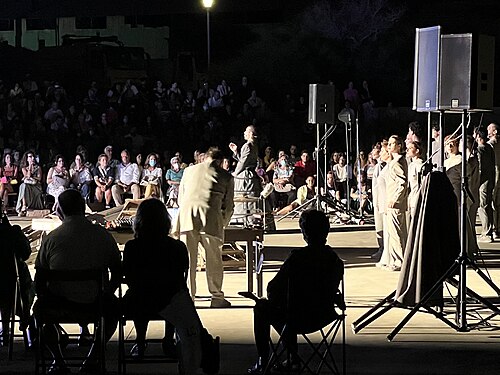
Antigone is a set text in the second year of the Greek Lyceum, so every Greek adult has translated Creon and Antigone's quarrel line by line; the Οιδίπους Τύραννος is studied at university. Each summer the Athens Epidaurus Festival stages Sophocles in the ancient theatre of Epidaurus, and seeing Antigone or Oedipus there, under the stars, is a rite of passage. The term «οιδιπόδειο σύμπλεγμα» (Oedipus complex) is everyday Greek, and Antigone, Electra and Ismene are still common girls' names. Streets named Σοφοκλέους exist in central Athens and most Greek cities. Modern directors from Dimitris Rontiris in the 1930s to Theodoros Terzopoulos today have built their reputations on his plays.

Did you know?

  • His first entry in the competition, in 468 BC, beat Aeschylus; the story goes that the general Cimon and his colleagues were asked to judge instead of the usual jury.
  • He was elected general in 441/0 BC, reportedly because the Athenians were so delighted by Antigone.
  • According to Cicero, when his son accused him in court of senility, the old poet read the judges a chorus from Oedipus at Colonus and was acquitted at once.
  • Of his roughly 120 plays, 113 are known by title, but only seven have reached us complete.

Key works

Greek titleTitleYear
ΑίαςAjaxc. 450–440 BC
ΑντιγόνηAntigonec. 441 BC
Οιδίπους ΤύραννοςOedipus the Kingc. 429 BC
ΗλέκτραElectrac. 420–410 BC
ΦιλοκτήτηςPhiloctetes409 BC
Οιδίπους επί ΚολωνώOedipus at Colonus401 BC

A line to remember

Οὔτοι συνέχθειν, ἀλλὰ συμφιλεῖν ἔφυν.

In today's GreekΔεν γεννήθηκα για να μισώ μαζί με άλλους, αλλά για να αγαπώ μαζί τους.

Outoi synechthein, alla symphilein ephyn.

I was born not to join in hating, but to join in loving.

Αντιγόνη, στίχος 523 (c. 441 BC)

From the original

The text as Sophocles wrote it, out of copyright, with our own translation beside it.

«Αντιγόνη»Antigone

The chorus of Theban elders sings this ode just after learning that someone has defied Creon and buried Polynices. It praises human skill, and later warns that cleverness can lead to good or to ruin.

πολλὰ τὰ δεινὰ κοὐδὲν ἀνθρώπου δεινότερον πέλει.Many things are wondrous, and none more wondrous than man.
τοῦτο καὶ πολιοῦ πέραν πόντου χειμερίῳ νότῳHe crosses even the grey sea in the stormy south wind,
χωρεῖ, περιβρυχίοισινmaking his way beneath the swells
περῶν ὑπ᾽ οἴδμασιν.that roar around him.
θεῶν τε τὰν ὑπερτάταν, ΓᾶνAnd Earth, the highest of the gods,
ἄφθιτον, ἀκαμάταν, ἀποτρύεταιundying, unwearied, he wears away,
ἰλλομένων ἀρότρων ἔτος εἰς ἔτοςas the ploughs turn year after year,
ἱππείῳ γένει πολεύων.working her soil with the breed of horses.
κουφονόων τε φῦλον ὀρνίθων ἀμφιβαλὼν ἄγειThe tribe of light-minded birds he snares and carries off,
καὶ θηρῶν ἀγρίων ἔθνη πόντου τ᾽ εἰναλίαν φύσινand the races of wild beasts and the creatures of the sea,
σπείραισι δικτυοκλώστοις,in the coils of woven nets,
περιφραδὴς ἀνήρ·man, the resourceful one;
κρατεῖ δὲ μηχαναῖς ἀγραύλουwith his devices he masters the beast
θηρὸς ὀρεσσιβάτα, λασιαύχενά θ᾽that lives in the fields and roams the mountains; the shaggy-maned
ἵππον ὀχμάζεται ἀμφὶ λόφον ζυγῶνhorse he tames with the yoke about its neck,
οὔρειόν τ᾽ ἀκμῆτα ταῦρον.and the tireless mountain bull.

Αντιγόνη, στ. 332–352 (c. 441 π.Χ.), first strophe and antistrophe of the «Ode to Man» · Public-domain text, source: el.wikisource.org
B1

Read about Sophocles in Greek (B1)

Words from the passage

  • pupil
  • king
  • I forbid
  • murderer
  • I discover
  • competition
  • general
  • performance

Test yourself: 4 words from this page

1 / 4

What does this word mean?

Want to learn Greek?Start learning Greek
Others at level B1

Modern Greece · Poet and diplomatGiorgos Seferis1900 – 1971Modern Greece · PoetKostas Karyotakis1896 – 1928Modern Greece · NovelistStratis Myrivilis1890 – 1969Antiquity · Comic playwrightAristophanesc. 446 BC – c. 386 BCAntiquity · Mathematician and inventorArchimedesc. 287 BC – c. 212 BCAntiquity · PhysicianHippocratesc. 460 BC – c. 370 BCAntiquity · Mathematician and philosopherHypatiac. 355 – 415Modern Greece · General of 1821Theodoros Kolokotronis1770 – 1843Modern Greece · PoetMaria Polydouri1902 – 1930Modern Greece · Novelist and playwrightGrigorios Xenopoulos1867 – 1951Modern Greece · Novelist, first IOC presidentDimitrios Vikelas1835 – 1908Modern Greece · Poet and seamanNikos Kavvadias1910 – 1975Modern Greece · NovelistAntonis Samarakis1919 – 2003Modern Greece · Rebetiko singer and bouzouki playerMarkos Vamvakaris1905 – 1972Modern Greece · Composer, bouzouki playerVassilis Tsitsanis1915 – 1984Modern Greece · PainterYannis Tsarouchis1910 – 1989Modern Greece · Officer, Macedonian StrugglePavlos Melas1870 – 1904Modern Greece · PoetAristotelis Valaoritis1824 – 1879Modern Greece · Novelist, journalistIoannis Kondylakis1861 – 1920Modern Greece · NovelistIlias Venezis1904 – 1973Modern Greece · Novelist, playwrightMargarita Liberaki1919 – 2001Modern Greece · NovelistVassilis Vassilikos1934 – 2023Modern Greece · PainterNikos Hadjikyriakos-Ghika1906 – 1994Modern Greece · Painter, writerFotis Kontoglou1895 – 1965Modern Greece · Folk singer, researcherDomna Samiou1928 – 2012Modern Greece · PoetKostas Krystallis1868 – 1894Modern Greece · NovelistMaria Iordanidou1897 – 1989Modern Greece · Humorist, screenwriterNikos Tsiforos1909 – 1970Modern Greece · ArchaeologistManolis Andronikos1919 – 1992Modern Greece · Resistance hero, politicianManolis Glezos1922 – 2020Modern Greece · Resistance heroineLela Karagianni1898 – 1944Modern Greece · ComposerApostolos Kaldaras1922 – 1990Modern Greece · AstronomerDimitrios Eginitis1862 – 1934Renaissance · Poet · empressAelia Eudociac. 400 – 460Modern Greece · Sculptor and visual artistAlex Mylona1920 – 2016Modern Greece · Documentary filmmakerAlinda Dimitriou1933 – 2013Modern Greece · Novelist · short-story writerAmanda Michalopoulou1966Antiquity · Philosopher of natureAnaxagorasc. 500 BC – 428 BCAntiquity · Philosopher of natureAnaximanderc. 610 BC – c. 546 BCAntiquity · Natural philosopherAnaximenes6th c. BCModern Greece · Folklorist and folk-art scholarAngeliki Chatzimichali1895 – 1965Modern Greece · Actress and theatre company founderAnna Synodinou1927 – 2016Modern Greece · Experimental filmmaker and visual artistAntoinetta Angelidi1950Modern Greece · Poet · Novelist · TranslatorAris Alexandrou1922 – 1978Antiquity · Mathematician and astronomerAristarchus of Samosc. 310 BC – c. 230 BCModern Greece · Actress, theatre organiser and writerAspasia Papathanassiou1918 – 2020Antiquity · Figure of classical AthensAspasia5th c. BCModern Greece · Poet and journalistAthina Papadaki1945Modern Greece · Filmmaker and producerAthina Rachel Tsangari1966Modern Greece · Visual artistBia Davou1932 – 1996Modern Greece · Poet and translatorChrysa Prokopaki1940Modern Greece · Visual artistChryssa Romanos1931 – 2006Modern Greece · Installation and land artistDanae Stratou1964Modern Greece · Choreographer and visual artistDimitris Papaioannou1964Antiquity · PhilosopherDemocritusc. 460 BC – c. 370 BCModern Greece · Film/theatre directorDimos Avdeliodis1952Modern Greece · Dance organiser · cultural heritageDora Stratou1903 – 1988Modern Greece · Painter and art teacherEleni Boukoura-Altamoura1821/1824 – 1900Modern Greece · Composer · film and theatreEleni Karaindrou1941Modern Greece · Poet and art criticEleni Vakalo1921 – 2001Modern Greece · Philologist · lexicographerEmmanuel Kriaras1906 – 2014Antiquity · Philosopher and poetEmpedoclesc. 490 BC – c. 430 BCAntiquity · Stoic philosopherEpictetusc. AD 55 – c. AD 135Antiquity · Mathematician and geographerEratosthenesc. 276 BC – c. 194 BCAntiquity · SculptorPheidiasModern Greece · Film director · writerFrida Liappa1948 – 1994Modern Greece · Novelist and poetGalatea Kazantzaki1881 – 1962Antiquity · Physician and medical writerGalenAD 129 – c. AD 216Modern Greece · Linguist and lexicographerGeorgios Babiniotis1939Modern Greece · Laïko singer · vocal teacherGiota NegkaModern Greece · Novelist · screenwriterIoanna Karystiani1952Renaissance · Byzantine empressIrene of Athensc. 752 – 803Modern Greece · Mezzo-soprano · PianistIrma Kolassi1918 – 2012Antiquity · Poet · ScholarCallimachusc. 305 BC – c. 240 BCRenaissance · Poet · hymnographerKassiani (Kassia)c. 800–810Modern Greece · Poet and translatorKaterina Anghelaki-Rooke1939 – 2020Modern Greece · Judge · former presidentKaterina Sakellaropoulou1956Antiquity · Queen of EgyptCleopatra VII69 BC – 30 BCModern Greece · Landscape painterKonstantinos Maleas1879 – 1928Antiquity · Lyric poetCorinnaModern Greece · Film director · screenwriterCosta-Gavras1933Modern Greece · Dance teacher and choreographerKoula Pratsika1899 – 1984Modern Greece · Visual and performance artistLeda Papakonstantinou1945Modern Greece · Writer and journalistLafcadio Hearn1850 – 1904Modern Greece · Novelist and historianLena Divani1955Modern Greece · Violinist · ConductorLeonidas Kavakos1967Modern Greece · Actress · director · theatre teacherLydia Koniordou1953Modern Greece · Poet and translatorManto Aravantinou1923/1926 – 1998Modern Greece · Singer · interpreter of poetryMaria Farantouri1947Modern Greece · Poet, prose writerMaria Kentrou-Agathopoulou1930Modern Greece · Poet and translatorMaria Kyrtzaki1948 – 2016Modern Greece · Sculptor and installation artistMaria Loizidou1958Modern Greece · Film director and editorMaria Plyta1915 – 2006Antiquity · Playwright · New ComedyMenanderc. 344–342 BC – c. 292–291 BCModern Greece · Fiction writer · TranslatorMenis Koumantareas1931 – 2014Modern Greece · Poet and painterNana Isaia1934 – 2003Modern Greece · Film directorNikos Koundouros1926 – 2017Modern Greece · Lyricist · Prose writerOdysseas Ioannou1967Antiquity · Philosopher and poetParmenidesc. 515 BCModern Greece · Novelist · crime fictionPetros Markaris1937Antiquity · Sophist and teacherProtagorasc. 490 BC – c. 420 BCModern Greece · Dancer, choreographer and teacherRallou Manou1915 – 1988Modern Greece · Visual artist and teacherRena Papaspyrou1938Modern Greece · Singer · composerSavina Yannatou1959Antiquity · Lyric poetSimonides of Ceosc. 556 BC – c. 468 BCModern Greece · PainterSofia Laskaridou1876 – 1965Modern Greece · Novelist, historian and translatorSoti Triantafyllou1957Modern Greece · Painter and church decoratorSpyros Papaloukas1892 – 1957Modern Greece · Filmmaker and actorStavros Tornes1932 – 1988Antiquity · Geographer and historianStraboc. 64 BC – c. AD 24Modern Greece · Singer · actressTania Tsanaklidou1952Modern Greece · Fiction writer · ScreenwriterThanasis Valtinos1932 – 2024Renaissance · Byzantine empressTheodorac. 500 – 548Modern Greece · Theatre director and teacherTheodoros Terzopoulos1945Antiquity · Philosopher and naturalistTheophrastusc. 371 BC – c. 287 BCModern Greece · Novelist and translatorTheodor Kallifatides1938Modern Greece · Poet · TranslatorTitos Patrikios1928Modern Greece · Film director · screenwriterTonia Marketaki1942 – 1994Modern Greece · Poet · TranslatorJenny Mastoraki1949 – 2024Antiquity · Philosopher of paradoxZeno of Eleac. 490 BCModern Greece · Dancer, choreographer and teacherZouzou Nikoloudi1917 – 2004

All personalities →