grecfacilegrecfacile
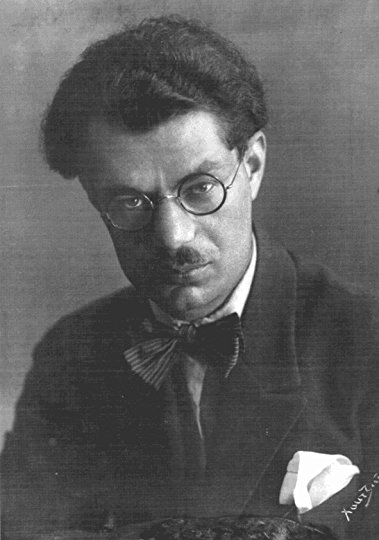
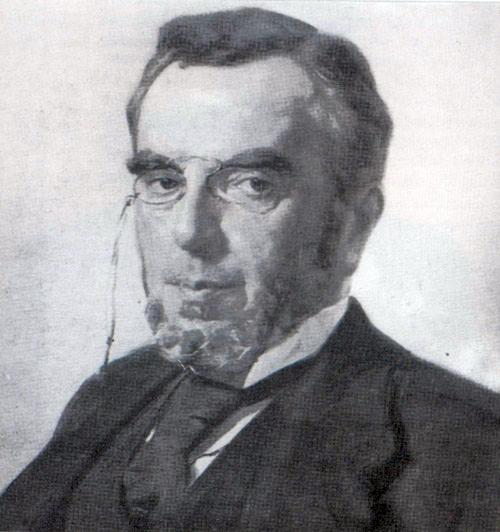
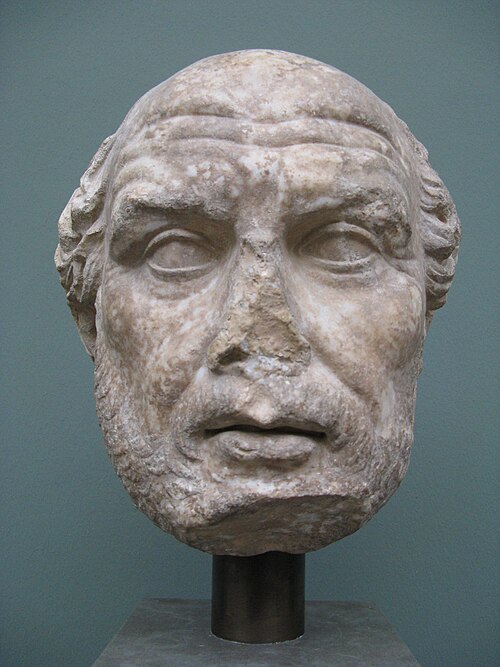
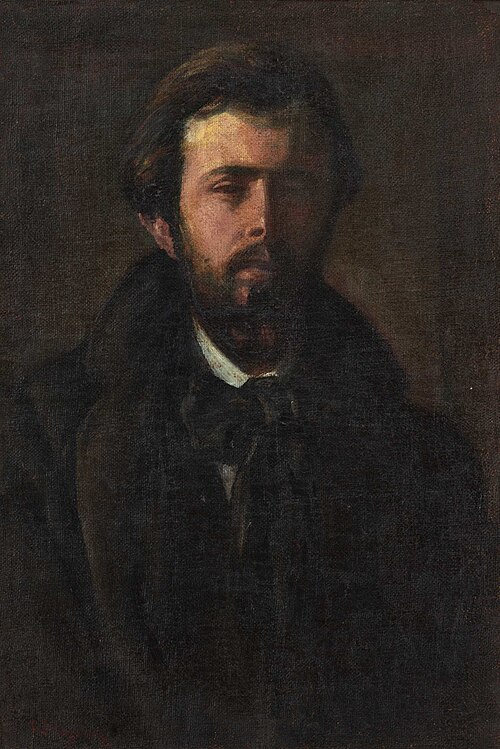
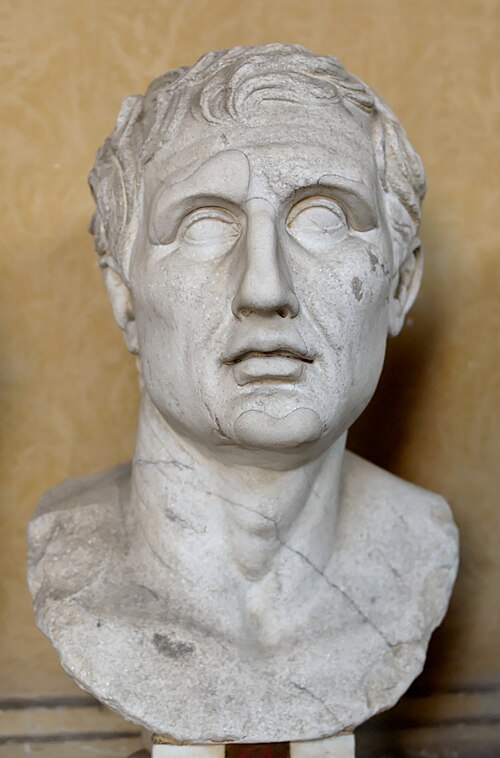
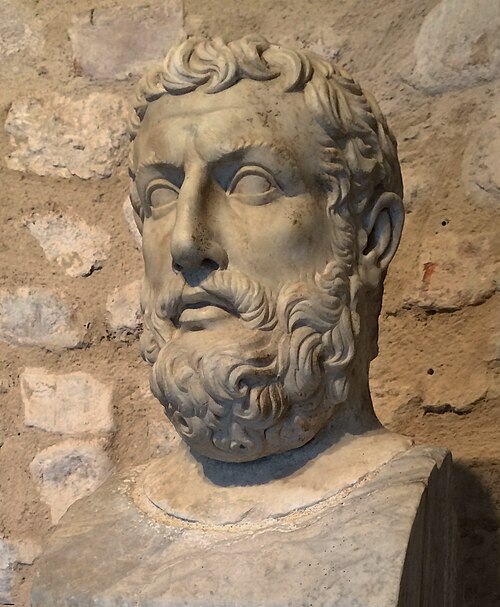
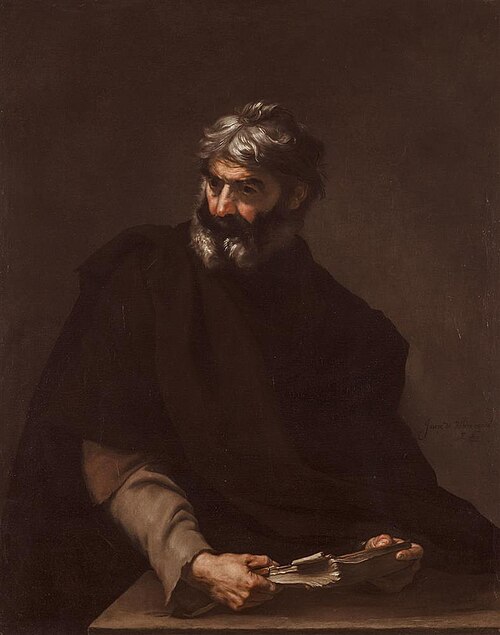
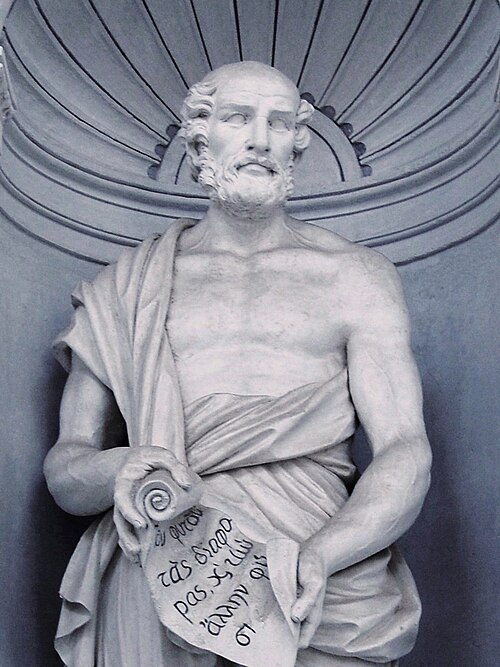
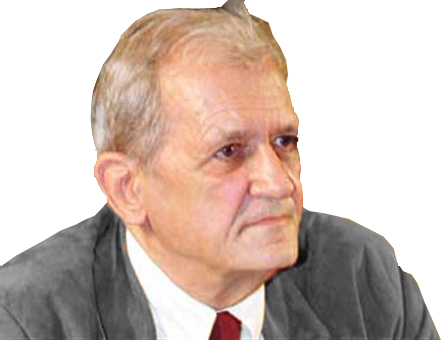
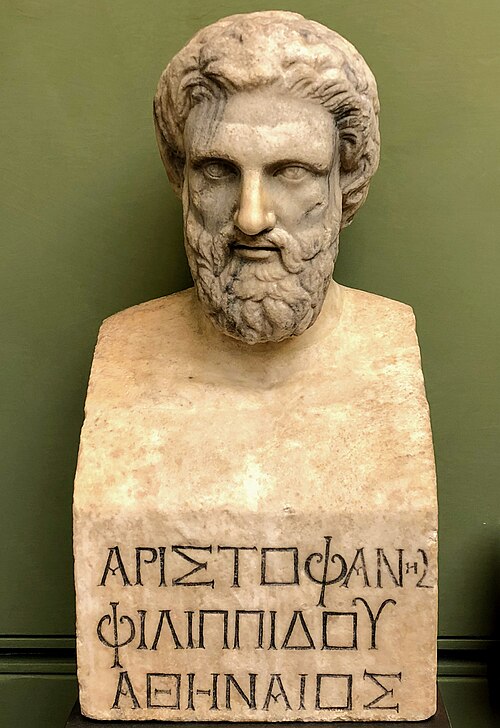
Aristophanes
Alexander Mayatsky · CC BY-SA 4.0 · Wikimedia Commons

B1Antiquity · Comic playwright

Aristophanes

Αριστοφάνης

c. 446 BC – c. 386 BC · Athens

Aristophanes (Αριστοφάνης, c. 446–c. 386 BC) was the master of Athenian Old Comedy, a theatre of fantasy, obscenity and political attack. Eleven of his roughly forty plays survive, the only complete comedies we have from classical Greece: in Λυσιστράτη (Lysistrata) the women go on a sex strike to end a war, in Όρνιθες (The Birds) two Athenians build a city in the sky, and in Νεφέλαι (The Clouds) he mocks Socrates.

Life

Almost everything we know about Aristophanes comes from his plays. He was born around 446 BC, an Athenian citizen of the deme Kydathenaion, and grew up during the glory years of Pericles. He was still very young when his first comedy, Δαιταλείς (The Banqueters), was staged in 427 BC under the name of a producer, apparently because he was too young to apply for a chorus himself. His second play, Βαβυλώνιοι (The Babylonians, 426 BC), attacked the powerful politician Cleon, who reportedly took him to court; Aristophanes answered by mocking Cleon even harder in Ιππής (The Knights, 424 BC), which won first prize.

His whole career unfolded during the Peloponnesian War between Athens and Sparta (431–404 BC), and peace is his constant theme. He wrote for the two comic festivals of Athens, the Lenaia in winter and the City Dionysia in spring, competing against rivals such as Cratinus and Eupolis. He won first prize with Αχαρνής (The Acharnians, 425 BC), The Knights and Βάτραχοι (The Frogs, 405 BC), which was so admired that the city granted it a second performance, an honour never given to a comedy before.

After Athens lost the war he kept writing, but the mood had changed: his last two plays, Εκκλησιάζουσαι (Women at the Assembly, c. 392 BC) and Πλούτος (Wealth, 388 BC), are gentler and less political. He had three sons, one of whom, Araros, produced his final comedies. He died around 386 BC.

Works

Eleven comedies survive. The early war plays are the sharpest: in The Acharnians a farmer makes a private peace treaty with Sparta and enjoys it alone; in Ειρήνη (Peace, 421 BC) a vine-grower flies to heaven on a giant dung beetle to rescue the goddess Peace; in Lysistrata (411 BC) the women of Greece refuse to sleep with their husbands until the men stop fighting. The Clouds (423 BC) shows Socrates hanging in a basket, studying the sky and teaching young men to win bad arguments; Socrates later said at his trial that this caricature had poisoned the jury against him. Σφήκες (The Wasps, 422 BC) laughs at the Athenian love of jury duty.

The Birds (414 BC), his longest and most beautiful play, has two Athenians persuade the birds to build Νεφελοκοκκυγία (Cloud-cuckoo-land) between earth and heaven and starve the gods into surrender. The Frogs sends the god Dionysus down to the underworld to bring back a dead poet, and stages a contest between Aeschylus and Euripides, complete with the frogs' chorus «Βρεκεκεκὲξ κοὰξ κοάξ». Θεσμοφοριάζουσαι (Women at the Thesmophoria, 411 BC) has the women of Athens put Euripides on trial for slandering them.

His comedies mix slapstick, puns, songs of great lyric beauty, parodies of tragedy and direct attacks on real people sitting in the audience. In the parabasis the chorus stepped forward and addressed the citizens in the poet's own voice, scolding them about politics. Nothing was off-limits: politicians, generals, philosophers, gods, and the audience itself.

Legacy in Greece today

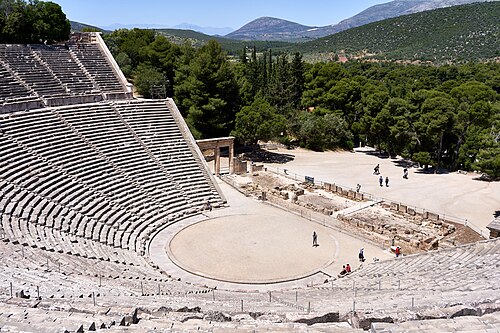
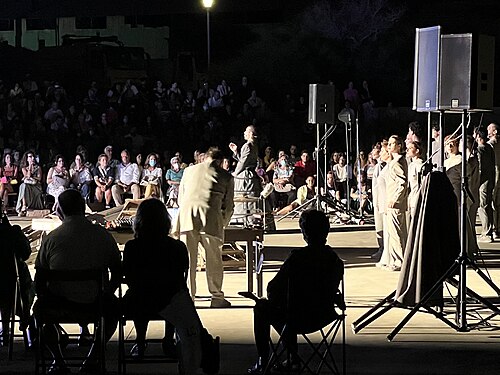
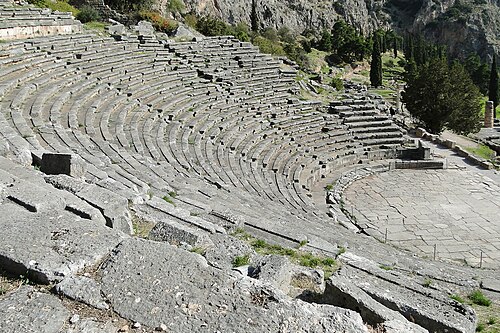
Every summer the Athens Epidaurus Festival stages an Aristophanes comedy in the ancient theatre, and Greek audiences still roar at jokes about taxes and politicians that are 2,400 years old. Karolos Koun's production of The Birds in 1959 caused a scandal in Athens and then triumphed abroad, and his Art Theatre made Aristophanes a modern classic. The word Νεφελοκοκκυγία is used in Greek for any fantasy project, and Λυσιστράτη has become a symbol of women's protest worldwide. Plato made Aristophanes a character in the Συμπόσιον (Symposium), where he tells the myth of the first humans split in two and searching for their other half, a story this site retells. Excerpts of The Birds and The Clouds are read in Greek schools, and the adjective «αριστοφανικός» (Aristophanic) still describes any biting, bawdy political satire.

Did you know?

  • Plato put a speech in his mouth in the Symposium: the myth that humans were once double creatures, cut in half by Zeus, and that love is the search for our lost half.
  • In The Clouds Socrates says «ἀεροβατῶ καὶ περιφρονῶ τὸν ἥλιον»: in ancient Greek «περιφρονῶ» meant «I contemplate», but in Modern Greek it means «I despise», so the line sounds today like «I despise the sun».
  • The Frogs is the only ancient comedy we know to have been granted a second performance by vote of the city.
  • Socrates sat in the audience of The Clouds; a later anecdote claims he stood up so that the foreigners present could see who was being mocked.

Key works

Greek titleTitleYear
ΑχαρνήςThe Acharnians425 BC
ΝεφέλαιThe Clouds423 BC
ΌρνιθεςThe Birds414 BC
ΛυσιστράτηLysistrata411 BC
ΒάτραχοιThe Frogs405 BC
ΠλούτοςWealth388 BC

A line to remember

Ἀεροβατῶ καὶ περιφρονῶ τὸν ἥλιον.

In today's GreekΠερπατώ στον αέρα και μελετώ τον ήλιο.

Aerovato kai perifrono ton ilion.

I walk on air and contemplate the sun.

Νεφέλαι, στίχος 225 (423 BC)

From the original

The text as Aristophanes wrote it, out of copyright, with our own translation beside it.

«Νεφέλαι»The Clouds

Old Strepsiades has come to Socrates' 'Thinkery' to learn how to dodge his debts, and finds the philosopher hanging in a basket above the stage. It is the first appearance of Socrates in the play, and the comic portrait Plato would later answer.

ΣΤΡΕΨΙΑΔΗΣ: Φέρε τίς γὰρ οὗτος οὑπὶ τῆς κρεμάθρας ἀνήρ ;STREPSIADES: Tell me, who's that man up there in the hanging basket?
ΜΑΘΗΤΗΣ: Αὐτός.STUDENT: Himself.
ΣΤΡΕΨΙΑΔΗΣ: Τίς αὐτός ;STREPSIADES: Who's "himself"?
ΜΑΘΗΤΗΣ: Σωκράτης.STUDENT: Socrates.
ΣΤΡΕΨΙΑΔΗΣ: Ὦ Σωκράτης.STREPSIADES: Oh, Socrates!
ἴθ᾿ οὗτος ἀναβόησον αὐτόν μοι μέγα.Go on, you, give him a good loud shout for me.
ΜΑΘΗΤΗΣ: Αὐτὸς μὲν οὖν σὺ κάλεσον· οὐ γάρ μοι σχολή.STUDENT: Call him yourself; I haven't got the time.
ΣΤΡΕΨΙΑΔΗΣ: Ὦ Σώκρατες, ὦ Σωκρατίδιον.STREPSIADES: Socrates! Dear little Socrates!
ΣΩΚΡΑΤΗΣ: Τί με καλεῖς, ὦφήμερε ;SOCRATES: Why do you call me, creature of a day?
ΣΤΡΕΨΙΑΔΗΣ: Πρῶτον μὲν ὅ τι δρᾷς, ἀντιβολῶ, κάτειπέ μοι.STREPSIADES: First of all, I beg you, tell me what you're doing.
ΣΩΚΡΑΤΗΣ: Ἀεροβατῶ καὶ περιφρονῶ τὸν ἥλιον.SOCRATES: I walk on air and contemplate the sun.
ΣΤΡΕΨΙΑΔΗΣ: Ἐπειτ᾿ ἀπὸ ταρροῦ τοὺς θεοὺς ὑπερφρονεῖς,STREPSIADES: So you look down on the gods from a basket,
ἀλλ᾿ οὐκ ἀπὸ τῆς γῆς, εἴπερ ;and not from the ground, if you must do it?
ΣΩΚΡΑΤΗΣ: Οὐ γὰρ ἄν ποτεSOCRATES: Because I never could
ἐξηῦρον ὀρθῶς τὰ μετέωρα πράγματαhave rightly found out things up in the sky
εἰ μὴ κρεμάσας τὸ νόημα καὶ τὴν φροντίδα,unless I hung my mind and thinking high
λεπτὴν καταμείξας εἰς τὸν ὅμοιον ἀέρα.and mixed it, fine as it is, with the air it resembles.
Εἰ δ᾿ ὢν χαμαὶ τἄνω κάτωθεν ἐσκόπουν,If I stayed on the ground and studied things above from below,
οὐκ ἄν ποθ᾿ ηὗρον· οὐ γὰρ ἀλλ᾿ ἡ γῆ βίᾳI'd never find a thing; the earth by force
ἕλκει πρὸς αὑτὴν τὴν ἰκμάδα τῆς φροντίδος.pulls to itself the moisture of our thinking.
Πάσχει δὲ ταὐτὸ τοῦτο καὶ τὰ κάρδαμα.Watercress goes through exactly the same.
ΣΤΡΕΨΙΑΔΗΣ: Τί φῄς ;STREPSIADES: What's that?
Ἡ φροντὶς ἕλκει τὴν ἰκμάδ᾿ εἰς τὰ κάρδαμα ;Thinking pulls the moisture into watercress?

Νεφέλαι (423 BC), lines 218–234: Socrates in the basket · Public-domain text, source: el.wikisource.org
B1

Read about Aristophanes in Greek (B1)

Words from the passage

  • comedy
  • peace
  • I decide
  • bird
  • I make fun of
  • politician
  • spectator
  • joke

Test yourself: 4 words from this page

1 / 4

What does this word mean?

Want to learn Greek?Start learning Greek
Others at level B1

Modern Greece · Poet and diplomatGiorgos Seferis1900 – 1971Modern Greece · PoetKostas Karyotakis1896 – 1928Modern Greece · NovelistStratis Myrivilis1890 – 1969Antiquity · TragedianSophoclesc. 497 BC – 406 BCAntiquity · Mathematician and inventorArchimedesc. 287 BC – c. 212 BCAntiquity · PhysicianHippocratesc. 460 BC – c. 370 BCAntiquity · Mathematician and philosopherHypatiac. 355 – 415Modern Greece · General of 1821Theodoros Kolokotronis1770 – 1843Modern Greece · PoetMaria Polydouri1902 – 1930Modern Greece · Novelist and playwrightGrigorios Xenopoulos1867 – 1951Modern Greece · Novelist, first IOC presidentDimitrios Vikelas1835 – 1908Modern Greece · Poet and seamanNikos Kavvadias1910 – 1975Modern Greece · NovelistAntonis Samarakis1919 – 2003Modern Greece · Rebetiko singer and bouzouki playerMarkos Vamvakaris1905 – 1972Modern Greece · Composer, bouzouki playerVassilis Tsitsanis1915 – 1984Modern Greece · PainterYannis Tsarouchis1910 – 1989Modern Greece · Officer, Macedonian StrugglePavlos Melas1870 – 1904Modern Greece · PoetAristotelis Valaoritis1824 – 1879Modern Greece · Novelist, journalistIoannis Kondylakis1861 – 1920Modern Greece · NovelistIlias Venezis1904 – 1973Modern Greece · Novelist, playwrightMargarita Liberaki1919 – 2001Modern Greece · NovelistVassilis Vassilikos1934 – 2023Modern Greece · PainterNikos Hadjikyriakos-Ghika1906 – 1994Modern Greece · Painter, writerFotis Kontoglou1895 – 1965Modern Greece · Folk singer, researcherDomna Samiou1928 – 2012Modern Greece · PoetKostas Krystallis1868 – 1894Modern Greece · NovelistMaria Iordanidou1897 – 1989Modern Greece · Humorist, screenwriterNikos Tsiforos1909 – 1970Modern Greece · ArchaeologistManolis Andronikos1919 – 1992Modern Greece · Resistance hero, politicianManolis Glezos1922 – 2020Modern Greece · Resistance heroineLela Karagianni1898 – 1944Modern Greece · ComposerApostolos Kaldaras1922 – 1990Modern Greece · AstronomerDimitrios Eginitis1862 – 1934Renaissance · Poet · empressAelia Eudociac. 400 – 460Modern Greece · Sculptor and visual artistAlex Mylona1920 – 2016Modern Greece · Documentary filmmakerAlinda Dimitriou1933 – 2013Modern Greece · Novelist · short-story writerAmanda Michalopoulou1966Antiquity · Philosopher of natureAnaxagorasc. 500 BC – 428 BCAntiquity · Philosopher of natureAnaximanderc. 610 BC – c. 546 BCAntiquity · Natural philosopherAnaximenes6th c. BCModern Greece · Folklorist and folk-art scholarAngeliki Chatzimichali1895 – 1965Modern Greece · Actress and theatre company founderAnna Synodinou1927 – 2016Modern Greece · Experimental filmmaker and visual artistAntoinetta Angelidi1950Modern Greece · Poet · Novelist · TranslatorAris Alexandrou1922 – 1978Antiquity · Mathematician and astronomerAristarchus of Samosc. 310 BC – c. 230 BCModern Greece · Actress, theatre organiser and writerAspasia Papathanassiou1918 – 2020Antiquity · Figure of classical AthensAspasia5th c. BCModern Greece · Poet and journalistAthina Papadaki1945Modern Greece · Filmmaker and producerAthina Rachel Tsangari1966Modern Greece · Visual artistBia Davou1932 – 1996Modern Greece · Poet and translatorChrysa Prokopaki1940Modern Greece · Visual artistChryssa Romanos1931 – 2006Modern Greece · Installation and land artistDanae Stratou1964Modern Greece · Choreographer and visual artistDimitris Papaioannou1964Antiquity · PhilosopherDemocritusc. 460 BC – c. 370 BCModern Greece · Film/theatre directorDimos Avdeliodis1952Modern Greece · Dance organiser · cultural heritageDora Stratou1903 – 1988Modern Greece · Painter and art teacherEleni Boukoura-Altamoura1821/1824 – 1900Modern Greece · Composer · film and theatreEleni Karaindrou1941Modern Greece · Poet and art criticEleni Vakalo1921 – 2001Modern Greece · Philologist · lexicographerEmmanuel Kriaras1906 – 2014Antiquity · Philosopher and poetEmpedoclesc. 490 BC – c. 430 BCAntiquity · Stoic philosopherEpictetusc. AD 55 – c. AD 135Antiquity · Mathematician and geographerEratosthenesc. 276 BC – c. 194 BCAntiquity · SculptorPheidiasModern Greece · Film director · writerFrida Liappa1948 – 1994Modern Greece · Novelist and poetGalatea Kazantzaki1881 – 1962Antiquity · Physician and medical writerGalenAD 129 – c. AD 216Modern Greece · Linguist and lexicographerGeorgios Babiniotis1939Modern Greece · Laïko singer · vocal teacherGiota NegkaModern Greece · Novelist · screenwriterIoanna Karystiani1952Renaissance · Byzantine empressIrene of Athensc. 752 – 803Modern Greece · Mezzo-soprano · PianistIrma Kolassi1918 – 2012Antiquity · Poet · ScholarCallimachusc. 305 BC – c. 240 BCRenaissance · Poet · hymnographerKassiani (Kassia)c. 800–810Modern Greece · Poet and translatorKaterina Anghelaki-Rooke1939 – 2020Modern Greece · Judge · former presidentKaterina Sakellaropoulou1956Antiquity · Queen of EgyptCleopatra VII69 BC – 30 BCModern Greece · Landscape painterKonstantinos Maleas1879 – 1928Antiquity · Lyric poetCorinnaModern Greece · Film director · screenwriterCosta-Gavras1933Modern Greece · Dance teacher and choreographerKoula Pratsika1899 – 1984Modern Greece · Visual and performance artistLeda Papakonstantinou1945Modern Greece · Writer and journalistLafcadio Hearn1850 – 1904Modern Greece · Novelist and historianLena Divani1955Modern Greece · Violinist · ConductorLeonidas Kavakos1967Modern Greece · Actress · director · theatre teacherLydia Koniordou1953Modern Greece · Poet and translatorManto Aravantinou1923/1926 – 1998Modern Greece · Singer · interpreter of poetryMaria Farantouri1947Modern Greece · Poet, prose writerMaria Kentrou-Agathopoulou1930Modern Greece · Poet and translatorMaria Kyrtzaki1948 – 2016Modern Greece · Sculptor and installation artistMaria Loizidou1958Modern Greece · Film director and editorMaria Plyta1915 – 2006Antiquity · Playwright · New ComedyMenanderc. 344–342 BC – c. 292–291 BCModern Greece · Fiction writer · TranslatorMenis Koumantareas1931 – 2014Modern Greece · Poet and painterNana Isaia1934 – 2003Modern Greece · Film directorNikos Koundouros1926 – 2017Modern Greece · Lyricist · Prose writerOdysseas Ioannou1967Antiquity · Philosopher and poetParmenidesc. 515 BCModern Greece · Novelist · crime fictionPetros Markaris1937Antiquity · Sophist and teacherProtagorasc. 490 BC – c. 420 BCModern Greece · Dancer, choreographer and teacherRallou Manou1915 – 1988Modern Greece · Visual artist and teacherRena Papaspyrou1938Modern Greece · Singer · composerSavina Yannatou1959Antiquity · Lyric poetSimonides of Ceosc. 556 BC – c. 468 BCModern Greece · PainterSofia Laskaridou1876 – 1965Modern Greece · Novelist, historian and translatorSoti Triantafyllou1957Modern Greece · Painter and church decoratorSpyros Papaloukas1892 – 1957Modern Greece · Filmmaker and actorStavros Tornes1932 – 1988Antiquity · Geographer and historianStraboc. 64 BC – c. AD 24Modern Greece · Singer · actressTania Tsanaklidou1952Modern Greece · Fiction writer · ScreenwriterThanasis Valtinos1932 – 2024Renaissance · Byzantine empressTheodorac. 500 – 548Modern Greece · Theatre director and teacherTheodoros Terzopoulos1945Antiquity · Philosopher and naturalistTheophrastusc. 371 BC – c. 287 BCModern Greece · Novelist and translatorTheodor Kallifatides1938Modern Greece · Poet · TranslatorTitos Patrikios1928Modern Greece · Film director · screenwriterTonia Marketaki1942 – 1994Modern Greece · Poet · TranslatorJenny Mastoraki1949 – 2024Antiquity · Philosopher of paradoxZeno of Eleac. 490 BCModern Greece · Dancer, choreographer and teacherZouzou Nikoloudi1917 – 2004

All personalities →