grecfacilegrecfacile
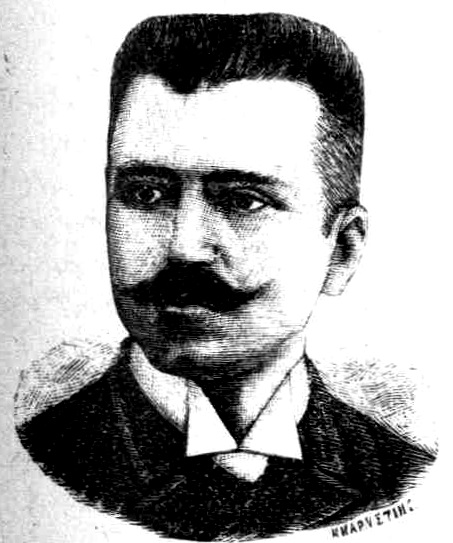
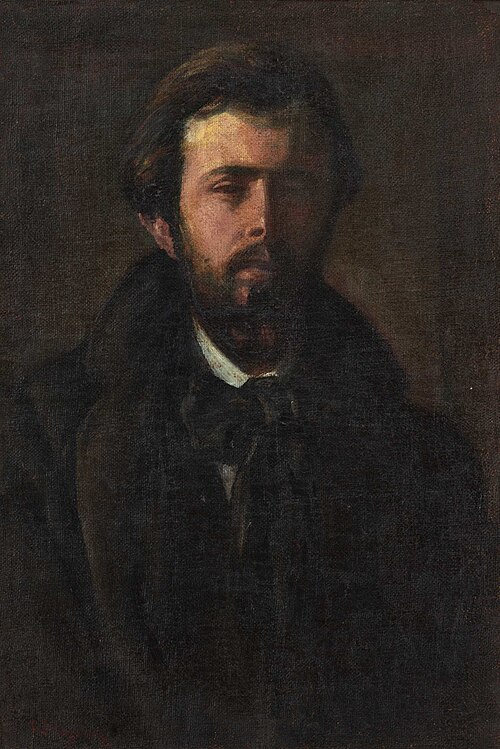
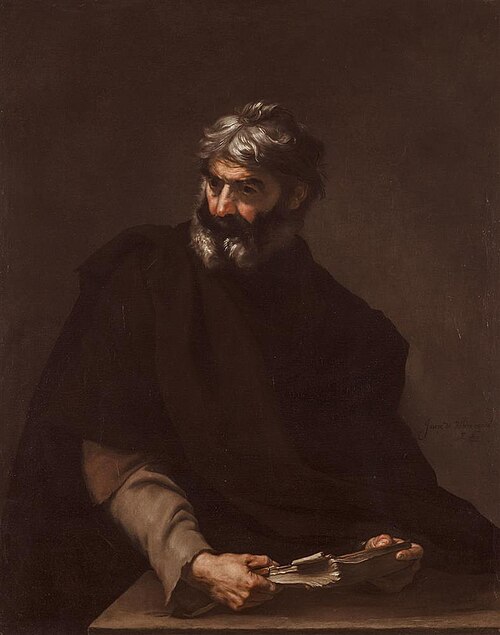
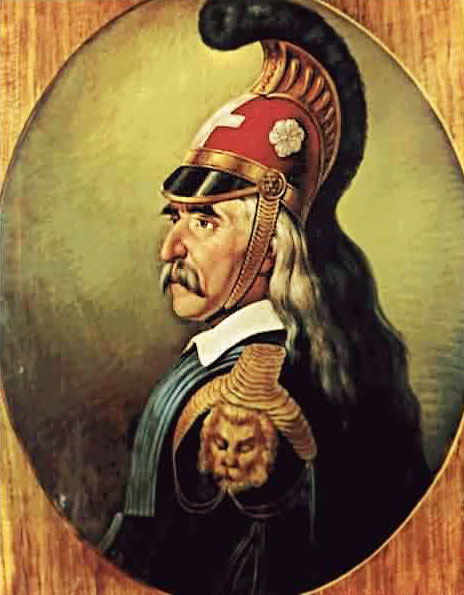
Theodoros Kolokotronis
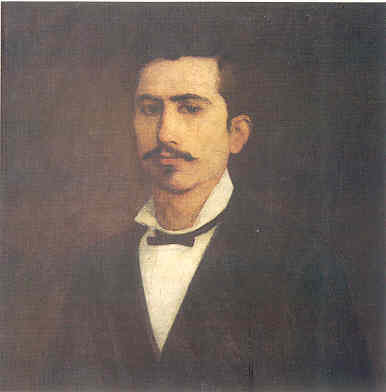
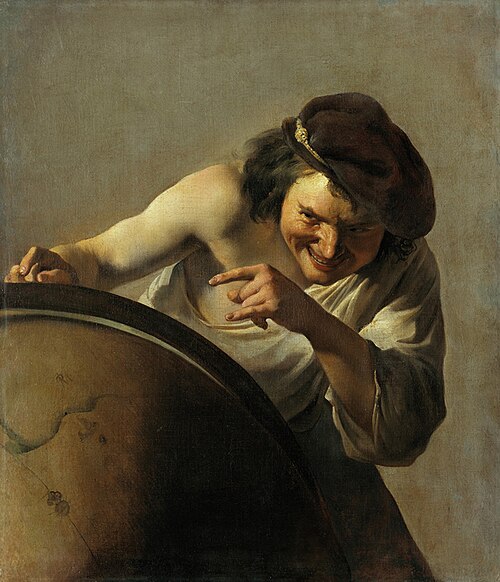
Dionysios Tsokos · Public domain · Wikimedia Commons

B1Modern Greece · General of 1821

Theodoros Kolokotronis

Θεόδωρος Κολοκοτρώνης

1770 – 1843 · Peloponnese; Nafplio; Athens

Theodoros Kolokotronis (Θεόδωρος Κολοκοτρώνης, 1770–1843), the Γέρος του Μοριά (Old Man of the Morea), was the military leader of the Greek War of Independence in the Peloponnese. A klepht from a family of mountain fighters, he took Tripolitsa in 1821 and destroyed an Ottoman army at Dervenakia in 1822, was jailed and sentenced to death by his own side, and dictated memoirs that are among the most vivid books in Modern Greek. His statue on horseback stands in the centre of Athens.

Life

Kolokotronis was born on 3 April 1770 at Ramovouni in Messenia, in the south-western Peloponnese, into a family of klephts, the armed outlaws of the Ottoman mountains, who had fought in the failed Orlov revolt that same year. His father Konstantinos was killed by Ottoman forces in 1780, when the boy was ten; he grew up with a gun in his hand and by his twenties was a klepht captain himself. In 1806 the Ottomans hunted down the klephts of the Peloponnese and he escaped to Zakynthos in the Ionian Islands, where he served as an officer in a Greek regiment of the British army and learned something of regular warfare. There, in 1818, he joined the Filiki Etaireia, the secret society planning the revolution.

In January 1821 he landed in the Mani, and when the revolt broke out in March he became the leader of the Peloponnesian irregulars. After the victories of 1821–22 he was made commander-in-chief, but the civil wars of 1824 set him against the government, and in 1825 he was imprisoned in a monastery on Hydra, released only because Ibrahim Pasha's Egyptian army had invaded the Peloponnese. He supported Kapodistrias, and after the governor's murder opposed the Bavarian regency of young King Otto; in 1834 he was tried for treason and sentenced to death. Two of the judges, Polyzoidis and Tertsetis, refused to sign the verdict. Otto pardoned him in 1835 and made him a general and counsellor of state. He died in Athens on 4 February 1843, after returning home from a ball at the palace.

Works

Kolokotronis won the War of Independence on land in its first two years. At Valtetsi in May 1821 his men repelled the Ottoman garrison of Tripolitsa, and on 23 September 1821 the town itself, the Ottoman capital of the Peloponnese, fell to the Greeks, followed by a massacre he could not or did not stop. The next summer an Ottoman army of some 25,000 under Dramali Pasha marched into the Peloponnese to crush the revolt; Kolokotronis let it advance, burned the plain of Argos behind it, and when it tried to withdraw through the mountain passes at Dervenakia on 26–28 July 1822 he destroyed it. The Peloponnese was never seriously threatened again until Ibrahim arrived in 1825. Against Ibrahim's disciplined Egyptian troops he fought a guerrilla war and answered the Greeks who were submitting to the invader with his famous «φωτιά και τσεκούρι στους προσκυνημένους» (fire and axe to those who have bowed).

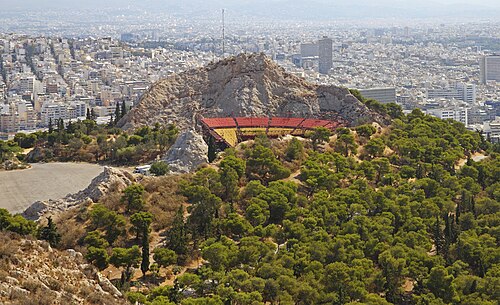
His other weapons were words. In 1836 he dictated his memoirs to Georgios Tertsetis, the judge who had refused to condemn him; published in 1846 as Διήγησις συμβάντων της ελληνικής φυλής (Narrative of Events of the Greek Race), they are the voice of an unschooled man of genius, blunt, funny and shrewd, and the best single account of 1821 from inside. On 8 October 1838 he spoke to the pupils of the Athens gymnasium on the Pnyx, the hill where the ancient assembly met, telling them how the revolution had begun without soldiers, money or arms, and urging them to learn, to stay united and to love their country. The speech, printed in a newspaper a month later, is read in Greek schools to this day.

Legacy in Greece today

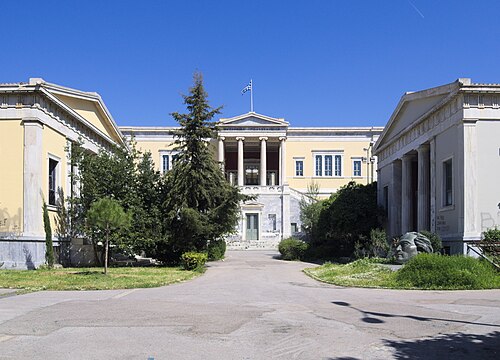
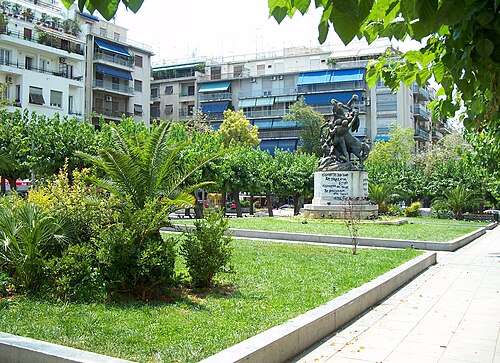
Every Greek knows his face: the bronze equestrian statue by Lazaros Sochos (1904) in front of the Old Parliament on Stadiou Street in Athens, with a copy in the main square of Nafplio, and the famous helmet from his years in British service, kept at the National Historical Museum in the Old Parliament building. He was on the 5,000-drachma note until the euro. Streets called Κολοκοτρώνη run through almost every town, and his Pnyx speech, with the opening «Εις τον τόπο τούτο, οπού εγώ πατώ σήμερα», is in the school anthologies alongside extracts from the memoirs, which a learner can read in the original on Greek Wikisource. On 25 March, Independence Day, schoolchildren still dress up as him, with the helmet and the white φουστανέλα. The nickname Γέρος του Μοριά needs no explanation to anyone in Greece.

Did you know?

  • He was sentenced to death by a Greek court in 1834, thirteen years after taking Tripolitsa; the two judges who refused to sign the sentence became national heroes themselves.
  • He could barely write; his memoirs were dictated to Georgios Tertsetis, one of those two judges, in 1836.
  • His famous helmet is not Greek at all: it is from the uniform of the Greek regiment he served in under the British in the Ionian Islands.
  • He died the night he came home from a ball at King Otto's palace, in February 1843.

Key works

Greek titleTitleYear
Μάχη του ΒαλτετσίουBattle of Valtetsi1821
Άλωση της ΤριπολιτσάςFall of Tripolitsa1821
Μάχη στα ΔερβενάκιαBattle of Dervenakia1822
Αντίσταση στον ΙμπραήμGuerrilla resistance to Ibrahim Pasha1825–1827
Λόγος στην ΠνύκαSpeech on the Pnyx to the students of Athens1838
Διήγησις συμβάντων της ελληνικής φυλήςNarrative of Events of the Greek Race (memoirs, dictated 1836)1846

A line to remember

Εις τον τόπο τούτο, οπού εγώ πατώ σήμερα, επατούσαν και εδημηγορούσαν τον παλαιό καιρό άνδρες σοφοί…

Eis ton topo touto, opou ego pato simera, epatousan kai edimigorousan ton palaio kairo andres sofoi…

On this spot where I stand today, in the old days wise men stood and spoke to the people…

Speech on the Pnyx, 8 October 1838 (opening words)

From the original

The text as Theodoros Kolokotronis wrote it, out of copyright, with our own translation beside it.

«Λόγος στην Πνύκα»Speech on the Pnyx

The opening of the speech the old general gave on the Pnyx hill in Athens on 8 October 1838 to the pupils of the city's gymnasium. He goes on to tell them the story of the War of Independence and to warn them against discord.

Παιδιά μου!My children!
Εις τον τόπο τούτο, οπού εγώ πατώ σήμερα, επατούσαν και εδημηγορούσαν τον παλαιό καιρό άνδρες σοφοί, και άνδρες με τους οποίους δεν είμαι άξιος να συγκριθώ και ούτε να φθάσω τα ίχνη των. Εγώ επιθυμούσα να σας ιδώ, παιδιά μου, εις την μεγάλη δόξα των προπατόρων μας, και έρχομαι να σας ειπώ, όσα εις τον καιρό του αγώνος και προ αυτού και ύστερα απ' αυτόν ο ίδιος επαρατήρησα, και απ' αυτά να κάμωμε συμπερασμούς και δια την μέλλουσαν ευτυχίαν σας, μολονότι ο Θεός μόνος ηξεύρει τα μέλλοντα. Και δια τους παλαιούς Έλληνας, οποίας γνώσεις είχαν και ποία δόξα και τιμήν έχαιραν κοντά εις τα άλλα έθνη του καιρού των, οποίους ήρωας, στρατηγούς, πολιτικούς είχαν, δια ταύτα σας λέγουν καθ' ημέραν οι διδάσκαλοί σας και οι πεπαιδευμένοι μας. Εγώ δεν είμαι αρκετός. Σας λέγω μόνον πως ήταν σοφοί, και από εδώ επήραν και εδανείσθησαν τα άλλα έθνη την σοφίαν των.On this spot where I stand today, in the old days wise men stood and spoke to the people, men with whom I am not worthy to be compared, nor even to follow in their footsteps. I wished to see you, my children, in the great glory of our forefathers, and I come to tell you what I myself observed in the time of the struggle, before it and after it, so that from these things we may draw conclusions for your future happiness too, although God alone knows what is to come. As for the ancient Greeks, what knowledge they had and what glory and honour they enjoyed beside the other nations of their time, what heroes, generals and statesmen they had, these things your teachers and our learned men tell you every day. I am not equal to it. I tell you only that they were wise, and that it was from here that the other nations took and borrowed their wisdom.

Speech to the pupils of the Athens gymnasium on the Pnyx, 8 October 1838, opening · Public-domain text, source: el.wikisource.org
B1

Read about Theodoros Kolokotronis in Greek (B1)

Words from the passage

  • family
  • mountain
  • war
  • I lead, I drive
  • army
  • prison
  • homeland
  • statue

Test yourself: 4 words from this page

1 / 4

What does this word mean?

Want to learn Greek?Start learning Greek
Others at level B1

Modern Greece · Poet and diplomatGiorgos Seferis1900 – 1971Modern Greece · PoetKostas Karyotakis1896 – 1928Modern Greece · NovelistStratis Myrivilis1890 – 1969Antiquity · TragedianSophoclesc. 497 BC – 406 BCAntiquity · Comic playwrightAristophanesc. 446 BC – c. 386 BCAntiquity · Mathematician and inventorArchimedesc. 287 BC – c. 212 BCAntiquity · PhysicianHippocratesc. 460 BC – c. 370 BCAntiquity · Mathematician and philosopherHypatiac. 355 – 415Modern Greece · PoetMaria Polydouri1902 – 1930Modern Greece · Novelist and playwrightGrigorios Xenopoulos1867 – 1951Modern Greece · Novelist, first IOC presidentDimitrios Vikelas1835 – 1908Modern Greece · Poet and seamanNikos Kavvadias1910 – 1975Modern Greece · NovelistAntonis Samarakis1919 – 2003Modern Greece · Rebetiko singer and bouzouki playerMarkos Vamvakaris1905 – 1972Modern Greece · Composer, bouzouki playerVassilis Tsitsanis1915 – 1984Modern Greece · PainterYannis Tsarouchis1910 – 1989Modern Greece · Officer, Macedonian StrugglePavlos Melas1870 – 1904Modern Greece · PoetAristotelis Valaoritis1824 – 1879Modern Greece · Novelist, journalistIoannis Kondylakis1861 – 1920Modern Greece · NovelistIlias Venezis1904 – 1973Modern Greece · Novelist, playwrightMargarita Liberaki1919 – 2001Modern Greece · NovelistVassilis Vassilikos1934 – 2023Modern Greece · PainterNikos Hadjikyriakos-Ghika1906 – 1994Modern Greece · Painter, writerFotis Kontoglou1895 – 1965Modern Greece · Folk singer, researcherDomna Samiou1928 – 2012Modern Greece · PoetKostas Krystallis1868 – 1894Modern Greece · NovelistMaria Iordanidou1897 – 1989Modern Greece · Humorist, screenwriterNikos Tsiforos1909 – 1970Modern Greece · ArchaeologistManolis Andronikos1919 – 1992Modern Greece · Resistance hero, politicianManolis Glezos1922 – 2020Modern Greece · Resistance heroineLela Karagianni1898 – 1944Modern Greece · ComposerApostolos Kaldaras1922 – 1990Modern Greece · AstronomerDimitrios Eginitis1862 – 1934Renaissance · Poet · empressAelia Eudociac. 400 – 460Modern Greece · Sculptor and visual artistAlex Mylona1920 – 2016Modern Greece · Documentary filmmakerAlinda Dimitriou1933 – 2013Modern Greece · Novelist · short-story writerAmanda Michalopoulou1966Antiquity · Philosopher of natureAnaxagorasc. 500 BC – 428 BCAntiquity · Philosopher of natureAnaximanderc. 610 BC – c. 546 BCAntiquity · Natural philosopherAnaximenes6th c. BCModern Greece · Folklorist and folk-art scholarAngeliki Chatzimichali1895 – 1965Modern Greece · Actress and theatre company founderAnna Synodinou1927 – 2016Modern Greece · Experimental filmmaker and visual artistAntoinetta Angelidi1950Modern Greece · Poet · Novelist · TranslatorAris Alexandrou1922 – 1978Antiquity · Mathematician and astronomerAristarchus of Samosc. 310 BC – c. 230 BCModern Greece · Actress, theatre organiser and writerAspasia Papathanassiou1918 – 2020Antiquity · Figure of classical AthensAspasia5th c. BCModern Greece · Poet and journalistAthina Papadaki1945Modern Greece · Filmmaker and producerAthina Rachel Tsangari1966Modern Greece · Visual artistBia Davou1932 – 1996Modern Greece · Poet and translatorChrysa Prokopaki1940Modern Greece · Visual artistChryssa Romanos1931 – 2006Modern Greece · Installation and land artistDanae Stratou1964Modern Greece · Choreographer and visual artistDimitris Papaioannou1964Antiquity · PhilosopherDemocritusc. 460 BC – c. 370 BCModern Greece · Film/theatre directorDimos Avdeliodis1952Modern Greece · Dance organiser · cultural heritageDora Stratou1903 – 1988Modern Greece · Painter and art teacherEleni Boukoura-Altamoura1821/1824 – 1900Modern Greece · Composer · film and theatreEleni Karaindrou1941Modern Greece · Poet and art criticEleni Vakalo1921 – 2001Modern Greece · Philologist · lexicographerEmmanuel Kriaras1906 – 2014Antiquity · Philosopher and poetEmpedoclesc. 490 BC – c. 430 BCAntiquity · Stoic philosopherEpictetusc. AD 55 – c. AD 135Antiquity · Mathematician and geographerEratosthenesc. 276 BC – c. 194 BCAntiquity · SculptorPheidiasModern Greece · Film director · writerFrida Liappa1948 – 1994Modern Greece · Novelist and poetGalatea Kazantzaki1881 – 1962Antiquity · Physician and medical writerGalenAD 129 – c. AD 216Modern Greece · Linguist and lexicographerGeorgios Babiniotis1939Modern Greece · Laïko singer · vocal teacherGiota NegkaModern Greece · Novelist · screenwriterIoanna Karystiani1952Renaissance · Byzantine empressIrene of Athensc. 752 – 803Modern Greece · Mezzo-soprano · PianistIrma Kolassi1918 – 2012Antiquity · Poet · ScholarCallimachusc. 305 BC – c. 240 BCRenaissance · Poet · hymnographerKassiani (Kassia)c. 800–810Modern Greece · Poet and translatorKaterina Anghelaki-Rooke1939 – 2020Modern Greece · Judge · former presidentKaterina Sakellaropoulou1956Antiquity · Queen of EgyptCleopatra VII69 BC – 30 BCModern Greece · Landscape painterKonstantinos Maleas1879 – 1928Antiquity · Lyric poetCorinnaModern Greece · Film director · screenwriterCosta-Gavras1933Modern Greece · Dance teacher and choreographerKoula Pratsika1899 – 1984Modern Greece · Visual and performance artistLeda Papakonstantinou1945Modern Greece · Writer and journalistLafcadio Hearn1850 – 1904Modern Greece · Novelist and historianLena Divani1955Modern Greece · Violinist · ConductorLeonidas Kavakos1967Modern Greece · Actress · director · theatre teacherLydia Koniordou1953Modern Greece · Poet and translatorManto Aravantinou1923/1926 – 1998Modern Greece · Singer · interpreter of poetryMaria Farantouri1947Modern Greece · Poet, prose writerMaria Kentrou-Agathopoulou1930Modern Greece · Poet and translatorMaria Kyrtzaki1948 – 2016Modern Greece · Sculptor and installation artistMaria Loizidou1958Modern Greece · Film director and editorMaria Plyta1915 – 2006Antiquity · Playwright · New ComedyMenanderc. 344–342 BC – c. 292–291 BCModern Greece · Fiction writer · TranslatorMenis Koumantareas1931 – 2014Modern Greece · Poet and painterNana Isaia1934 – 2003Modern Greece · Film directorNikos Koundouros1926 – 2017Modern Greece · Lyricist · Prose writerOdysseas Ioannou1967Antiquity · Philosopher and poetParmenidesc. 515 BCModern Greece · Novelist · crime fictionPetros Markaris1937Antiquity · Sophist and teacherProtagorasc. 490 BC – c. 420 BCModern Greece · Dancer, choreographer and teacherRallou Manou1915 – 1988Modern Greece · Visual artist and teacherRena Papaspyrou1938Modern Greece · Singer · composerSavina Yannatou1959Antiquity · Lyric poetSimonides of Ceosc. 556 BC – c. 468 BCModern Greece · PainterSofia Laskaridou1876 – 1965Modern Greece · Novelist, historian and translatorSoti Triantafyllou1957Modern Greece · Painter and church decoratorSpyros Papaloukas1892 – 1957Modern Greece · Filmmaker and actorStavros Tornes1932 – 1988Antiquity · Geographer and historianStraboc. 64 BC – c. AD 24Modern Greece · Singer · actressTania Tsanaklidou1952Modern Greece · Fiction writer · ScreenwriterThanasis Valtinos1932 – 2024Renaissance · Byzantine empressTheodorac. 500 – 548Modern Greece · Theatre director and teacherTheodoros Terzopoulos1945Antiquity · Philosopher and naturalistTheophrastusc. 371 BC – c. 287 BCModern Greece · Novelist and translatorTheodor Kallifatides1938Modern Greece · Poet · TranslatorTitos Patrikios1928Modern Greece · Film director · screenwriterTonia Marketaki1942 – 1994Modern Greece · Poet · TranslatorJenny Mastoraki1949 – 2024Antiquity · Philosopher of paradoxZeno of Eleac. 490 BCModern Greece · Dancer, choreographer and teacherZouzou Nikoloudi1917 – 2004

All personalities →