grecfacilegrecfacile
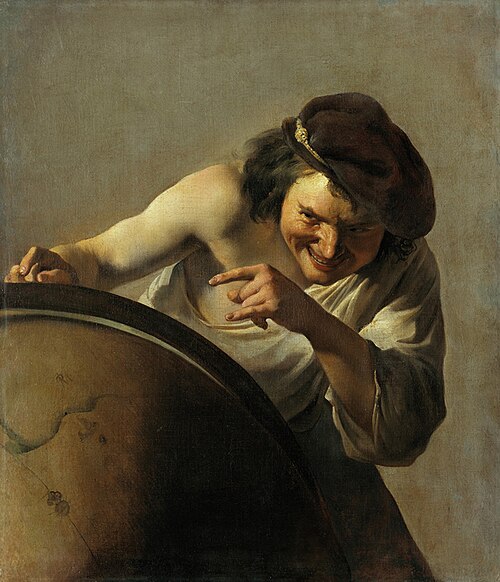
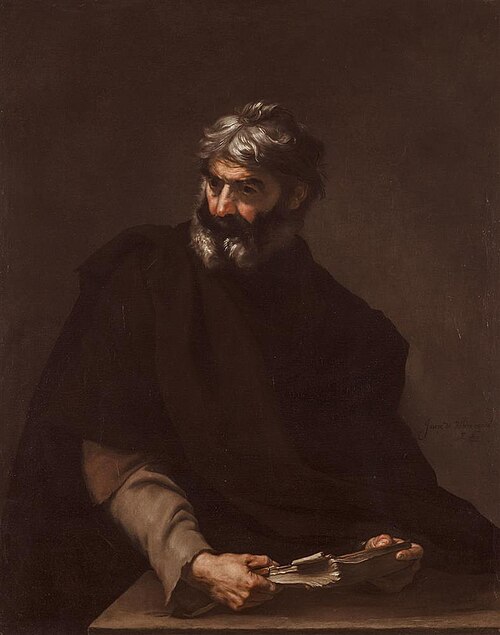
Archimedes
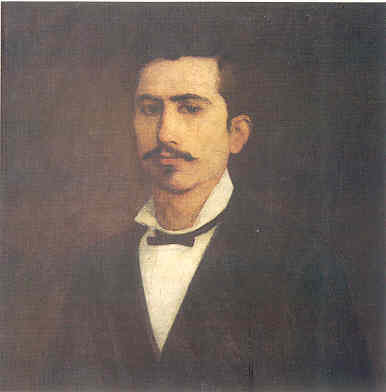
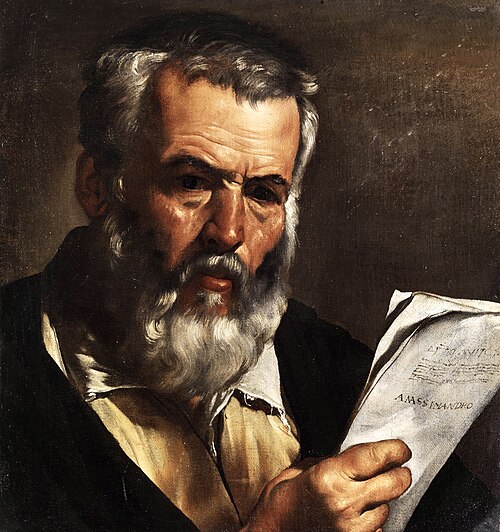
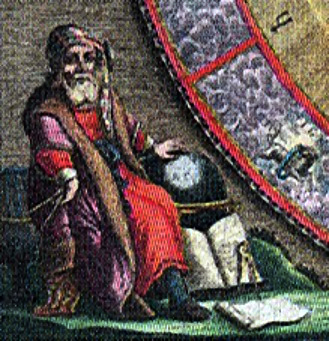
Domenico Fetti · Public domain · Wikimedia Commons

B1Antiquity · Mathematician and inventor

Archimedes

Αρχιμήδης

c. 287 BC – c. 212 BC · Syracuse, Sicily

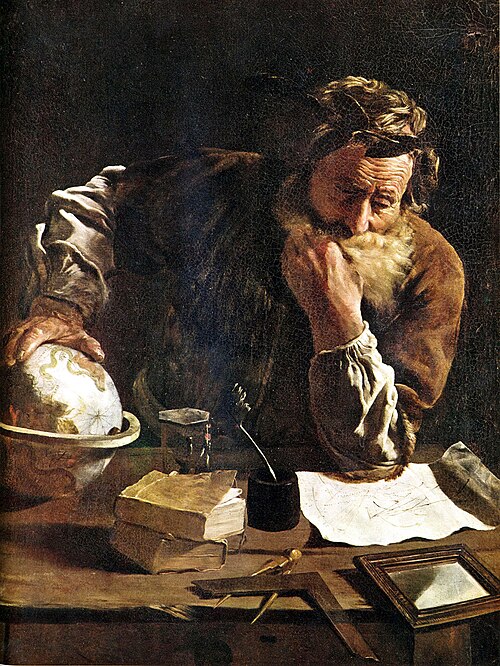
Archimedes (Αρχιμήδης, c. 287–212 BC) of Syracuse in Sicily was the greatest mathematician and engineer of the ancient world. He worked out the volume of a sphere, the law of the lever and the principle of buoyancy, built machines that held off a Roman army, and, according to the story everyone knows, ran naked from the bath shouting «Εύρηκα», I have found it. A Roman soldier killed him while he was studying a geometrical figure.

Life

Archimedes was born around 287 BC in Syracuse, the richest Greek city of Sicily, the son of an astronomer named Phidias. He seems to have spent some time in Alexandria, the scientific capital of the age, and all his life he kept up a correspondence with the mathematicians there, Conon of Samos, Dositheus and Eratosthenes, to whom he sent his discoveries as letters. He was related to, or at least a close friend of, King Hieron II of Syracuse, and the king's practical problems, a suspect gold crown, a giant ship, the defence of the city, gave rise to many of the famous stories.

Plutarch, who describes him in his life of the Roman general Marcellus, says that Archimedes cared only for pure mathematics and considered his machines beneath him, yet those machines made him legendary. When the Romans besieged Syracuse in 214 BC during the Second Punic War, his catapults, cranes and «claws» that lifted ships out of the water kept the fleet at bay for two years, so that the Roman soldiers, Plutarch says, fled whenever a rope or beam appeared over the walls.

Syracuse fell in 212 BC. Marcellus had ordered that Archimedes be spared, but a soldier found the old man absorbed in a diagram and killed him; tradition gives him the last words «do not disturb my circles». On his tomb, at his own wish, was carved a sphere inside a cylinder, the discovery he was proudest of. Cicero found the neglected grave outside Syracuse in 75 BC.

Works

Archimedes' treatises survive, and they are real mathematics, not anecdotes. In Περί σφαίρας και κυλίνδρου (On the Sphere and Cylinder) he proved that a sphere has two thirds of the volume and surface of the cylinder that encloses it. In Κύκλου μέτρησις (Measurement of a Circle) he squeezed the value of π between 3 10/71 and 3 1/7 by drawing polygons of 96 sides inside and outside a circle. In Περί επιπέδων ισορροπιών (On the Equilibrium of Planes) he gave the law of the lever and the idea of the centre of gravity, and in Περί οχουμένων (On Floating Bodies) the principle that still bears his name: a body in a liquid is pushed up by a force equal to the weight of the liquid it displaces.

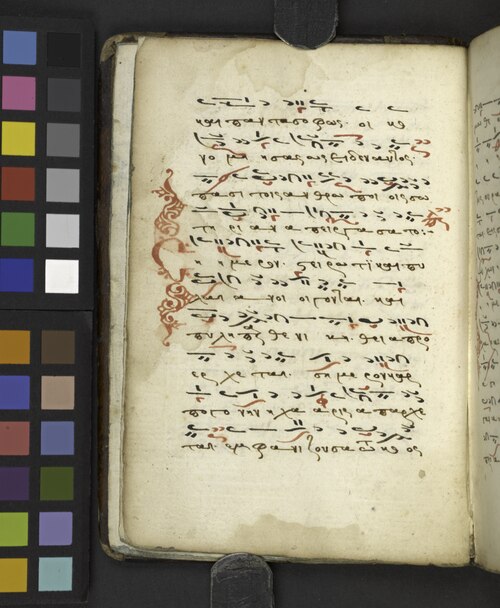
Ψαμμίτης (The Sand Reckoner), addressed to the king's son Gelon, invents a way of writing enormous numbers in order to count the grains of sand that would fill the universe. The most remarkable text is the Έφοδος (The Method), lost for centuries and found in 1906 by the Danish scholar Heiberg underneath the prayers of a medieval parchment in Constantinople: there Archimedes explains how he first guessed his results by imagining figures balanced on a lever. The inventions, the water-raising screw still called the Archimedean screw, the war machines and the burning mirrors of later legend, come to us only through other writers, as does the Eureka story told by Vitruvius: asked whether Hieron's crown was pure gold, he noticed in the bath that his body displaced water, and had his answer.

Legacy in Greece today

Every Greek pupil meets Archimedes twice: in mathematics, with the circle and π, and in physics, where «η αρχή του Αρχιμήδη» (Archimedes' principle) explains why ships float, and the law of the lever is taught with his boast about moving the Earth. The exclamation «Εύρηκα!» is used in Greek, and in most languages, whenever someone solves a problem, and «μη μου τους κύκλους τάραττε» is quoted, with a smile, by anyone who wants to be left in peace. The Archimedes palimpsest, bought at auction in 1998 and read with X-rays in Baltimore, has been published online. In Syracuse a tourist can visit the Tecnoparco Archimede, with working models of his machines; in Greece streets and schools carry his name, and the Archimedes Research Centre at Athens honours him in the sciences.

Did you know?

  • The Archimedes palimpsest, a tenth-century copy of his works scraped off and overwritten with prayers in the thirteenth century, was sold at Christie's in 1998 for two million dollars and deciphered with X-ray imaging.
  • His estimate of π, between 3 10/71 and 3 1/7, was the most accurate in the world for several centuries.
  • Plutarch says he was so absorbed in geometry that he drew figures in the ashes of the fire and on his own oiled skin after the bath.
  • Cicero found his forgotten tomb near Syracuse in 75 BC by looking for the sphere and cylinder carved on it.

Key works

Greek titleTitleYear
Περί επιπέδων ισορροπιώνOn the Equilibrium of Planes (the law of the lever)3rd century BC
Κύκλου μέτρησιςMeasurement of a Circle (the value of π)3rd century BC
Περί σφαίρας και κυλίνδρουOn the Sphere and Cylinder3rd century BC
Περί οχουμένωνOn Floating Bodies (Archimedes' principle)3rd century BC
ΨαμμίτηςThe Sand Reckonerc. 216 BC
Έφοδος (Μέθοδος)The Method (the palimpsest)3rd century BC

A line to remember

Δῶς μοι πᾶ στῶ καὶ τὰν γᾶν κινάσω.

In today's GreekΔώσε μου ένα μέρος να σταθώ και θα κινήσω τη Γη.

Dos moi pa sto kai tan gan kinaso.

Give me a place to stand and I will move the Earth.

Reported by Pappus of Alexandria, Synagoge VIII (4th century AD), in Doric Greek

From the original

The text as Archimedes wrote it, out of copyright, with our own translation beside it.

«Ψαμμίτης»The Sand Reckoner

The Sand Reckoner, addressed to Gelon of Syracuse, sets out to count the grains of sand that would fill the universe. Here, in Archimedes' Doric Greek, its opening, and the passage that is our main witness to Aristarchus' heliocentric hypothesis.

Οἴονταί τινες, βασιλεῦ Γέλων, τοῦ ψάμμου τὸν ἀριθμὸν ἄπειρον εἶμεν τῷ πλήθει· λέγω δὲ οὐ μόνον τοῦ περὶ Συρακούσας τε καὶ τὰν ἄλλαν Σικελίαν ὑπάρχοντος, ἀλλὰ καὶ τοῦ κατὰ πᾶσαν χώραν τάν τε οἰκημέναν καὶ τὰν ἀοίκητον. Ἐντί τινες δέ, οἳ αὐτὸν ἄπειρον μὲν εἶμεν οὐχ ὑπολαμβάνοντι, μηδένα μέντοι ταλικοῦτον κατωνομασμένον ὑπάρχειν ἀριθμόν, ὅστις ὑπερβάλλει τὸ πλῆθος αὐτοῦ. Οἱ δὲ οὕτως δοξάζοντες δῆλον ὡς, εἰ νοήσαιεν ἐκ τοῦ ψάμμου ταλικοῦτον ὄγκον συγκείμενον τὸ μέγεθος, ἁλίκος ὁ τᾶς γᾶς ὄγκος ἀναπεπληρωμένων ἐν αὐτῷ τῶν τε πελάγεων πάντων καὶ τῶν κοιλωμάτων τᾶς γᾶς εἰς ἴσον ὕψος τοῖς ὑψηλοτάτοις τῶν ὀρέων, πολλαπλασίως μὴ γνώσονται μηδένα κα ῥηθῆμεν ἀριθμὸν ὑπερβάλλοντα τὸ πλῆθος αὐτοῦ.There are some, King Gelon, who think that the number of the sand is infinite in multitude; and I mean not only the sand around Syracuse and the rest of Sicily, but also that in every region, inhabited or uninhabited. There are others who do not suppose it to be infinite, but think that no number has been named which is large enough to exceed its multitude. And it is clear that those who hold this view, if they imagined a mass of sand as large as the mass of the earth, with all the seas and the hollows of the earth filled up to the height of the highest mountains, would be many times further from recognising that any number could be named which exceeds the multitude of that sand.
[…] Ἀρίσταρχος δὲ ὁ Σάμιος ὑποθέσιών τινων ἐξέδωκεν γραφάς, ἐν αἷς ἐκ τῶν ὑποκειμένων συμβαίνει τὸν κόσμον πολλαπλάσιον εἶμεν τοῦ νῦν εἰρημένου. Ὑποτίθεται γὰρ τὰ μὲν ἀπλανέα τῶν ἄστρων καὶ τὸν ἅλιον μένειν ἀκίνητον, τὰν δὲ γᾶν περιφέρεσθαι περὶ τὸν ἅλιον κατὰ κύκλου περιφέρειαν, ὅς ἐστιν ἐν μέσῳ τῷ δρόμῳ κείμενος, τὰν δὲ τῶν ἀπλανέων ἄστρων σφαῖραν περὶ τὸ αὐτὸ κέντρον τῷ ἁλίῳ κειμέναν τῷ μεγέθει τηλικαύταν εἶμεν, ὥστε τὸν κύκλον, καθʼ ὃν τὰν γᾶν ὑποτίθεται περιφέρεσθαι, τοιαύταν ἔχειν ἀναλογίαν ποτὶ τὰν τῶν ἀπλανέων ἀποστασίαν, οἵαν ἔχει τὸ κέντρον τᾶς σφαίρας ποτὶ τὰν ἐπιφάνειαν.… But Aristarchus of Samos published a book of certain hypotheses, in which it follows from the premises that the universe is many times larger than the one just mentioned. For he supposes that the fixed stars and the sun remain motionless, that the earth revolves around the sun along the circumference of a circle, the sun lying in the middle of its course, and that the sphere of the fixed stars, situated about the same centre as the sun, is so great that the circle in which he supposes the earth to revolve bears the same ratio to the distance of the fixed stars as the centre of a sphere bears to its surface.

Ψαμμίτης 1.1 and 1.4–5 (c. 216 BC), in Heiberg's edition; one sentence omitted between the two passages · Public-domain text, source: scaife.perseus.org
B1

Read about Archimedes in Greek (B1)

Words from the passage

  • mathematician
  • I study
  • law
  • crown
  • pure, clean
  • answer
  • soldier
  • solution

Test yourself: 4 words from this page

1 / 4

What does this word mean?

Want to learn Greek?Start learning Greek
Others at level B1

Modern Greece · Poet and diplomatGiorgos Seferis1900 – 1971Modern Greece · PoetKostas Karyotakis1896 – 1928Modern Greece · NovelistStratis Myrivilis1890 – 1969Antiquity · TragedianSophoclesc. 497 BC – 406 BCAntiquity · Comic playwrightAristophanesc. 446 BC – c. 386 BCAntiquity · PhysicianHippocratesc. 460 BC – c. 370 BCAntiquity · Mathematician and philosopherHypatiac. 355 – 415Modern Greece · General of 1821Theodoros Kolokotronis1770 – 1843Modern Greece · PoetMaria Polydouri1902 – 1930Modern Greece · Novelist and playwrightGrigorios Xenopoulos1867 – 1951Modern Greece · Novelist, first IOC presidentDimitrios Vikelas1835 – 1908Modern Greece · Poet and seamanNikos Kavvadias1910 – 1975Modern Greece · NovelistAntonis Samarakis1919 – 2003Modern Greece · Rebetiko singer and bouzouki playerMarkos Vamvakaris1905 – 1972Modern Greece · Composer, bouzouki playerVassilis Tsitsanis1915 – 1984Modern Greece · PainterYannis Tsarouchis1910 – 1989Modern Greece · Officer, Macedonian StrugglePavlos Melas1870 – 1904Modern Greece · PoetAristotelis Valaoritis1824 – 1879Modern Greece · Novelist, journalistIoannis Kondylakis1861 – 1920Modern Greece · NovelistIlias Venezis1904 – 1973Modern Greece · Novelist, playwrightMargarita Liberaki1919 – 2001Modern Greece · NovelistVassilis Vassilikos1934 – 2023Modern Greece · PainterNikos Hadjikyriakos-Ghika1906 – 1994Modern Greece · Painter, writerFotis Kontoglou1895 – 1965Modern Greece · Folk singer, researcherDomna Samiou1928 – 2012Modern Greece · PoetKostas Krystallis1868 – 1894Modern Greece · NovelistMaria Iordanidou1897 – 1989Modern Greece · Humorist, screenwriterNikos Tsiforos1909 – 1970Modern Greece · ArchaeologistManolis Andronikos1919 – 1992Modern Greece · Resistance hero, politicianManolis Glezos1922 – 2020Modern Greece · Resistance heroineLela Karagianni1898 – 1944Modern Greece · ComposerApostolos Kaldaras1922 – 1990Modern Greece · AstronomerDimitrios Eginitis1862 – 1934Renaissance · Poet · empressAelia Eudociac. 400 – 460Modern Greece · Sculptor and visual artistAlex Mylona1920 – 2016Modern Greece · Documentary filmmakerAlinda Dimitriou1933 – 2013Modern Greece · Novelist · short-story writerAmanda Michalopoulou1966Antiquity · Philosopher of natureAnaxagorasc. 500 BC – 428 BCAntiquity · Philosopher of natureAnaximanderc. 610 BC – c. 546 BCAntiquity · Natural philosopherAnaximenes6th c. BCModern Greece · Folklorist and folk-art scholarAngeliki Chatzimichali1895 – 1965Modern Greece · Actress and theatre company founderAnna Synodinou1927 – 2016Modern Greece · Experimental filmmaker and visual artistAntoinetta Angelidi1950Modern Greece · Poet · Novelist · TranslatorAris Alexandrou1922 – 1978Antiquity · Mathematician and astronomerAristarchus of Samosc. 310 BC – c. 230 BCModern Greece · Actress, theatre organiser and writerAspasia Papathanassiou1918 – 2020Antiquity · Figure of classical AthensAspasia5th c. BCModern Greece · Poet and journalistAthina Papadaki1945Modern Greece · Filmmaker and producerAthina Rachel Tsangari1966Modern Greece · Visual artistBia Davou1932 – 1996Modern Greece · Poet and translatorChrysa Prokopaki1940Modern Greece · Visual artistChryssa Romanos1931 – 2006Modern Greece · Installation and land artistDanae Stratou1964Modern Greece · Choreographer and visual artistDimitris Papaioannou1964Antiquity · PhilosopherDemocritusc. 460 BC – c. 370 BCModern Greece · Film/theatre directorDimos Avdeliodis1952Modern Greece · Dance organiser · cultural heritageDora Stratou1903 – 1988Modern Greece · Painter and art teacherEleni Boukoura-Altamoura1821/1824 – 1900Modern Greece · Composer · film and theatreEleni Karaindrou1941Modern Greece · Poet and art criticEleni Vakalo1921 – 2001Modern Greece · Philologist · lexicographerEmmanuel Kriaras1906 – 2014Antiquity · Philosopher and poetEmpedoclesc. 490 BC – c. 430 BCAntiquity · Stoic philosopherEpictetusc. AD 55 – c. AD 135Antiquity · Mathematician and geographerEratosthenesc. 276 BC – c. 194 BCAntiquity · SculptorPheidiasModern Greece · Film director · writerFrida Liappa1948 – 1994Modern Greece · Novelist and poetGalatea Kazantzaki1881 – 1962Antiquity · Physician and medical writerGalenAD 129 – c. AD 216Modern Greece · Linguist and lexicographerGeorgios Babiniotis1939Modern Greece · Laïko singer · vocal teacherGiota NegkaModern Greece · Novelist · screenwriterIoanna Karystiani1952Renaissance · Byzantine empressIrene of Athensc. 752 – 803Modern Greece · Mezzo-soprano · PianistIrma Kolassi1918 – 2012Antiquity · Poet · ScholarCallimachusc. 305 BC – c. 240 BCRenaissance · Poet · hymnographerKassiani (Kassia)c. 800–810Modern Greece · Poet and translatorKaterina Anghelaki-Rooke1939 – 2020Modern Greece · Judge · former presidentKaterina Sakellaropoulou1956Antiquity · Queen of EgyptCleopatra VII69 BC – 30 BCModern Greece · Landscape painterKonstantinos Maleas1879 – 1928Antiquity · Lyric poetCorinnaModern Greece · Film director · screenwriterCosta-Gavras1933Modern Greece · Dance teacher and choreographerKoula Pratsika1899 – 1984Modern Greece · Visual and performance artistLeda Papakonstantinou1945Modern Greece · Writer and journalistLafcadio Hearn1850 – 1904Modern Greece · Novelist and historianLena Divani1955Modern Greece · Violinist · ConductorLeonidas Kavakos1967Modern Greece · Actress · director · theatre teacherLydia Koniordou1953Modern Greece · Poet and translatorManto Aravantinou1923/1926 – 1998Modern Greece · Singer · interpreter of poetryMaria Farantouri1947Modern Greece · Poet, prose writerMaria Kentrou-Agathopoulou1930Modern Greece · Poet and translatorMaria Kyrtzaki1948 – 2016Modern Greece · Sculptor and installation artistMaria Loizidou1958Modern Greece · Film director and editorMaria Plyta1915 – 2006Antiquity · Playwright · New ComedyMenanderc. 344–342 BC – c. 292–291 BCModern Greece · Fiction writer · TranslatorMenis Koumantareas1931 – 2014Modern Greece · Poet and painterNana Isaia1934 – 2003Modern Greece · Film directorNikos Koundouros1926 – 2017Modern Greece · Lyricist · Prose writerOdysseas Ioannou1967Antiquity · Philosopher and poetParmenidesc. 515 BCModern Greece · Novelist · crime fictionPetros Markaris1937Antiquity · Sophist and teacherProtagorasc. 490 BC – c. 420 BCModern Greece · Dancer, choreographer and teacherRallou Manou1915 – 1988Modern Greece · Visual artist and teacherRena Papaspyrou1938Modern Greece · Singer · composerSavina Yannatou1959Antiquity · Lyric poetSimonides of Ceosc. 556 BC – c. 468 BCModern Greece · PainterSofia Laskaridou1876 – 1965Modern Greece · Novelist, historian and translatorSoti Triantafyllou1957Modern Greece · Painter and church decoratorSpyros Papaloukas1892 – 1957Modern Greece · Filmmaker and actorStavros Tornes1932 – 1988Antiquity · Geographer and historianStraboc. 64 BC – c. AD 24Modern Greece · Singer · actressTania Tsanaklidou1952Modern Greece · Fiction writer · ScreenwriterThanasis Valtinos1932 – 2024Renaissance · Byzantine empressTheodorac. 500 – 548Modern Greece · Theatre director and teacherTheodoros Terzopoulos1945Antiquity · Philosopher and naturalistTheophrastusc. 371 BC – c. 287 BCModern Greece · Novelist and translatorTheodor Kallifatides1938Modern Greece · Poet · TranslatorTitos Patrikios1928Modern Greece · Film director · screenwriterTonia Marketaki1942 – 1994Modern Greece · Poet · TranslatorJenny Mastoraki1949 – 2024Antiquity · Philosopher of paradoxZeno of Eleac. 490 BCModern Greece · Dancer, choreographer and teacherZouzou Nikoloudi1917 – 2004

All personalities →