grecfacilegrecfacile
Hypatia
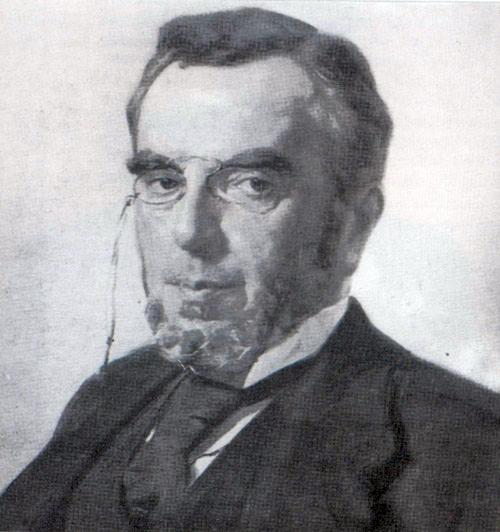
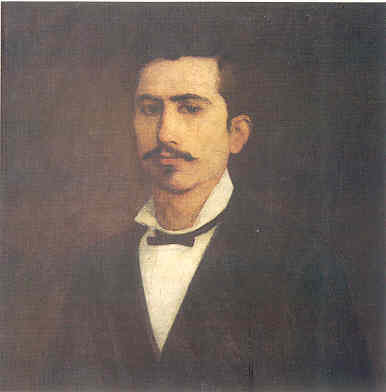
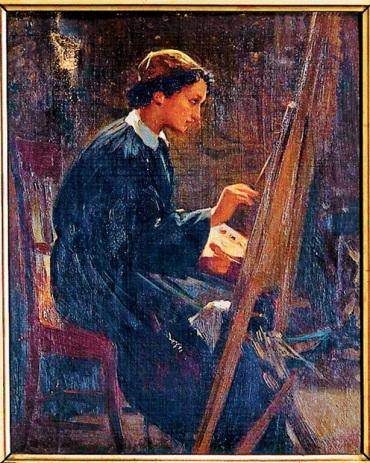
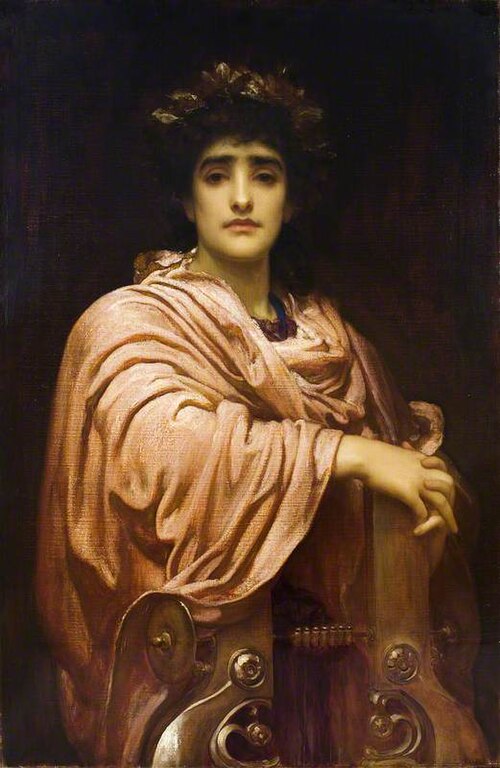
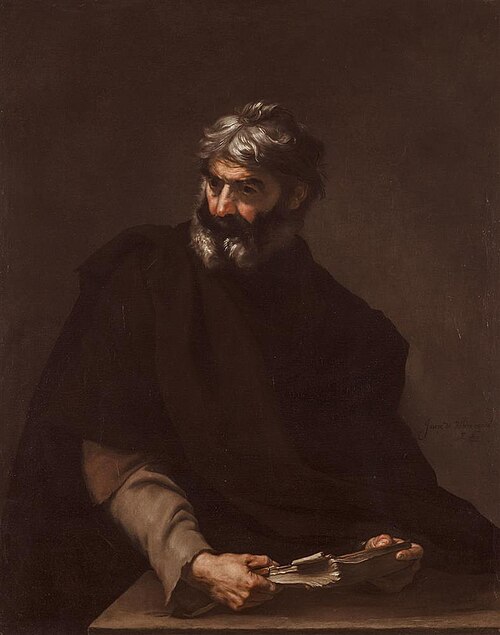
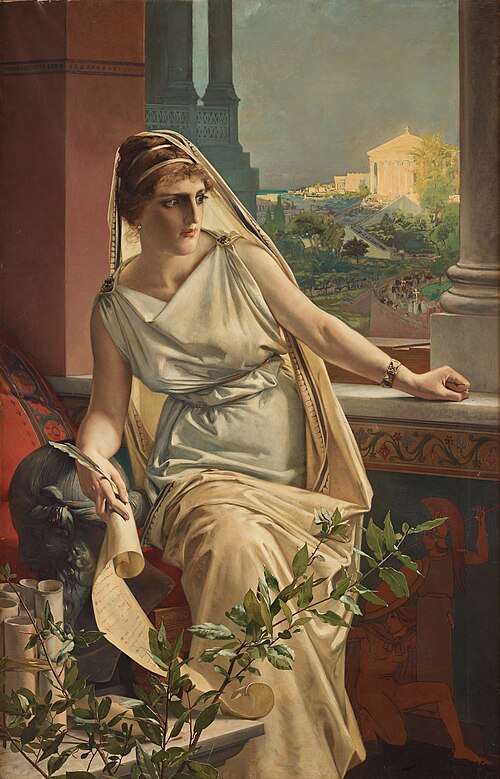
Julius Kronberg · Public domain · Wikimedia Commons

B1Antiquity · Mathematician and philosopher

Hypatia

Υπατία

c. 355 – 415 · Alexandria

Hypatia, Υπατία (Ypatia) in Greek, was born in Alexandria around 355 AD and died there in March 415. The daughter of the mathematician Theon, she taught philosophy, mathematics and astronomy to students who came from across the eastern Roman Empire, and she is the first woman mathematician whose life we know in any detail. Her murder by a Christian mob made her, for later centuries, the symbol of reason destroyed by fanaticism.

Life

Hypatia's father, Theon of Alexandria, was a mathematician and astronomer attached to the Museum, the ancient research institution founded by the Ptolemies; he is the last member of it we know by name. He taught his daughter, and she soon surpassed him. By the 390s she was giving public lectures in Alexandria on Plato, Aristotle and the Neoplatonist philosophers, and private lessons to a circle of devoted students. One of them, Synesius of Cyrene, later a Christian bishop, wrote her letters that survive; he calls her «mother, sister, teacher» and asks her advice on building a hydrometer and an astrolabe.

She never married and, according to the sources, lived with a dignity that won her the respect of the city's leading men, pagan and Christian alike. That respect became dangerous when Alexandria split between the imperial prefect Orestes, who consulted her, and the new bishop Cyril, who was fighting Orestes for control of the city. Rumours spread that Hypatia was the obstacle to peace between the two men.

In March 415, during Lent, a crowd led by a church lector named Peter pulled her from her carriage, dragged her into the Caesareum, a former temple turned church, stripped her and killed her with broken roof tiles, then burned her body. The church historian Socrates Scholasticus, writing a generation later and himself a Christian, recorded the crime with disgust, saying that nothing could be further from the spirit of Christianity than such murders.

Works

Not one line of Hypatia's own writing survives, but the tenth-century encyclopaedia called the Suda lists what she wrote: a commentary on the Arithmetica of Diophantus, the founder of algebra, a commentary on the Conics of Apollonius of Perga, the geometry of ellipses, parabolas and hyperbolas, and an «astronomical canon», tables of the kind used to predict the positions of the planets. Her father's edition of the third book of Ptolemy's Almagest, the standard textbook of astronomy for 1,400 years, carries a note that it was revised by «my daughter Hypatia the philosopher». Some scholars think that the surviving Greek text of Diophantus owes its form to her lessons.

As a philosopher she belonged to the Neoplatonist tradition of Plotinus, which taught that the soul rises through mathematics and contemplation towards a single divine source; mathematics for her was not a trade but a path. Synesius' letters show the practical side: she helped him design an astrolabe, the instrument for measuring the height of stars, and a device for measuring the density of liquids.

Her teaching, not her books, was her real work. In a city where pagan temples had been closed in 391 and religious violence was common, her school took Christians and pagans alike and stayed out of the quarrels of the churches. That independence, more than any doctrine, is what made her famous and what killed her.

Legacy in Greece today

Hypatia has been re-imagined by every age: by Enlightenment writers as a martyr of reason, by Charles Kingsley in his novel Hypatia (1853), by the painters of the nineteenth century, and by the film Agora (2009), in which Rachel Weisz plays her in a reconstructed Alexandria. A crater on the Moon and the asteroid 238 Hypatia carry her name. In Greece Υπατία is a girl's name that families still give, often with her story in mind, and she appears in school discussions of the end of the ancient world and of women in science. The best way to meet her is through the Greek sources, which are short: the chapter of Socrates Scholasticus' Ecclesiastical History (7.15) that describes her death, and the letters of Synesius, a learner's window on a real friendship between a bishop and a pagan teacher.

Did you know?

  • Her student Synesius became a Christian bishop and still wrote to her as his teacher, asking her help to build a hydrometer.
  • The main account of her murder comes from a Christian church historian, Socrates Scholasticus, who condemned it in the strongest terms.
  • Her father Theon is the last person known to have belonged to the Museum of Alexandria, the research institution of the Ptolemies.
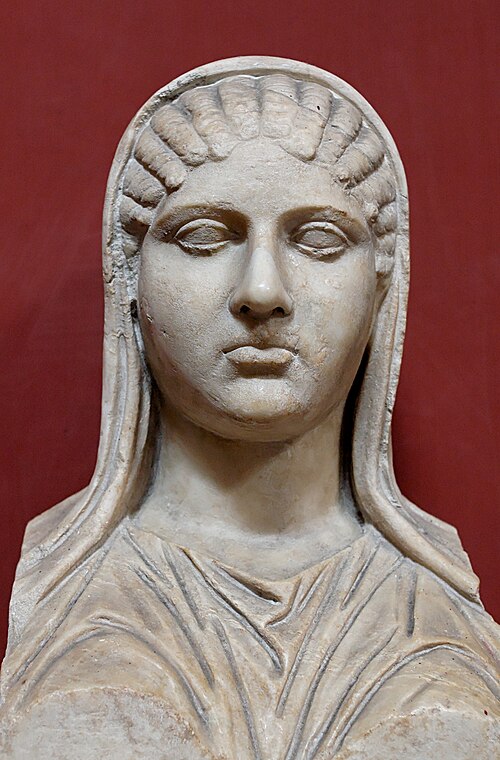
  • Every famous portrait of her, from the nineteenth-century paintings to the film Agora, is imaginary; no ancient image of her exists.

Key works

Greek titleTitleYear
Έκδοση του τρίτου βιβλίου της Μαθηματικής Σύνταξης του Πτολεμαίου (με τον Θέωνα)Revision of Book III of Ptolemy's Almagest (with Theon)c. 380s
Υπόμνημα στα Αριθμητικά του ΔιόφαντουCommentary on Diophantus' Arithmetica (lost)
Υπόμνημα στα Κωνικά του ΑπολλώνιουCommentary on Apollonius' Conics (lost)
Αστρονομικός ΚανώνAstronomical Canon (lost)
Ο αστρολάβος του ΣυνέσιουThe astrolabe designed with Synesiusc. 400

A line to remember

Ἦν τις γυνὴ ἐν τῇ Ἀλεξανδρείᾳ τοὔνομα Ὑπατία· […] ἐπὶ τοσοῦτον δὲ προὔβη παιδείας, ὡς ὑπερακοντίσαι τοὺς κατ' αὐτὴν φιλοσόφους.

In today's GreekΥπήρχε στην Αλεξάνδρεια μια γυναίκα με το όνομα Υπατία· έφτασε σε τέτοιο ύψος μόρφωσης, ώστε ξεπέρασε όλους τους φιλοσόφους της εποχής της.

In tis gyni en ti Alexandreia tounoma Ypatia; epi tosouton de prouvi paideias, os yperakontisai tous kat' aftin filosofous.

There was a woman in Alexandria named Hypatia; she advanced so far in learning that she surpassed all the philosophers of her time.
Socrates Scholasticus, Ecclesiastical History 7.15 (c. 440), about her
B1

Read about Hypatia in Greek (B1)

Words from the passage

  • mathematician
  • teacher (female)
  • I teach
  • empire
  • I help
  • bishop
  • enemy
  • crowd

Test yourself: 4 words from this page

1 / 4

What does this word mean?

Want to learn Greek?Start learning Greek

Others at level B1

Modern Greece · Poet and diplomatGiorgos Seferis1900 – 1971Modern Greece · PoetKostas Karyotakis1896 – 1928Modern Greece · NovelistStratis Myrivilis1890 – 1969Antiquity · TragedianSophoclesc. 497 BC – 406 BCAntiquity · Comic playwrightAristophanesc. 446 BC – c. 386 BCAntiquity · Mathematician and inventorArchimedesc. 287 BC – c. 212 BCAntiquity · PhysicianHippocratesc. 460 BC – c. 370 BCModern Greece · General of 1821Theodoros Kolokotronis1770 – 1843Modern Greece · PoetMaria Polydouri1902 – 1930Modern Greece · Novelist and playwrightGrigorios Xenopoulos1867 – 1951Modern Greece · Novelist, first IOC presidentDimitrios Vikelas1835 – 1908Modern Greece · Poet and seamanNikos Kavvadias1910 – 1975Modern Greece · NovelistAntonis Samarakis1919 – 2003Modern Greece · Rebetiko singer and bouzouki playerMarkos Vamvakaris1905 – 1972Modern Greece · Composer, bouzouki playerVassilis Tsitsanis1915 – 1984Modern Greece · PainterYannis Tsarouchis1910 – 1989Modern Greece · Officer, Macedonian StrugglePavlos Melas1870 – 1904Modern Greece · PoetAristotelis Valaoritis1824 – 1879Modern Greece · Novelist, journalistIoannis Kondylakis1861 – 1920Modern Greece · NovelistIlias Venezis1904 – 1973Modern Greece · Novelist, playwrightMargarita Liberaki1919 – 2001Modern Greece · NovelistVassilis Vassilikos1934 – 2023Modern Greece · PainterNikos Hadjikyriakos-Ghika1906 – 1994Modern Greece · Painter, writerFotis Kontoglou1895 – 1965Modern Greece · Folk singer, researcherDomna Samiou1928 – 2012Modern Greece · PoetKostas Krystallis1868 – 1894Modern Greece · NovelistMaria Iordanidou1897 – 1989Modern Greece · Humorist, screenwriterNikos Tsiforos1909 – 1970Modern Greece · ArchaeologistManolis Andronikos1919 – 1992Modern Greece · Resistance hero, politicianManolis Glezos1922 – 2020Modern Greece · Resistance heroineLela Karagianni1898 – 1944Modern Greece · ComposerApostolos Kaldaras1922 – 1990Modern Greece · AstronomerDimitrios Eginitis1862 – 1934Renaissance · Poet · empressAelia Eudociac. 400 – 460Modern Greece · Sculptor and visual artistAlex Mylona1920 – 2016Modern Greece · Documentary filmmakerAlinda Dimitriou1933 – 2013Modern Greece · Novelist · short-story writerAmanda Michalopoulou1966Antiquity · Philosopher of natureAnaxagorasc. 500 BC – 428 BCAntiquity · Philosopher of natureAnaximanderc. 610 BC – c. 546 BCAntiquity · Natural philosopherAnaximenes6th c. BCModern Greece · Folklorist and folk-art scholarAngeliki Chatzimichali1895 – 1965Modern Greece · Actress and theatre company founderAnna Synodinou1927 – 2016Modern Greece · Experimental filmmaker and visual artistAntoinetta Angelidi1950Modern Greece · Poet · Novelist · TranslatorAris Alexandrou1922 – 1978Antiquity · Mathematician and astronomerAristarchus of Samosc. 310 BC – c. 230 BCModern Greece · Actress, theatre organiser and writerAspasia Papathanassiou1918 – 2020Antiquity · Figure of classical AthensAspasia5th c. BCModern Greece · Poet and journalistAthina Papadaki1945Modern Greece · Filmmaker and producerAthina Rachel Tsangari1966Modern Greece · Visual artistBia Davou1932 – 1996Modern Greece · Poet and translatorChrysa Prokopaki1940Modern Greece · Visual artistChryssa Romanos1931 – 2006Modern Greece · Installation and land artistDanae Stratou1964Modern Greece · Choreographer and visual artistDimitris Papaioannou1964Antiquity · PhilosopherDemocritusc. 460 BC – c. 370 BCModern Greece · Film/theatre directorDimos Avdeliodis1952Modern Greece · Dance organiser · cultural heritageDora Stratou1903 – 1988Modern Greece · Painter and art teacherEleni Boukoura-Altamoura1821/1824 – 1900Modern Greece · Composer · film and theatreEleni Karaindrou1941Modern Greece · Poet and art criticEleni Vakalo1921 – 2001Modern Greece · Philologist · lexicographerEmmanuel Kriaras1906 – 2014Antiquity · Philosopher and poetEmpedoclesc. 490 BC – c. 430 BCAntiquity · Stoic philosopherEpictetusc. AD 55 – c. AD 135Antiquity · Mathematician and geographerEratosthenesc. 276 BC – c. 194 BCAntiquity · SculptorPheidiasModern Greece · Film director · writerFrida Liappa1948 – 1994Modern Greece · Novelist and poetGalatea Kazantzaki1881 – 1962Antiquity · Physician and medical writerGalenAD 129 – c. AD 216Modern Greece · Linguist and lexicographerGeorgios Babiniotis1939Modern Greece · Laïko singer · vocal teacherGiota NegkaModern Greece · Novelist · screenwriterIoanna Karystiani1952Renaissance · Byzantine empressIrene of Athensc. 752 – 803Modern Greece · Mezzo-soprano · PianistIrma Kolassi1918 – 2012Antiquity · Poet · ScholarCallimachusc. 305 BC – c. 240 BCRenaissance · Poet · hymnographerKassiani (Kassia)c. 800–810Modern Greece · Poet and translatorKaterina Anghelaki-Rooke1939 – 2020Modern Greece · Judge · former presidentKaterina Sakellaropoulou1956Antiquity · Queen of EgyptCleopatra VII69 BC – 30 BCModern Greece · Landscape painterKonstantinos Maleas1879 – 1928Antiquity · Lyric poetCorinnaModern Greece · Film director · screenwriterCosta-Gavras1933Modern Greece · Dance teacher and choreographerKoula Pratsika1899 – 1984Modern Greece · Visual and performance artistLeda Papakonstantinou1945Modern Greece · Writer and journalistLafcadio Hearn1850 – 1904Modern Greece · Novelist and historianLena Divani1955Modern Greece · Violinist · ConductorLeonidas Kavakos1967Modern Greece · Actress · director · theatre teacherLydia Koniordou1953Modern Greece · Poet and translatorManto Aravantinou1923/1926 – 1998Modern Greece · Singer · interpreter of poetryMaria Farantouri1947Modern Greece · Poet, prose writerMaria Kentrou-Agathopoulou1930Modern Greece · Poet and translatorMaria Kyrtzaki1948 – 2016Modern Greece · Sculptor and installation artistMaria Loizidou1958Modern Greece · Film director and editorMaria Plyta1915 – 2006Antiquity · Playwright · New ComedyMenanderc. 344–342 BC – c. 292–291 BCModern Greece · Fiction writer · TranslatorMenis Koumantareas1931 – 2014Modern Greece · Poet and painterNana Isaia1934 – 2003Modern Greece · Film directorNikos Koundouros1926 – 2017Modern Greece · Lyricist · Prose writerOdysseas Ioannou1967Antiquity · Philosopher and poetParmenidesc. 515 BCModern Greece · Novelist · crime fictionPetros Markaris1937Antiquity · Sophist and teacherProtagorasc. 490 BC – c. 420 BCModern Greece · Dancer, choreographer and teacherRallou Manou1915 – 1988Modern Greece · Visual artist and teacherRena Papaspyrou1938Modern Greece · Singer · composerSavina Yannatou1959Antiquity · Lyric poetSimonides of Ceosc. 556 BC – c. 468 BCModern Greece · PainterSofia Laskaridou1876 – 1965Modern Greece · Novelist, historian and translatorSoti Triantafyllou1957Modern Greece · Painter and church decoratorSpyros Papaloukas1892 – 1957Modern Greece · Filmmaker and actorStavros Tornes1932 – 1988Antiquity · Geographer and historianStraboc. 64 BC – c. AD 24Modern Greece · Singer · actressTania Tsanaklidou1952Modern Greece · Fiction writer · ScreenwriterThanasis Valtinos1932 – 2024Renaissance · Byzantine empressTheodorac. 500 – 548Modern Greece · Theatre director and teacherTheodoros Terzopoulos1945Antiquity · Philosopher and naturalistTheophrastusc. 371 BC – c. 287 BCModern Greece · Novelist and translatorTheodor Kallifatides1938Modern Greece · Poet · TranslatorTitos Patrikios1928Modern Greece · Film director · screenwriterTonia Marketaki1942 – 1994Modern Greece · Poet · TranslatorJenny Mastoraki1949 – 2024Antiquity · Philosopher of paradoxZeno of Eleac. 490 BCModern Greece · Dancer, choreographer and teacherZouzou Nikoloudi1917 – 2004
All personalities →