grecfacilegrecfacile
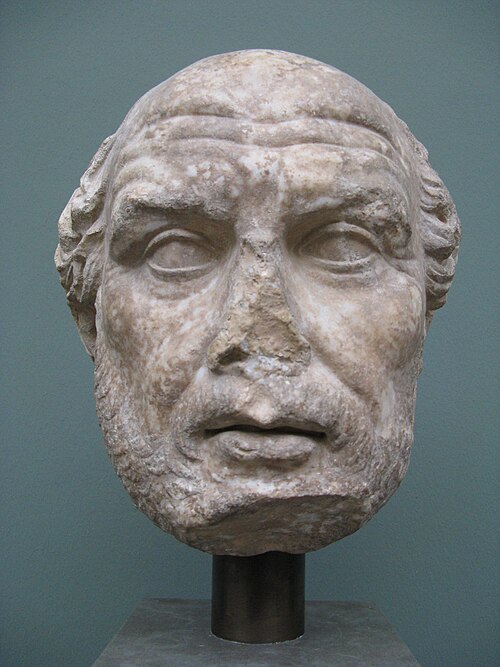
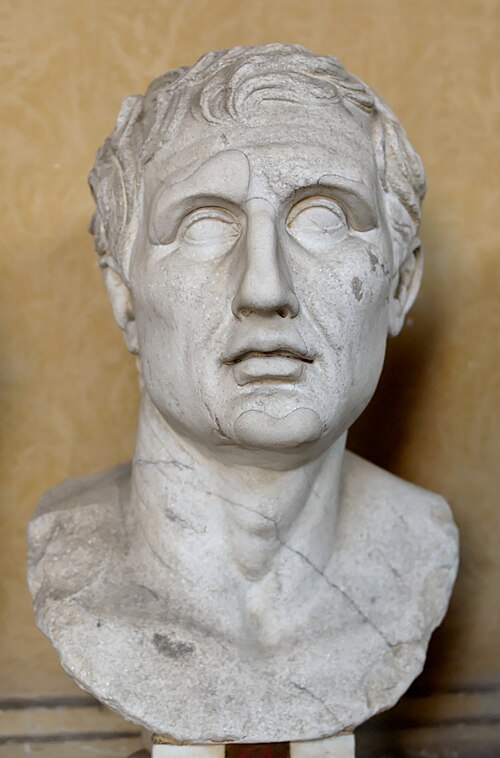
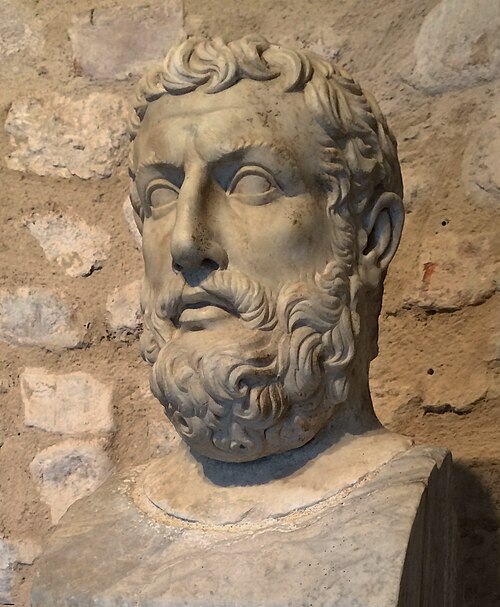
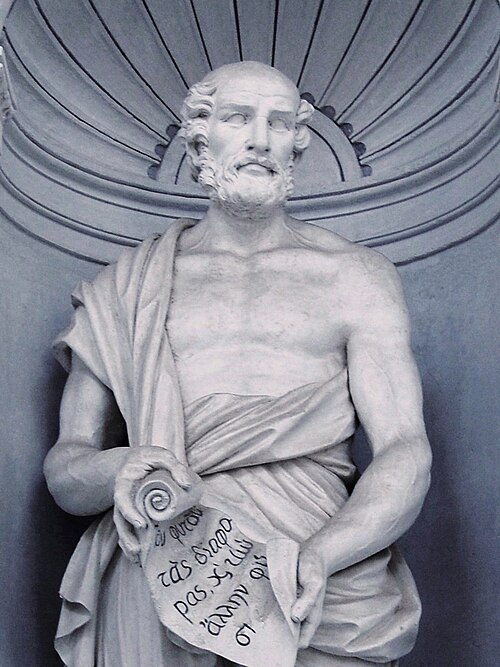
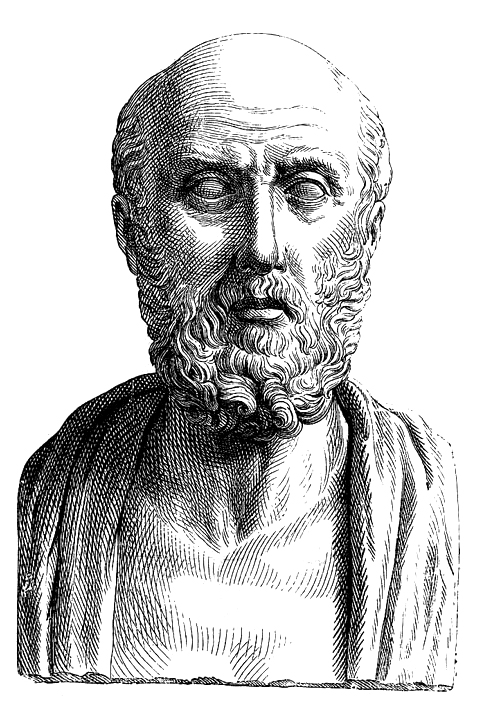
Hippocrates
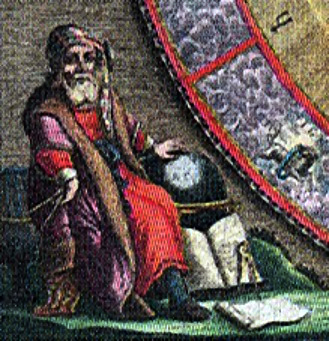
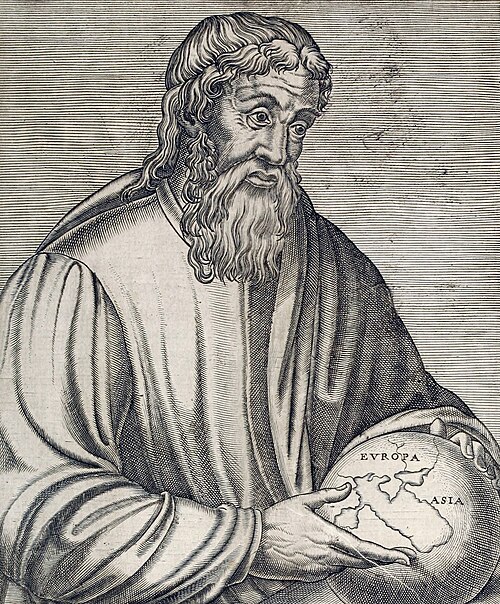
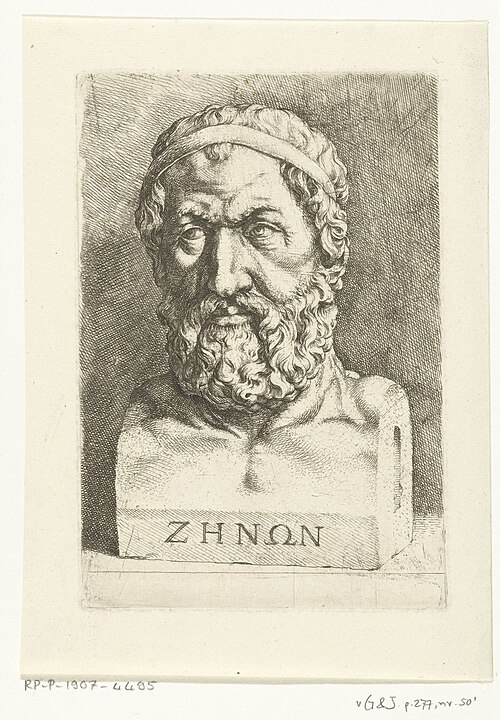
Unidentified engraver · Public domain · Wikimedia Commons

B1Antiquity · Physician

Hippocrates

Ιπποκράτης

c. 460 BC – c. 370 BC · Kos; Larissa (Thessaly)

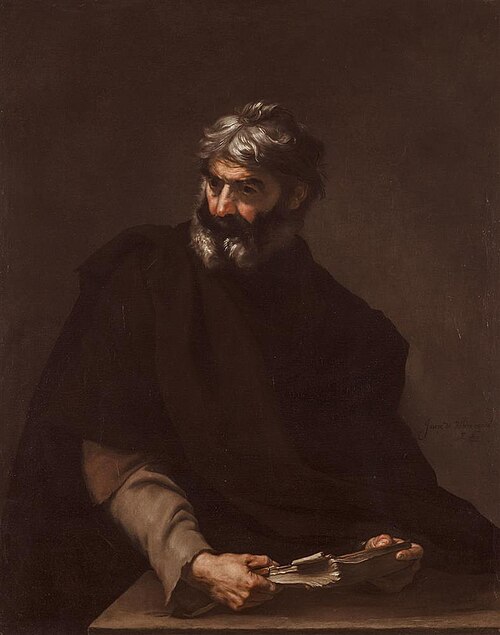
Hippocrates (Ιπποκράτης, c. 460–c. 370 BC), a physician from the island of Kos, is called the father of medicine because he and his school taught that illness has natural causes, that a doctor must observe the patient carefully, and that the first duty is to do no harm. The oath that bears his name is still sworn, in one form or another, by new doctors around the world, and the Hippocratic writings are the oldest medical books in Europe.

Life

Hippocrates was born on Kos, an island off the coast of Asia Minor, around 460 BC, into the Asclepiads, a family of physicians who traced their descent from the healing god Asclepius. He learned medicine from his father, Heraclides, and taught it in turn, reportedly accepting pupils from outside the family for a fee, which was new. Plato, writing within his lifetime, mentions «Hippocrates of Kos, the Asclepiad» as the obvious example of a famous doctor, and Aristotle calls him «the great Hippocrates»; these two mentions are almost all we securely know.

Later biographies, written centuries after his death, fill in the rest: that he travelled widely in Thrace, Thessaly, Macedonia and the islands, treating patients and teaching; that he declined an invitation from the Persian king; that he was called to Athens during the plague; that he taught under a plane tree in the town of Kos. Some of this is legend. What is certain is that he spent much of his life on the mainland and died in Larissa, in Thessaly, at a great age, around 370 BC.

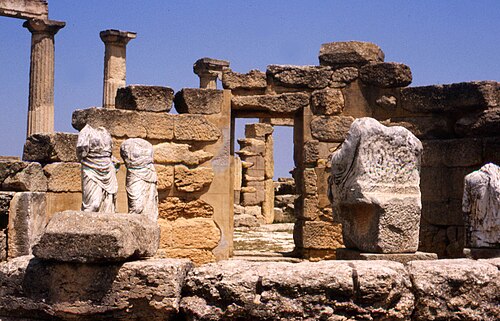
In Greek he is Ιπποκράτης, in English Hippocrates, in French Hippocrate. The sanctuary of Asclepius on Kos, the Asklepieion, whose ruins visitors walk through today, was built after his death, in the fourth and third centuries BC, partly in his honour.

Works

About sixty medical treatises in the Ionic dialect have come down under his name, the Hippocratic Corpus. Scholars agree that they were written by several authors of his school over more than a century, and nobody can say which, if any, are by Hippocrates himself. What unites them is a method. «Περί ιερής νούσου» (On the Sacred Disease) argues that epilepsy is no more divine than any other illness and has a cause in the body. «Περί αέρων, υδάτων, τόπων» (Airs, Waters, Places) relates disease to climate, water and season, the beginning of environmental medicine. The seven books of «Επιδημίαι» (Epidemics) record individual patients day by day, with the honest note that many of them died.

The «Προγνωστικόν» (Prognostic) teaches the doctor to read the signs of the body and foresee the course of an illness; the thin, sharp face of a dying patient is still called the Hippocratic face. The theory that health is a balance of four humours, blood, phlegm, yellow bile and black bile, comes from this school and governed European medicine for two thousand years. The «Αφορισμοί» (Aphorisms) collect short rules for practice, beginning with the famous «life is short, the art long».

And there is the «Όρκος» (Oath): the young doctor swears by Apollo and Asclepius to honour his teacher, to use treatment for the benefit of the sick, to give no deadly drug, to keep what he sees in patients' houses secret. The sentence «to help, or at least not to harm» stands in the Epidemics; the Oath says the same in its own words.

Legacy in Greece today

In Greece medical graduates still take the Hippocratic Oath in a modern form, and the first line, «Ὄμνυμι Ἀπόλλωνα ἰητρόν», is one of the few pieces of ancient Greek most people can recognise. On Kos a learner can sit under the Plane Tree of Hippocrates (Πλάτανος του Ιπποκράτη) in the main square of the town, a tree that is in fact a few centuries old but stands where tradition places his teaching, and then walk up to the Asklepieion on its three terraces above the sea. Kos has an International Hippocratic Foundation and a Hippocrates museum, and his statue stands in the town. Every Greek town has an Ιπποκράτους street, and the phrase ιπποκρατικός όρκος is used far beyond medicine for any solemn professional promise. The site's C1 reading on Asclepius tells the myth behind his family.

Did you know?

  • Plato mentions Hippocrates twice, in the Protagoras and the Phaedrus, which makes him one of the very few figures of his time attested by a contemporary.
  • Of the roughly sixty Hippocratic treatises, probably none can be proven to be by Hippocrates himself; they are the work of his school over more than a hundred years.
  • The original Oath forbids the doctor to use the knife and leaves surgery to «those who practise this craft», and it is sworn by Apollo, Asclepius, Hygieia and Panacea.
  • The modern words «crisis», «chronic», «diagnosis» and «epidemic» are all ancient Greek medical terms found in the Hippocratic writings.

Key works

Greek titleTitleYear
ΌρκοςThe Hippocratic Oathc. 400 BC
Περί ιερής νούσουOn the Sacred Diseasec. 400 BC
Περί αέρων, υδάτων, τόπωνAirs, Waters, Placesc. 400 BC
ΕπιδημίαιEpidemics5th–4th c. BC
ΠρογνωστικόνPrognosticc. 400 BC
ΑφορισμοίAphorismsc. 400 BC

A line to remember

Ὁ βίος βραχύς, ἡ δὲ τέχνη μακρή, ὁ δὲ καιρὸς ὀξύς, ἡ δὲ πεῖρα σφαλερή, ἡ δὲ κρίσις χαλεπή.

In today's GreekΗ ζωή είναι σύντομη, η τέχνη μακριά, η ευκαιρία φευγαλέα, η πείρα απατηλή, η κρίση δύσκολη.

O vios vrachys, i de techni makri, o de kairos oxys, i de peira sfaleri, i de krisis chalepi.

Life is short, the art is long, the right moment fleeting, experience deceptive, judgement difficult.

Αφορισμοί (Aphorisms) 1.1

From the original

The text as Hippocrates wrote it, out of copyright, with our own translation beside it.

«Ἱπποκράτειος Ὅρκος»The Hippocratic Oath

The second half of the Oath, after the pledges to one's teacher: here stand the promises every medical student still recognises, to do no harm, to give no poison, to respect the patient's house and to keep what one sees secret, sealed by a blessing and a curse.

Διαιτήμασί τε χρήσομαι ἐπ' ὠφελείῃ καμνόντων κατὰ δύναμιν καὶ κρίσιν ἐμὴν, ἐπὶ δηλήσει δὲ καὶ ἀδικίῃ εἴρξειν. Οὐ δώσω δὲ οὐδὲ φάρμακον οὐδενὶ αἰτηθεὶς θανάσιμον, οὐδὲ ὑφηγήσομαι ξυμβουλίην τοιήνδε. ὁμοίως δὲ οὐδὲ γυναικὶ πεσσὸν φθόριον δώσω. Ἁγνῶς δὲ καὶ ὁσίως διατηρήσω βίον τὸν ἐμὸν καὶ τέχνην τὴν ἐμήν. Οὐ τεμέω δὲ οὐδὲ μὴν λιθιῶντας, ἐκχωρήσω δὲ ἐργάτῃσιν ἀνδράσι πρήξιος τῆσδε. Ἐς οἰκίας δὲ ὁκόσας ἂν ἐσίω, ἐσελεύσομαι ἐπ' ὠφελείῃ καμνόντων, ἐκτὸς ἐὼν πάσης ἀδικίης ἑκουσίης καὶ φθορίης, τῆς τε ἄλλης καὶ ἀφροδισίων ἔργων ἐπί τε γυναικείων σωμάτων καὶ ἀνδρῴων, ἐλευθέρων τε καὶ δούλων. Ἃ δ' ἂν ἐν θεραπείῃ ἢ ἴδω, ἢ ἀκούσω, ἢ καὶ ἄνευ θεραπηίης κατὰ βίον ἀνθρώπων, ἃ μὴ χρή ποτε ἐκλαλέεσθαι ἔξω, σιγήσομαι, ἄῤῥητα ἡγεύμενος εἶναι τὰ τοιαῦτα. Ὅρκον μὲν οὖν μοι τόνδε ἐπιτελέα ποιέοντι, καὶ μὴ ξυγχέοντι, εἴη ἐπαύρασθαι καὶ βίου καὶ τέχνης δοξαζομένῳ παρὰ πᾶσιν ἀνθρώποις ἐς τὸν αἰεὶ χρόνον. παραβαίνοντι δὲ καὶ ἐπιορκοῦντι, τἀναντία τουτέων.I will use dietary regimens for the benefit of the sick according to my ability and judgement, and I will keep them from harm and injustice. I will give no one a deadly drug, even if asked, nor will I suggest such a course; likewise I will not give a woman a pessary to cause abortion. In purity and holiness I will guard my life and my art. I will not cut, not even those who suffer from the stone, but will leave that to the men who practise this work. Into whatever houses I enter, I will enter for the benefit of the sick, keeping clear of all deliberate wrongdoing and harm, and especially of sexual acts with the bodies of women or men, free or slave. Whatever I see or hear in the course of treatment, or even outside of treatment, concerning people's lives, that ought never to be spoken of abroad, I will keep silent, holding such things to be unspeakable. If I carry out this oath and do not break it, may I enjoy my life and my art, honoured among all people for all time; but if I transgress it and swear falsely, may the opposite be my lot.

Ὅρκος (c. 400 BC), second half: from the pledge on treatment to the closing prayer · Public-domain text, source: el.wikisource.org
B1

Read about Hippocrates in Greek (B1)

Words from the passage

  • doctor
  • illness
  • cause
  • natural
  • I observe
  • oath
  • I help
  • I harm

Test yourself: 4 words from this page

1 / 4

What does this word mean?

Want to learn Greek?Start learning Greek
Others at level B1

Modern Greece · Poet and diplomatGiorgos Seferis1900 – 1971Modern Greece · PoetKostas Karyotakis1896 – 1928Modern Greece · NovelistStratis Myrivilis1890 – 1969Antiquity · TragedianSophoclesc. 497 BC – 406 BCAntiquity · Comic playwrightAristophanesc. 446 BC – c. 386 BCAntiquity · Mathematician and inventorArchimedesc. 287 BC – c. 212 BCAntiquity · Mathematician and philosopherHypatiac. 355 – 415Modern Greece · General of 1821Theodoros Kolokotronis1770 – 1843Modern Greece · PoetMaria Polydouri1902 – 1930Modern Greece · Novelist and playwrightGrigorios Xenopoulos1867 – 1951Modern Greece · Novelist, first IOC presidentDimitrios Vikelas1835 – 1908Modern Greece · Poet and seamanNikos Kavvadias1910 – 1975Modern Greece · NovelistAntonis Samarakis1919 – 2003Modern Greece · Rebetiko singer and bouzouki playerMarkos Vamvakaris1905 – 1972Modern Greece · Composer, bouzouki playerVassilis Tsitsanis1915 – 1984Modern Greece · PainterYannis Tsarouchis1910 – 1989Modern Greece · Officer, Macedonian StrugglePavlos Melas1870 – 1904Modern Greece · PoetAristotelis Valaoritis1824 – 1879Modern Greece · Novelist, journalistIoannis Kondylakis1861 – 1920Modern Greece · NovelistIlias Venezis1904 – 1973Modern Greece · Novelist, playwrightMargarita Liberaki1919 – 2001Modern Greece · NovelistVassilis Vassilikos1934 – 2023Modern Greece · PainterNikos Hadjikyriakos-Ghika1906 – 1994Modern Greece · Painter, writerFotis Kontoglou1895 – 1965Modern Greece · Folk singer, researcherDomna Samiou1928 – 2012Modern Greece · PoetKostas Krystallis1868 – 1894Modern Greece · NovelistMaria Iordanidou1897 – 1989Modern Greece · Humorist, screenwriterNikos Tsiforos1909 – 1970Modern Greece · ArchaeologistManolis Andronikos1919 – 1992Modern Greece · Resistance hero, politicianManolis Glezos1922 – 2020Modern Greece · Resistance heroineLela Karagianni1898 – 1944Modern Greece · ComposerApostolos Kaldaras1922 – 1990Modern Greece · AstronomerDimitrios Eginitis1862 – 1934Renaissance · Poet · empressAelia Eudociac. 400 – 460Modern Greece · Sculptor and visual artistAlex Mylona1920 – 2016Modern Greece · Documentary filmmakerAlinda Dimitriou1933 – 2013Modern Greece · Novelist · short-story writerAmanda Michalopoulou1966Antiquity · Philosopher of natureAnaxagorasc. 500 BC – 428 BCAntiquity · Philosopher of natureAnaximanderc. 610 BC – c. 546 BCAntiquity · Natural philosopherAnaximenes6th c. BCModern Greece · Folklorist and folk-art scholarAngeliki Chatzimichali1895 – 1965Modern Greece · Actress and theatre company founderAnna Synodinou1927 – 2016Modern Greece · Experimental filmmaker and visual artistAntoinetta Angelidi1950Modern Greece · Poet · Novelist · TranslatorAris Alexandrou1922 – 1978Antiquity · Mathematician and astronomerAristarchus of Samosc. 310 BC – c. 230 BCModern Greece · Actress, theatre organiser and writerAspasia Papathanassiou1918 – 2020Antiquity · Figure of classical AthensAspasia5th c. BCModern Greece · Poet and journalistAthina Papadaki1945Modern Greece · Filmmaker and producerAthina Rachel Tsangari1966Modern Greece · Visual artistBia Davou1932 – 1996Modern Greece · Poet and translatorChrysa Prokopaki1940Modern Greece · Visual artistChryssa Romanos1931 – 2006Modern Greece · Installation and land artistDanae Stratou1964Modern Greece · Choreographer and visual artistDimitris Papaioannou1964Antiquity · PhilosopherDemocritusc. 460 BC – c. 370 BCModern Greece · Film/theatre directorDimos Avdeliodis1952Modern Greece · Dance organiser · cultural heritageDora Stratou1903 – 1988Modern Greece · Painter and art teacherEleni Boukoura-Altamoura1821/1824 – 1900Modern Greece · Composer · film and theatreEleni Karaindrou1941Modern Greece · Poet and art criticEleni Vakalo1921 – 2001Modern Greece · Philologist · lexicographerEmmanuel Kriaras1906 – 2014Antiquity · Philosopher and poetEmpedoclesc. 490 BC – c. 430 BCAntiquity · Stoic philosopherEpictetusc. AD 55 – c. AD 135Antiquity · Mathematician and geographerEratosthenesc. 276 BC – c. 194 BCAntiquity · SculptorPheidiasModern Greece · Film director · writerFrida Liappa1948 – 1994Modern Greece · Novelist and poetGalatea Kazantzaki1881 – 1962Antiquity · Physician and medical writerGalenAD 129 – c. AD 216Modern Greece · Linguist and lexicographerGeorgios Babiniotis1939Modern Greece · Laïko singer · vocal teacherGiota NegkaModern Greece · Novelist · screenwriterIoanna Karystiani1952Renaissance · Byzantine empressIrene of Athensc. 752 – 803Modern Greece · Mezzo-soprano · PianistIrma Kolassi1918 – 2012Antiquity · Poet · ScholarCallimachusc. 305 BC – c. 240 BCRenaissance · Poet · hymnographerKassiani (Kassia)c. 800–810Modern Greece · Poet and translatorKaterina Anghelaki-Rooke1939 – 2020Modern Greece · Judge · former presidentKaterina Sakellaropoulou1956Antiquity · Queen of EgyptCleopatra VII69 BC – 30 BCModern Greece · Landscape painterKonstantinos Maleas1879 – 1928Antiquity · Lyric poetCorinnaModern Greece · Film director · screenwriterCosta-Gavras1933Modern Greece · Dance teacher and choreographerKoula Pratsika1899 – 1984Modern Greece · Visual and performance artistLeda Papakonstantinou1945Modern Greece · Writer and journalistLafcadio Hearn1850 – 1904Modern Greece · Novelist and historianLena Divani1955Modern Greece · Violinist · ConductorLeonidas Kavakos1967Modern Greece · Actress · director · theatre teacherLydia Koniordou1953Modern Greece · Poet and translatorManto Aravantinou1923/1926 – 1998Modern Greece · Singer · interpreter of poetryMaria Farantouri1947Modern Greece · Poet, prose writerMaria Kentrou-Agathopoulou1930Modern Greece · Poet and translatorMaria Kyrtzaki1948 – 2016Modern Greece · Sculptor and installation artistMaria Loizidou1958Modern Greece · Film director and editorMaria Plyta1915 – 2006Antiquity · Playwright · New ComedyMenanderc. 344–342 BC – c. 292–291 BCModern Greece · Fiction writer · TranslatorMenis Koumantareas1931 – 2014Modern Greece · Poet and painterNana Isaia1934 – 2003Modern Greece · Film directorNikos Koundouros1926 – 2017Modern Greece · Lyricist · Prose writerOdysseas Ioannou1967Antiquity · Philosopher and poetParmenidesc. 515 BCModern Greece · Novelist · crime fictionPetros Markaris1937Antiquity · Sophist and teacherProtagorasc. 490 BC – c. 420 BCModern Greece · Dancer, choreographer and teacherRallou Manou1915 – 1988Modern Greece · Visual artist and teacherRena Papaspyrou1938Modern Greece · Singer · composerSavina Yannatou1959Antiquity · Lyric poetSimonides of Ceosc. 556 BC – c. 468 BCModern Greece · PainterSofia Laskaridou1876 – 1965Modern Greece · Novelist, historian and translatorSoti Triantafyllou1957Modern Greece · Painter and church decoratorSpyros Papaloukas1892 – 1957Modern Greece · Filmmaker and actorStavros Tornes1932 – 1988Antiquity · Geographer and historianStraboc. 64 BC – c. AD 24Modern Greece · Singer · actressTania Tsanaklidou1952Modern Greece · Fiction writer · ScreenwriterThanasis Valtinos1932 – 2024Renaissance · Byzantine empressTheodorac. 500 – 548Modern Greece · Theatre director and teacherTheodoros Terzopoulos1945Antiquity · Philosopher and naturalistTheophrastusc. 371 BC – c. 287 BCModern Greece · Novelist and translatorTheodor Kallifatides1938Modern Greece · Poet · TranslatorTitos Patrikios1928Modern Greece · Film director · screenwriterTonia Marketaki1942 – 1994Modern Greece · Poet · TranslatorJenny Mastoraki1949 – 2024Antiquity · Philosopher of paradoxZeno of Eleac. 490 BCModern Greece · Dancer, choreographer and teacherZouzou Nikoloudi1917 – 2004

All personalities →