grecfacilegrecfacile
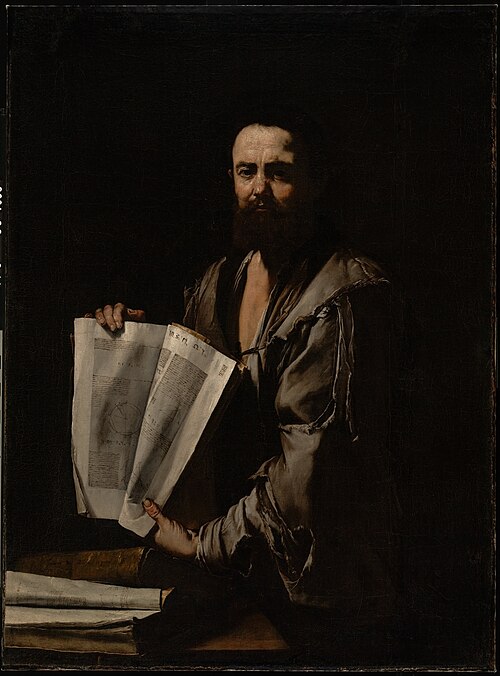
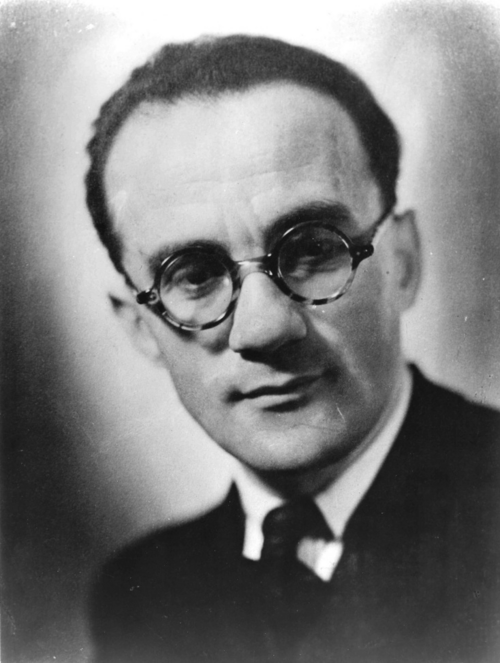
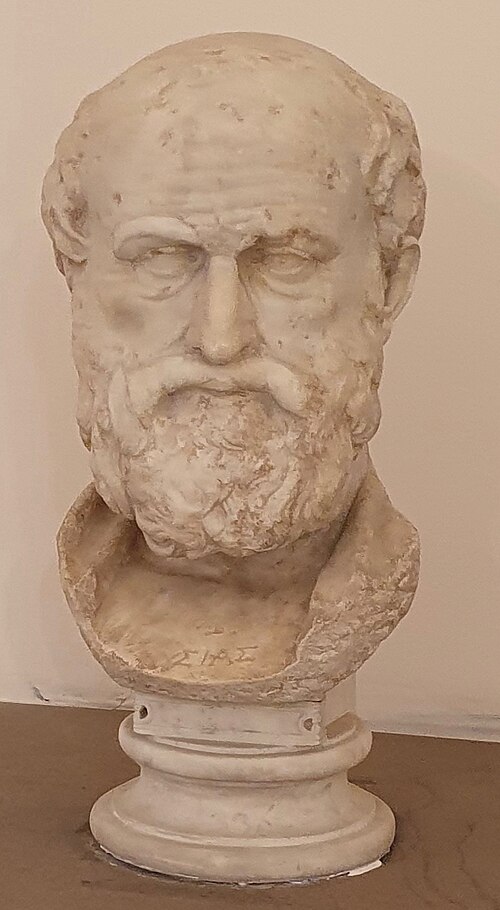
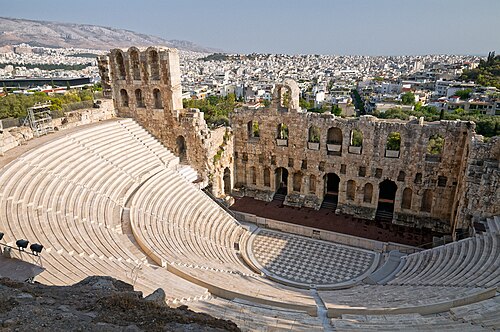
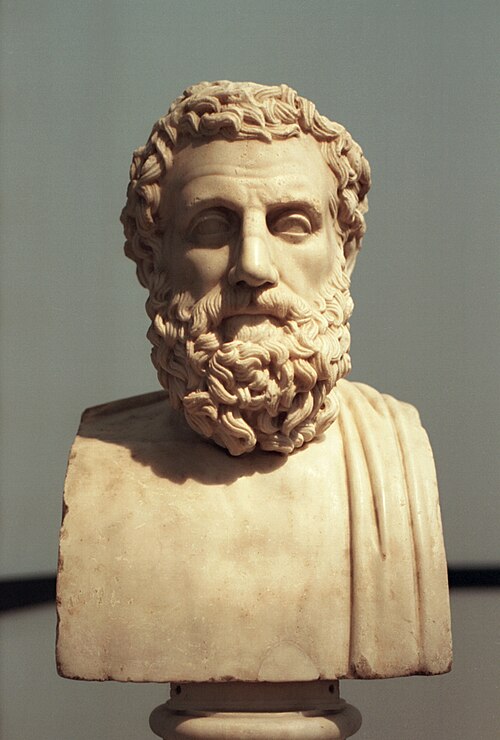
Aeschylus
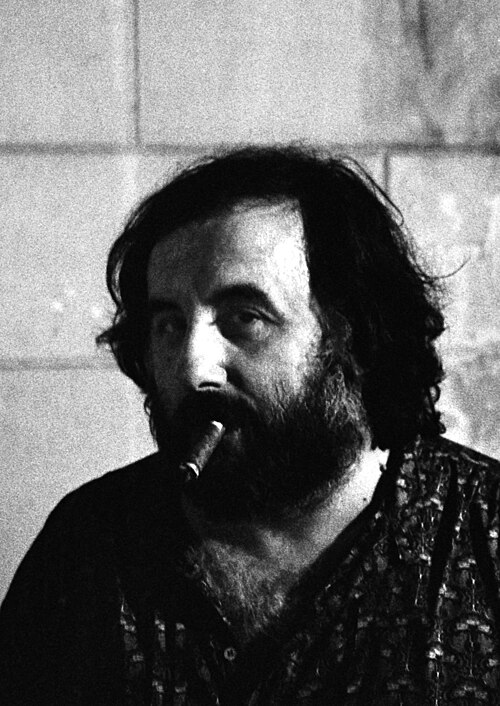
Zde · CC BY-SA 4.0 · Wikimedia Commons

C1Antiquity · Tragedian

Aeschylus

Αισχύλος

c. 525 BC – 456 BC · Eleusis; Athens; Gela, Sicily

Aeschylus (Αισχύλος) was an Athenian soldier-poet who fought the Persians at Marathon in 490 BC and then turned Greek tragedy from a choral song into drama by adding a second actor. Seven of his roughly eighty plays survive, among them the Oresteia, the only complete trilogy we have, and the Persians, the oldest surviving play in the world, written by an eyewitness of the battle of Salamis.

Life

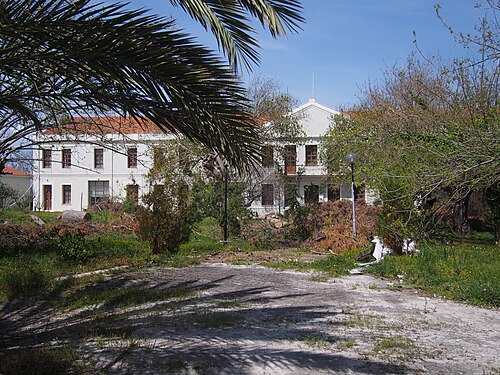
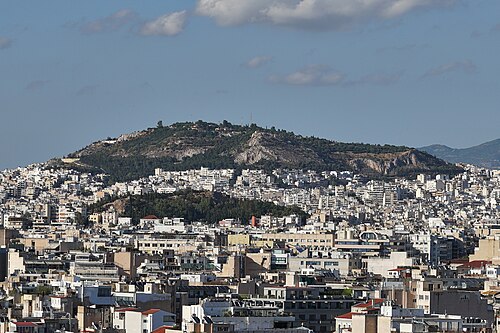
Aeschylus was born around 525 BC at Eleusis, the town west of Athens famous for the mysteries of Demeter, into an old landowning family. He began competing in the tragic contests of the Dionysia around 499 BC and won his first victory in 484; in all he took first prize thirteen times. But the event that defined his life, and the only one his epitaph mentions, was the battle of Marathon in 490 BC, where he fought in the Athenian line and where his brother Kynegeiros was killed. He very probably fought at Salamis ten years later as well: his description of the sea battle in the Persians reads like a report from the deck.

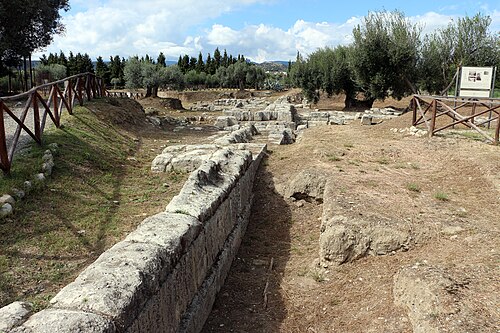
He travelled at least twice to Sicily at the invitation of the tyrant Hieron of Syracuse, writing a play for the founding of the city of Aetna. In Athens he was once accused of revealing secrets of the Eleusinian mysteries on stage and was acquitted; the story goes that he had not realised they were secret.

He died at Gela in Sicily in 456 BC. A later legend says an eagle dropped a tortoise on his bald head, mistaking it for a rock. The Athenians honoured him with a unique decree: his plays could be restaged at the festivals after his death, competing against living poets. His sons Euphorion and Euaion also wrote tragedies.

Works

Aristotle credits Aeschylus with adding the second actor, which made dialogue, and therefore drama, possible; he also cut back the role of the chorus and used costume, masks and stage machinery for spectacular effects. His language is grand and dense, full of compound adjectives and bold images, and his plays ask one question above all: how does divine justice work across generations?

The Πέρσαι (Persians, 472 BC) shows the defeat at Salamis from the Persian side, through the grief of Xerxes' mother and the ghost of Darius; Pericles paid for the production. Επτά επί Θήβας (Seven against Thebes, 467) ends with the sons of Oedipus, Eteocles and Polynices, killing each other at the gates. The Ικέτιδες (Suppliant Women) follow the fifty daughters of Danaus fleeing forced marriage.

His masterpiece is the Ορέστεια (Oresteia, 458 BC): in Αγαμέμνων Clytemnestra murders her husband on his return from Troy; in Χοηφόροι (Libation Bearers) their son Orestes avenges him by killing her; in Ευμενίδες the Furies hunt Orestes to Athens, where Athena founds the first court and the cycle of blood is replaced by law. Προμηθεύς Δεσμώτης (Prometheus Bound), the Titan chained for giving fire to humans, has come down under his name, though many scholars now doubt he wrote it.

Legacy in Greece today

The Oresteia is staged almost every summer at the ancient theatre of Epidaurus, and a production of the Persians there is a rite of passage for Greek directors. His home town, now Elefsina, holds the annual Αισχύλεια festival in his honour and celebrated him when it was European Capital of Culture in 2023. Greeks still say πάθει μάθος, 'learning through suffering', a phrase from the Agamemnon, and the cry from the Persians, ὦ παῖδες Ἑλλήνων ἴτε, is quoted on national anniversaries. For a learner, the readings on this site retell Prometheus, Orestes, Clytemnestra, the Furies and the brothers Eteocles and Polynices in Modern Greek; read them, then look for the original lines.

Did you know?

  • His epitaph, said to be his own, mentions only that the grove of Marathon and the long-haired Persian know his valour; not a word about his plays.
  • The Persians (472 BC) is the oldest surviving play in world theatre and the only surviving Greek tragedy about a historical event rather than a myth.
  • After his death the Athenians allowed his plays to be restaged in the contests, an honour given to no other poet of his generation.
  • He reportedly wrote some eighty to ninety plays; seven survive, and titles of most of the rest are known only from lists and quotations.

Key works

Greek titleTitleYear
ΠέρσαιThe Persians472 BC
Επτά επί ΘήβαςSeven against Thebes467 BC
ΙκέτιδεςThe Suppliant Womenc. 463 BC
Ορέστεια (Αγαμέμνων, Χοηφόροι, Ευμενίδες)Oresteia (Agamemnon, Libation Bearers, Eumenides)458 BC
Προμηθεύς ΔεσμώτηςPrometheus Bound (attributed)after 456 BC?

A line to remember

ὦ παῖδες Ἑλλήνων ἴτε, / ἐλευθεροῦτε πατρίδ', ἐλευθεροῦτε δὲ / παῖδας, γυναῖκας, θεῶν τε πατρῴων ἕδη, / θήκας τε προγόνων· νῦν ὑπὲρ πάντων ἀγών.

In today's GreekΕμπρός, παιδιά των Ελλήνων, ελευθερώστε την πατρίδα, ελευθερώστε τα παιδιά, τις γυναίκες, τους ναούς των πατρικών θεών και τους τάφους των προγόνων· τώρα ο αγώνας είναι για όλα.

o paides Ellinon ite, / eleftheroute patrid', eleftheroute de / paidas, gynaikas, theon te patroon edi, / thikas te progonon; nyn yper panton agon.

Forward, sons of the Greeks! / Free your homeland, free / your children, your wives, the seats of your fathers' gods, / the tombs of your ancestors: now the struggle is for everything.

Πέρσαι, στ. 402–405 (472 π.Χ.)

From the original

The text as Aeschylus wrote it, out of copyright, with our own translation beside it.

«Πέρσαι»The Persians

A Persian messenger tells Queen Atossa how the battle of Salamis began: dawn, the Greek paean, the trumpet, the war cry. Aeschylus had fought in the Persian Wars; the play was staged in Athens eight years after the battle.

ἐπεί γε μέντοι λευκόπωλος ἡμέραBut when the day with her white horses
πᾶσαν κατέσχε γαῖαν εὐφεγγὴς ἰδεῖν,had covered all the earth, radiant to see,
πρῶτον μὲν ἠχῇ κέλαδος Ἑλλήνων πάραfirst a loud sound rose from the Greeks,
μολπηδὸν ηὐφήμησεν, ὄρθιον δ᾽ ἅμαa joyful song like a hymn, and at once, high and clear,
ἀντηλάλαξε νησιώτιδος πέτραςthe echo from the island's rocks
ἠχώ: φόβος δὲ πᾶσι βαρβάροις παρῆνshouted back; and fear came over all the barbarians,
γνώμης ἀποσφαλεῖσιν: οὐ γὰρ ὡς φυγῇcheated of their hopes; for it was not for flight
παιᾶν᾽ ἐφύμνουν σεμνὸν Ἕλληνες τότε,that the Greeks were singing their solemn paean then,
ἀλλ᾽ ἐς μάχην ὁρμῶντες εὐψύχῳ θράσει:but as they rushed into battle with brave daring;
σάλπιγξ δ᾽ ἀϋτῇ πάντ᾽ ἐκεῖν᾽ ἐπέφλεγεν.and a trumpet with its cry set all that shore ablaze.
εὐθὺς δὲ κώπης ῥοθιάδος ξυνεμβολῇAt once, with the stroke of the dashing oars together,
ἔπαισαν ἅλμην βρύχιον ἐκ κελεύματος,they struck the roaring brine at the word of command,
θοῶς δὲ πάντες ἦσαν ἐκφανεῖς ἰδεῖν.and swiftly they all came into plain sight.
τὸ δεξιὸν μὲν πρῶτον εὐτάκτως κέραςThe right wing first, in good order,
ἡγεῖτο κόσμῳ, δεύτερον δ᾽ ὁ πᾶς στόλοςled the way in line, and next the whole fleet
ἐπεξεχώρει, καὶ παρῆν ὁμοῦ κλύεινcame out after it, and one could hear at once
πολλὴν βοήν, ‘ὦ παῖδες Ἑλλήνων ἴτε,a great shout: "Forward, sons of the Greeks,
ἐλευθεροῦτε πατρίδ᾽, ἐλευθεροῦτε δὲfree your homeland, free
παῖδας, γυναῖκας, θεῶν τέ πατρῴων ἕδη,your children, your wives, the seats of your fathers' gods,
θήκας τε προγόνων: νῦν ὑπὲρ πάντων ἀγών.’and the tombs of your ancestors: now the struggle is for everything."
καὶ μὴν παρ᾽ ἡμῶν Περσίδος γλώσσης ῥόθοςAnd from our side the roar of the Persian tongue
ὑπηντίαζε, κοὐκέτ᾽ ἦν μέλλειν ἀκμή.rose to meet it, and there was no more time to wait.

Πέρσαι, στ. 386–407 (472 π.Χ.), the battle of Salamis · Public-domain text, source: perseus.tufts.edu
C1

Read about Aeschylus in Greek (C1)

Words from the passage

  • soldier
  • most probably
  • actor (ancient)
  • naval battle
  • the defeated
  • revenge
  • court of law
  • bald

Test yourself: 4 words from this page

1 / 4

What does this word mean?

Want to learn Greek?Start learning Greek

Others at level C1

Modern Greece · Novelist and short-story writerAlexandros Papadiamantis1851 – 1911Antiquity · Lyric poetSapphoc. 630 BC – c. 570 BCAntiquity · HistorianHerodotusc. 484 BC – c. 425 BCRenaissance · Poet (Cretan Renaissance)Vitsentzos Kornaros1553 – 1613 or 1614Antiquity · PhilosopherSocratesc. 470 BC – 399 BCAntiquity · PhilosopherEpicurus341 BC – 270 BCAntiquity · Orator and statesmanDemosthenes384 BC – 322 BCRenaissance · HymnographerRomanos the Melodistc. 490 – c. 556Modern Greece · General of 1821, memoiristIoannis Makriyannis1797 – 1864Modern Greece · PoetNapoleon Lapathiotis1888 – 1944Modern Greece · NovelistKonstantinos Theotokis1872 – 1923Modern Greece · Film directorTheo Angelopoulos1935 – 2012Modern Greece · Poet, satiristKostas Varnalis1884 – 1974Modern Greece · Theatre directorKarolos Koun1908 – 1987Antiquity · MathematicianEuclidc. 325 BC – c. 265 BCModern Greece · Poet, novelistKonstantinos Chatzopoulos1868 – 1920Modern Greece · NovelistM. Karagatsis1908 – 1960Modern Greece · Novelist, playwrightAngelos Terzakis1907 – 1979Modern Greece · PoetManolis Anagnostakis1925 – 2005Modern Greece · NovelistKostas Taktsis1927 – 1988Modern Greece · Scholar, EnlightenmentEvgenios Voulgaris1716 – 1806Modern Greece · Artist (Arte Povera)Jannis Kounellis1936 – 2017Modern Greece · SculptorChryssa (Vardea)1933 – 2013Modern Greece · ComposerNikos Skalkottas1904 – 1949Modern Greece · ComposerManolis Kalomiris1883 – 1962Modern Greece · Journalist, feministKallirroi Parren1861 – 1940Modern Greece · Poet, actressKaterina Gogou1940 – 1993Modern Greece · FolkloristNikolaos Politis1852 – 1921Modern Greece · ArchitectDimitris Pikionis1887 – 1968Modern Greece · ComposerThanos Mikroutsikos1947 – 2019Modern Greece · Playwright, journalistSpyros Melas1882 – 1966Modern Greece · NovelistAlkyoni PapadakiModern Greece · Theatre historian · translation scholarAnna TabakiModern Greece · ChoreographerAndonis Foniadakis1971Modern Greece · Singer-songwriter · painterArleta1945 – 2017Modern Greece · Stage and screen actressBetty Arvaniti1939Modern Greece · Island folk singerEleni Legaki1956Modern Greece · Singer · rebetiko and laïkoFoteini Velesiotou1958Modern Greece · Choreographer · dancerIoannis Mandafounis1981Modern Greece · Poet · translator · editorKaterina Iliopoulou1967Modern Greece · Stage actressKyveli1888 – 1978Modern Greece · Singer · lyricistLizeta Kalimeri1969Antiquity · Ancient novelistLongusModern Greece · SingerLoukas GiorkasModern Greece · Painter and printmakerLoukia Maggiorou1914 – 2008Antiquity · Speechwriter and oratorLysiasc. 445 BC – c. 380 BCModern Greece · SingerMarika Papagika1890 – 1943Modern Greece · Tenor · crossover singerMario Frangoulis1966Modern Greece · Singer · composer · music educatorMariza Koch1944Modern Greece · Singer · songwriterMatoula Zamani1981Modern Greece · Poet · translatorMelissanthi1907 – 1990Antiquity · Bronze sculptorMyronModern Greece · Painter and tapestry artistNiki Kanagini1933 – 2008Modern Greece · Laïko singerNikos Vertis1976Modern Greece · Stage actress · translatorNonika Galinea1938 – 2023Antiquity · Poet · EpigrammatistNossisModern Greece · RapperPavlos Fyssas1979 – 2013Modern Greece · Singer · songwriterPenny BaltatziAntiquity · PhilosopherPlotinusc. AD 204–205 – 270Modern Greece · ChoreographerSofia Mavragani1978Modern Greece · Theatre and opera directorSpyros Evangelatos1940 – 2017Antiquity · AnthologistStobaeusAntiquity · Elegiac poetTyrtaeus7th c. BCModern Greece · Singer · songwriterVictor Vernicos2006Modern Greece · Poet · prose writerVictoria Theodorouc. 1925 – 2019Modern Greece · Hellenist and scholarJacqueline de Romilly1913 – 2010

All personalities →