Life
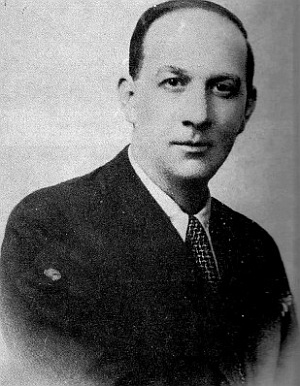
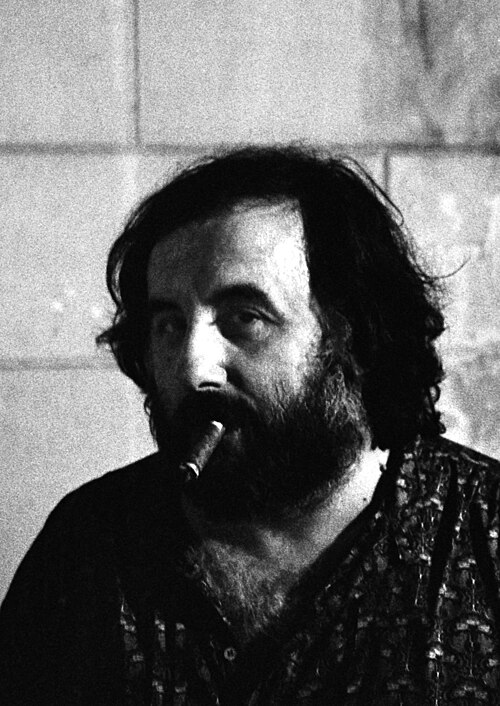
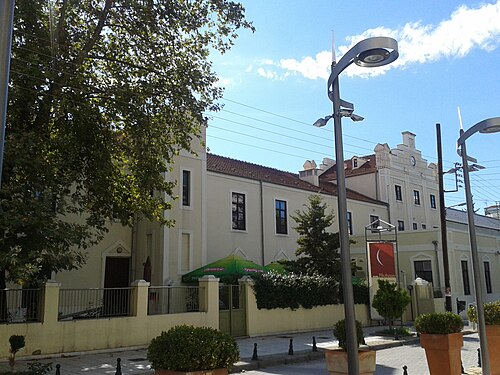
Koun was born on 13 September 1908 in Bursa (Prousa) in Asia Minor, to a father of German origin and a Greek mother, and grew up in Constantinople, where he attended the American Robert College. After a year at the Sorbonne he came to Athens in 1929 to teach English at Athens College, and it was with his pupils there that he first directed: Aristophanes' Birds, Frogs and Cyclops in the school garden, played with masks and folk costume. In 1934, with the painter Giannis Tsarouchis and the actor Dionysis Devaris, he founded the short-lived Λαϊκή Σκηνή (Popular Stage), staging the Cretan tragedy Ερωφίλη and Euripides' Alcestis in a style he called «Greek folk expressionism».
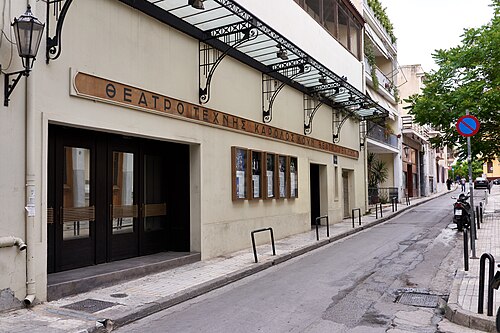
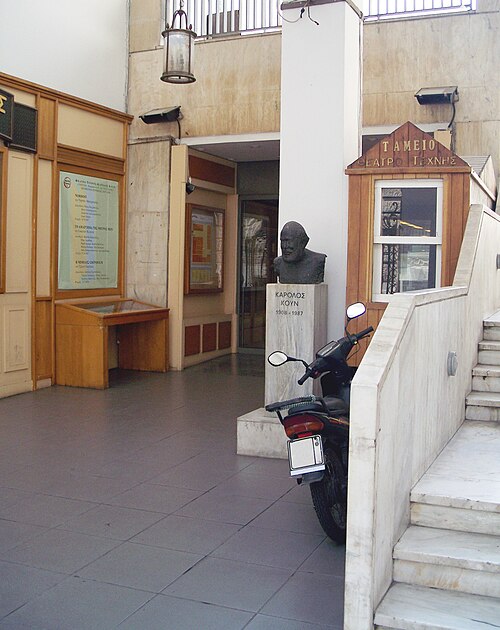
In the autumn of 1942, in the middle of the German occupation and the famine, he opened the Θέατρο Τέχνης with Ibsen's The Wild Duck and a company of unknown young actors who were also his students, among them the young Melina Mercouri. The theatre closed for lack of money in 1949, and when it reopened in 1954 it was in the Υπόγειο, a basement under the Orfeas arcade in Pesmazoglou Street, a hundred and fifty seats around a bare stage, which remained its home and symbol.
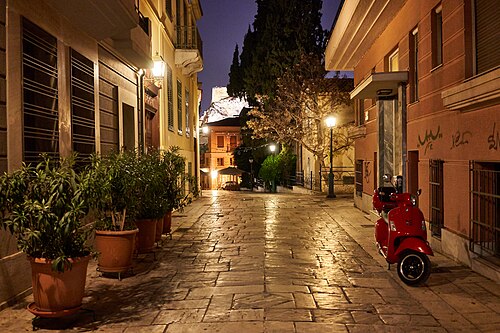
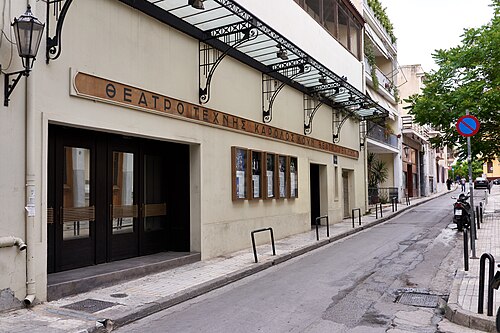
He went on working through the dictatorship of 1967–74, when his productions of Aristophanes were read by audiences as acts of resistance, and died in Athens on 14 February 1987. The Art Theatre, its school and its two stages, the Υπόγειο and the house in Frynichou Street in Plaka, continue under the name Θέατρο Τέχνης Καρόλου Κουν.
Works

Koun's first achievement was to bring the twentieth century onto the Greek stage. The Art Theatre gave Greece its first Pirandello, Lorca and Tennessee Williams; his A Streetcar Named Desire of 1949, with Mercouri as Blanche and music by Manos Hadjidakis, including the song «Χάρτινο το φεγγαράκι», is a landmark of Athenian memory. In the 1950s and 1960s came Brecht, Ionesco, Beckett and Pinter, played by an ensemble that worked and studied together, in reaction to the star system of commercial theatre. His second achievement was Greek writing: in 1957 he staged Η αυλή των θαυμάτων (The Courtyard of Miracles) by the unknown Iakovos Kampanellis, the play that founded modern Greek drama, and went on to launch Loula Anagnostaki, Dimitris Kehaidis and others.
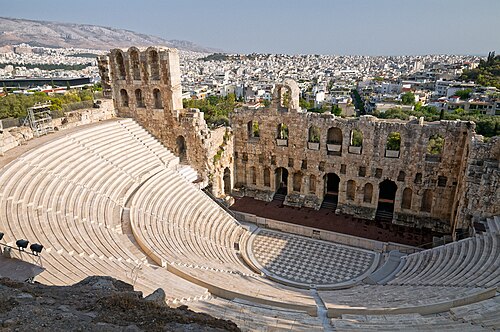
The third was Aristophanes. His Όρνιθες (Birds) at the Herodes Atticus theatre in August 1959, translated by Vasilis Rotas, with music by Hadjidakis, sets and costumes by Tsarouchis and choreography by Zouzou Nikoloudi, treated the comedy as a living popular feast, with Byzantine chant and shadow-theatre gestures. A priest parodied in the style of an Orthodox liturgy caused a scandal; the minister Konstantinos Tsatsos banned further performances after the first night. Restaged in 1960, it won first prize at the Théâtre des Nations in Paris in 1962 and toured for decades. Πέρσες (Persians, London 1965), Βάτραχοι, Αχαρνής, Οιδίπους Τύραννος and Βάκχες followed, and his way of playing the ancients, choral, musical, rooted in folk ritual rather than in marble, became the Greek way.
Legacy in Greece today
Go down the stairs to the Υπόγειο in Pesmazoglou Street or to the Art Theatre in Frynichou Street in Plaka and you are in Koun's house; the company and the drama school still bear his name, and the school's graduates, from Giorgos Lazanis, Mimis Kouyoumtzis and Reni Pittaki to the actors on today's television, are described in Greece simply as «από το Θέατρο Τέχνης». His Birds has been revived again and again, and Hadjidakis's music for it is on record. An extract from Kampanellis's Courtyard of Miracles, which he discovered, is read in lyceum. His collected talks and writings appeared as Κάνουμε θέατρο για την ψυχή μας (We Make Theatre for Our Soul, 1987), a title that Greek theatre people quote as a credo.
Did you know?
- His first productions were school plays: Aristophanes staged with the boys of Athens College in the early 1930s, in masks and folk costume.
- The Art Theatre opened in 1942, during the Occupation famine, with Ibsen's The Wild Duck and a company of students.
- The Birds of 1959 was banned by the Greek government after one performance and three years later won first prize at the Théâtre des Nations in Paris.
- His 1949 Streetcar Named Desire gave Greece one of its most loved songs, Hadjidakis's «Χάρτινο το φεγγαράκι», sung by Melina Mercouri as Blanche.
Key works
| Greek title | Title | Year |
|---|---|---|
| Ίδρυση του Θεάτρου Τέχνης (Η αγριόπαπια του Ίψεν) | Foundation of the Art Theatre, opening with Ibsen's The Wild Duck | 1942 |
| Λεωφορείον ο Πόθος | A Streetcar Named Desire (with Melina Mercouri, music by Hadjidakis) | 1949 |
| Η αυλή των θαυμάτων | The Courtyard of Miracles (Iakovos Kampanellis, first production) | 1957 |
| Όρνιθες | The Birds of Aristophanes (banned in Athens, first prize in Paris 1962) | 1959 |
| Πέρσες | The Persians of Aeschylus (London World Theatre Season) | 1965 |
| Κάνουμε θέατρο για την ψυχή μας | We Make Theatre for Our Soul (collected writings) | 1987 |
From the works


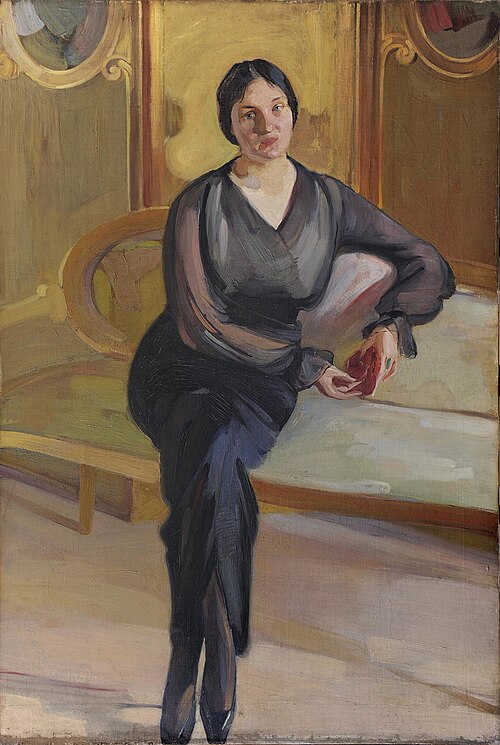
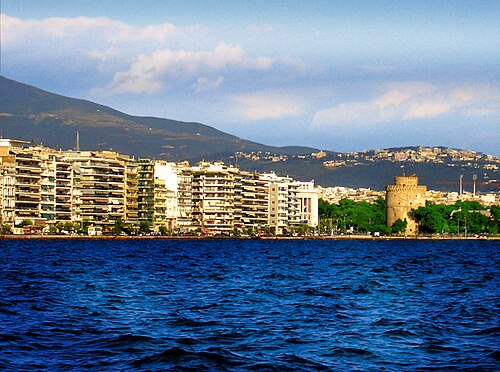
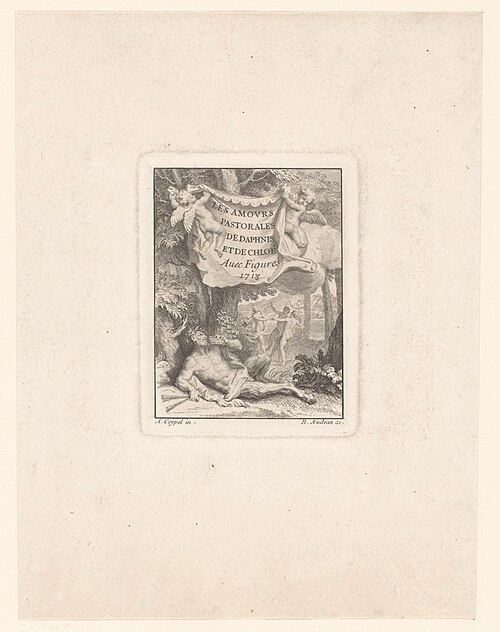
Public-domain pictures from Wikimedia Commons.
A line to remember
Δεν κάνουμε θέατρο για το θέατρο. Δεν κάνουμε θέατρο για να ζήσουμε. Κάνουμε θέατρο για να πλουτίσουμε τους εαυτούς μας, το κοινό που μας παρακολουθεί.
Den kanoume theatro gia to theatro. Den kanoume theatro gia na zisoume. Kanoume theatro gia na ploutisoume tous eaftous mas, to koino pou mas parakolouthei.
We do not make theatre for theatre's sake. We do not make theatre to earn a living. We make theatre to enrich ourselves and the audience that watches us.