Life
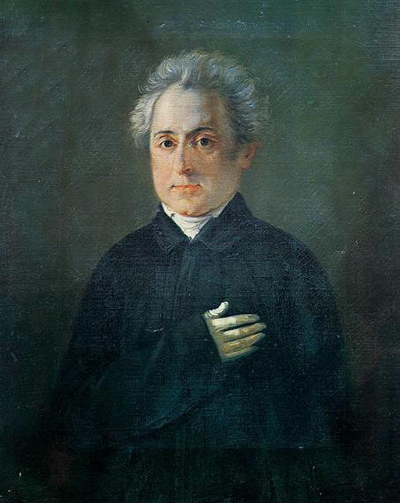
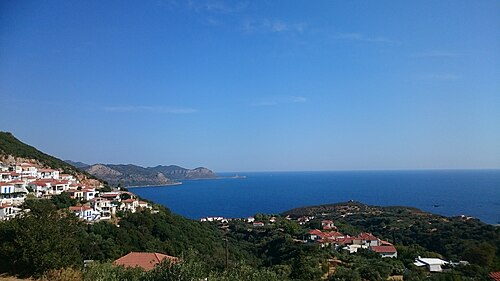
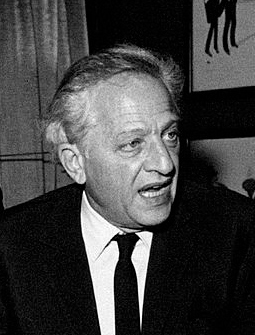
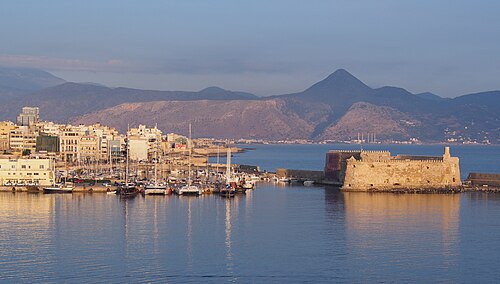
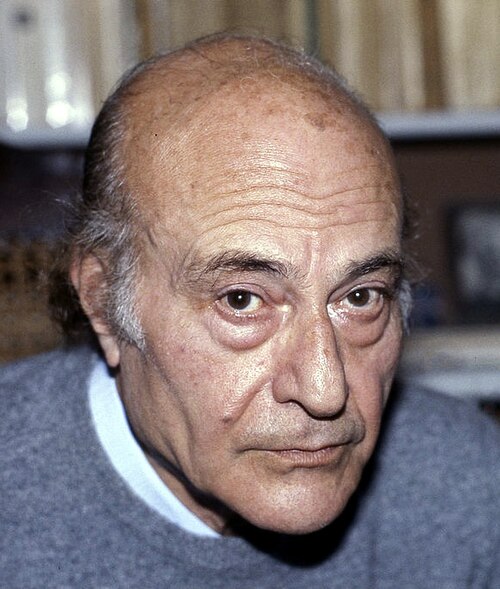
He was born Odysseas Alepoudelis in Heraklion, Crete, on 2 November 1911, the youngest child of a family from Lesbos that had made its money in soap manufacturing. The family moved to Athens in 1914, and the islands of the Aegean, Lesbos above all, were the landscape of his summers and later of his poems. He studied law without finishing, discovered French surrealism and the painters, and published his first poems in 1935 in the magazine Τα Νέα Γράμματα under the pen name Elytis, a name he chose so as not to be confused with the family business.
In the winter of 1940–41 he served as a second lieutenant on the Albanian front against the Italian invasion, an experience that produced the Άσμα ηρωικό και πένθιμο για τον χαμένο ανθυπολοχαγό της Αλβανίας (Heroic and Mournful Song for the Lost Second Lieutenant of Albania, 1945). After the war he lived for long periods in Paris (1948–52 and again 1969–71, during the dictatorship), where he befriended Picasso, Matisse and the surrealists, but Athens remained home.
The Nobel Prize in 1979 made him a public figure, which he disliked; he lived quietly in a flat on Skoufa street in Athens, made collages, translated Sappho and Rimbaud, and kept publishing until the end. He died in Athens on 18 March 1996 and was buried in the First Cemetery.
Works

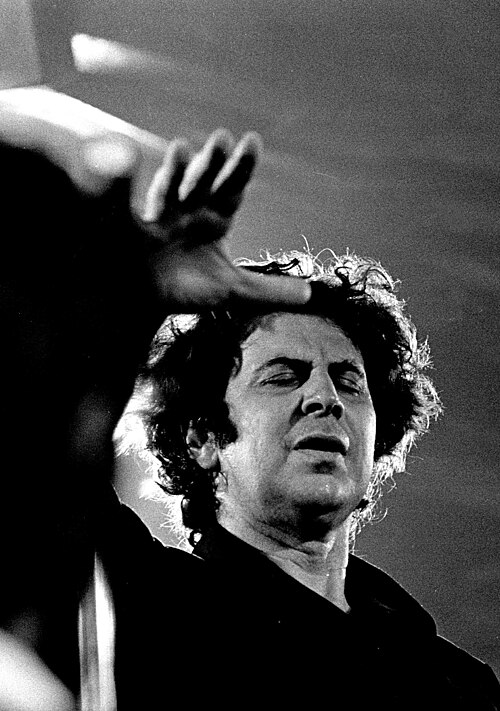
His first collections, Προσανατολισμοί (Orientations, 1940) and Ήλιος ο Πρώτος (Sun the First, 1943), are bright, surrealist poems about youth, the sea and the Aegean light. Then, after fourteen years of silence, came Το Άξιον Εστί (It Is Worthy, 1959), a long poem shaped like an Orthodox liturgy, in three parts, in which the poet's life, the war, the German occupation and the civil war are fused with the history of the Greek language and landscape. Its most famous lines, «Της δικαιοσύνης ήλιε νοητέ», «Ένα το χελιδόνι» and «Ναοί στο σχήμα τ' ουρανού», became Greece's best-known songs when Mikis Theodorakis set the poem as an oratorio in 1964, with Grigoris Bithikotsis singing.
Το Μονόγραμμα (The Monogram, 1972) is a single love poem in seven parts, the one with the refrain «Θα πενθώ πάντα, μ' ακούς; για σένα» (I will always mourn, do you hear? for you), and probably the most quoted Greek love poem of the twentieth century. Μαρία Νεφέλη (Maria Nefeli, 1978) is a dialogue between the poet and a young woman of the 1970s, and Ο Ήλιος ο Ηλιάτορας (The Sovereign Sun, 1971) and Τα Ρω του Έρωτα (The Rhos of Love, 1972) are short, song-like poems written to be set to music. Elytis's Greek is sensuous and precise: everyday words for sea, wind, stone and light are put next to words from Byzantine hymns and Homer, and the effect is a language that feels both ancient and freshly washed.
Legacy in Greece today
To meet Elytis, listen to Theodorakis's Άξιον Εστί: «Της δικαιοσύνης ήλιε νοητέ» and «Ένα το χελιδόνι» are sung at every Theodorakis concert and at countless demonstrations, and most Greeks know the tunes without remembering that the words are a Nobel poem. Theodorakis also set «Του μικρού βοριά» and «Μαρίνα» from the Μικρές Κυκλάδες cycle. Το Μονόγραμμα is read aloud at weddings and quoted on Valentine's cards. Pupils read Elytis in lyceum, especially the Άξιον Εστί and the poem about the lost lieutenant, and Athens, Heraklion and many other towns have a street named Οδυσσέα Ελύτη. The year 2011, the centenary of his birth, was declared the Year of Elytis in Greece, with exhibitions of his collages as well as his poems.
Did you know?
- His real surname was Alepoudelis; the pen name Elytis is said to bring together sounds from words he loved, such as Ελλάδα, ελπίδα, ελευθερία and Ελένη.
- He never finished a university degree and never held a regular job for long; he lived from the family business and later from his books.
- Elytis was also a visual artist: he made hundreds of collages from magazine clippings and old engravings, exhibited in Athens and abroad.
- The Nobel committee in 1979 praised his poetry for depicting modern man's struggle for freedom and creativity against the background of Greek tradition.
Key works
| Greek title | Title | Year |
|---|---|---|
| Προσανατολισμοί | Orientations | 1940 |
| Ήλιος ο Πρώτος | Sun the First | 1943 |
| Άσμα ηρωικό και πένθιμο για τον χαμένο ανθυπολοχαγό της Αλβανίας | Heroic and Mournful Song for the Lost Second Lieutenant of Albania | 1945 |
| Το Άξιον Εστί | It Is Worthy (The Axion Esti) | 1959 |
| Το Μονόγραμμα | The Monogram | 1972 |
| Μαρία Νεφέλη | Maria Nefeli | 1978 |
From the works


Public-domain pictures from Wikimedia Commons.
A line to remember
Της δικαιοσύνης ήλιε νοητέ / και μυρσίνη συ δοξαστική
Tis dikaiosynis ilie noite / kai myrsini sy doxastiki
Sun of justice, seen by the mind, / and you, myrtle of glory