Life
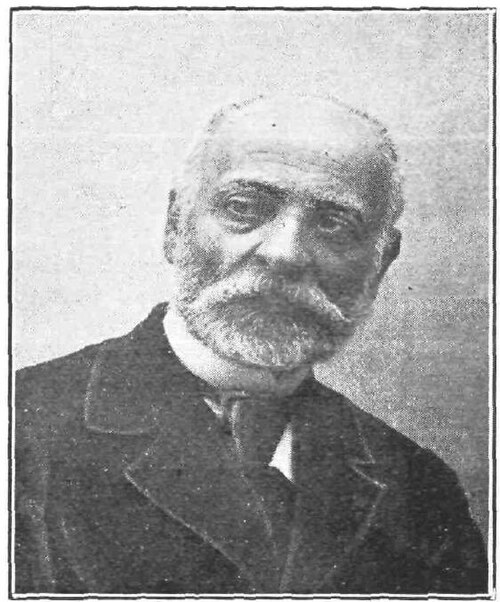
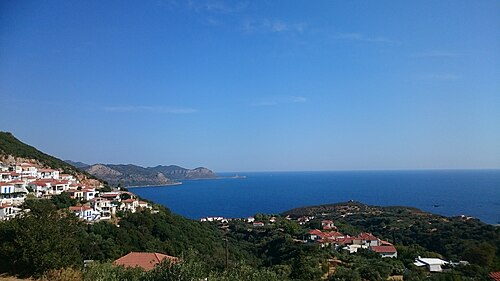
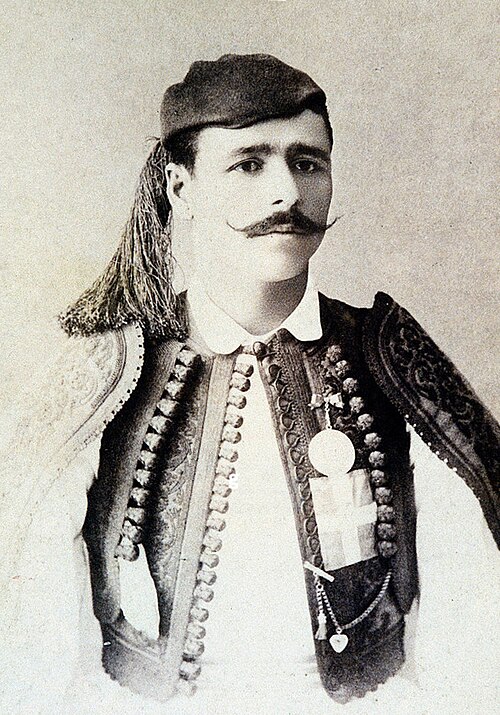
Spyros Louis was born on 12 January 1873 in Marousi (Amarousio), then a farming village north of Athens known for its spring water. His father sold Marousi water in the city, and the son helped him carry it, which is why every account calls him a water-carrier, though he also farmed and had served in the army. A former officer of his, Colonel Papadiamantopoulos, encouraged him to enter the marathon trials held before the Games.
The first modern Olympic Games opened in Athens in April 1896, and the marathon, a brand-new event suggested by the French scholar Michel Bréal to honour the legend of the messenger who ran from Marathon to Athens in 490 BC, was run on 10 April (29 March in the Julian calendar then used in Greece). Greece had won nothing in athletics, and the whole city waited for the race. Louis, 23 years old, overtook the foreign favourites in the last kilometres and entered the Panathenaic Stadium alone; Crown Prince Constantine and Prince George ran beside him over the final metres, and the crowd shouted his name.
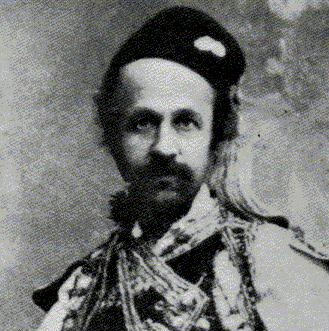
He went home to Marousi and never competed again. He is said to have asked the king for nothing more than a horse and cart (in another version a donkey) to help him carry water, and the story, true or not, is the one every Greek tells. In 1936, at 63, he was invited as a guest of honour to the Berlin Games, where he wore the traditional fustanella and presented an olive branch from Olympia. He died in Marousi on 26 March 1940.
Works

Louis did one thing, and did it on the one day that mattered. The 1896 marathon was the first ever run: about 40 kilometres on dirt roads from the village of Marathon to the marble stadium in Athens, with seventeen starters, most of them Greek. The Frenchman Albin Lermusiaux led early, then the Australian Edwin Flack, who had already won the 800 and 1,500 metres. Both broke down in the heat, and Louis, who had reportedly stopped for a glass of wine at Pikermi, passed them one after another. His time, 2:58:50, was more than seven minutes ahead of the second runner, Charilaos Vasilakos, and nine Greeks finished in the first ten places after the Hungarian Gyula Kellner.
The victory mattered far beyond sport. Greece had put its scarce money into reviving the Games, foreign athletes had taken most of the medals, and a Greek winning the event invented in honour of Greek legend made the whole undertaking feel worthwhile; Pierre de Coubertin, founder of the Games, wrote that the marathon had secured their future. Louis received the silver winner's medal (there were no gold medals in 1896), an olive branch, and the silver cup offered by Michel Bréal himself. That Bréal Cup stayed in the family until 2012, when his grandson sold it at auction in London for a record 541,250 pounds; the Stavros Niarchos Foundation bought it so that it would come home, and it is now shown in Athens.
Legacy in Greece today
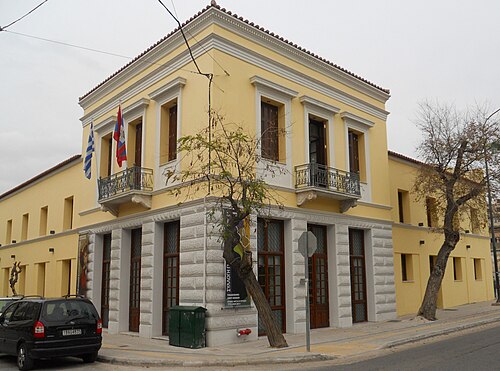
Louis is the reason Greeks call anyone who dashes off a «Λούης»: «έγινε Λούης» (he became Louis) means he ran away at top speed, and «τρέχει σαν τον Λούη» is said of a fast runner. The main stadium of the Athens Olympic Sports Complex in Marousi, where the 2004 Games were held, is the Olympic Stadium «Spyros Louis», so his name is heard on every football Saturday. In Marousi a street, a square and a statue carry his name, and a boulevard beside the Olympic park in Munich is called Spiridon-Louis-Ring. The Bréal Cup he won can be seen at the Stavros Niarchos Foundation Cultural Center in Athens, and the fustanella he wore in Berlin is kept in the National Historical Museum. The Athens Marathon still follows his route from Marathon to the Panathenaic Stadium every November.
Did you know?
- There was no gold medal in 1896: winners received a silver medal, a diploma and an olive branch, and Louis also received Michel Bréal's silver cup.
- His Bréal Cup, sold in London in 2012 for 541,250 pounds, set a record price for a piece of Olympic memorabilia; it has since been displayed at the Acropolis Museum and the Louvre.
- Louis never ran another competitive race after 10 April 1896.
- He appears in Leni Riefenstahl's film Olympia (1938), in fustanella, holding the olive branch he brought to Berlin in 1936.
Key works
| Greek title | Title | Year |
|---|---|---|
| Νίκη στον Μαραθώνιο των πρώτων Ολυμπιακών Αγώνων | Victory in the marathon of the first modern Olympic Games, Athens | 1896 |
| Το Κύπελλο Μπρεάλ | The Bréal Cup, the marathon winner's silver cup | 1896 |
| Επίτιμος προσκεκλημένος στους Ολυμπιακούς Αγώνες του Βερολίνου | Guest of honour at the Berlin Olympic Games, carrying an olive branch from Olympia | 1936 |
| Ολυμπιακό Στάδιο «Σπύρος Λούης» | The Athens Olympic Stadium named after him | 1982 |
From the works


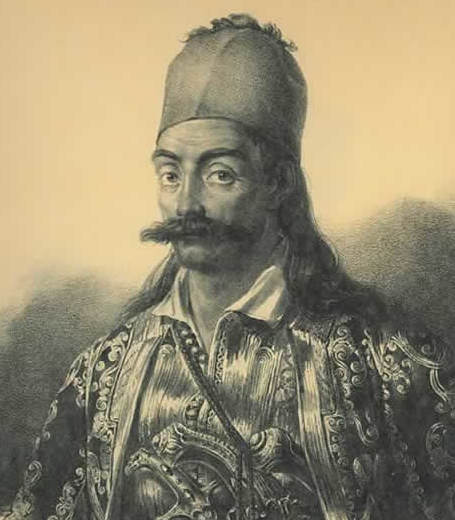
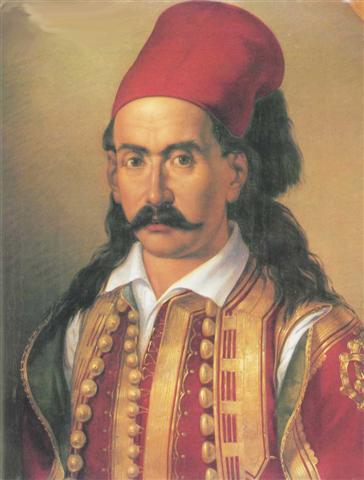
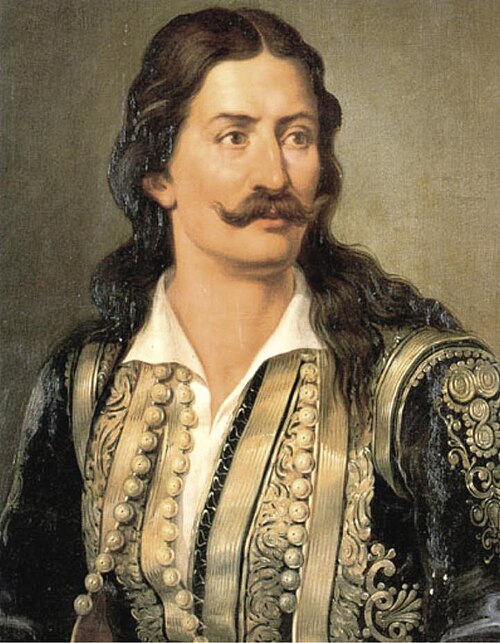
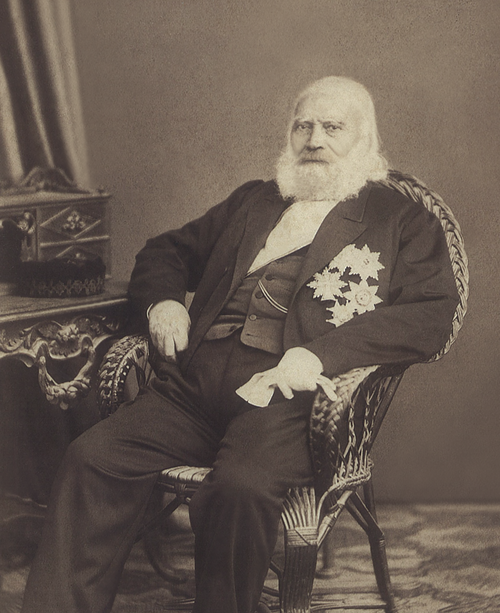
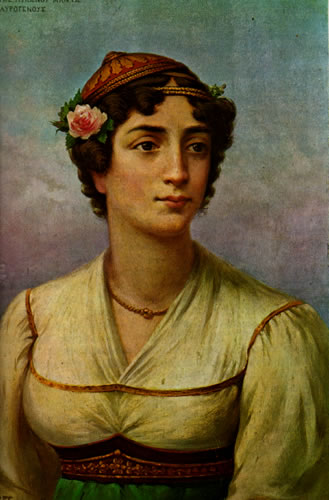
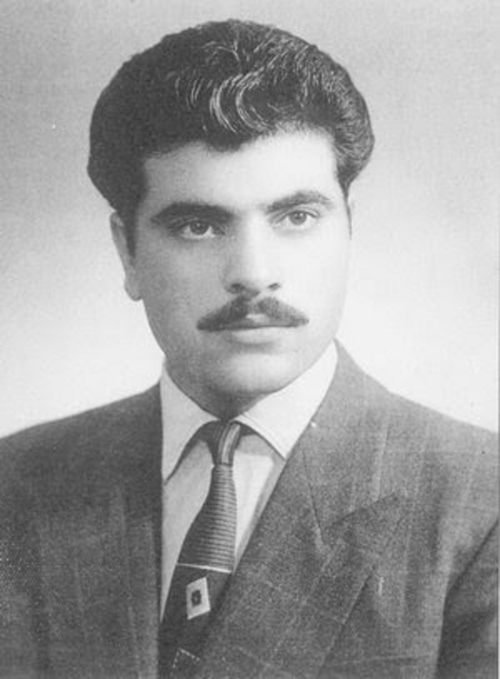
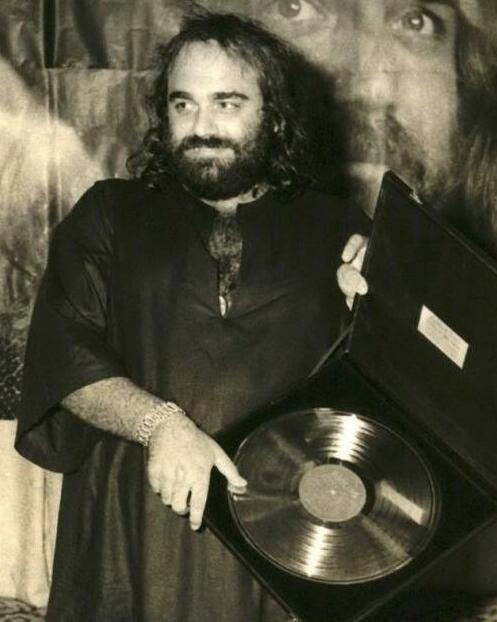
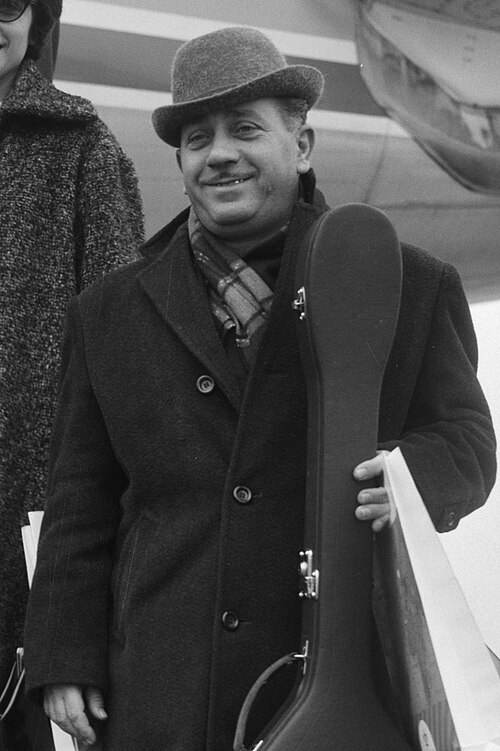
Public-domain pictures from Wikimedia Commons.
A line to remember
Έγινε Λούης!
Egine Louis!
He became Louis! (he ran off like the wind)