Life
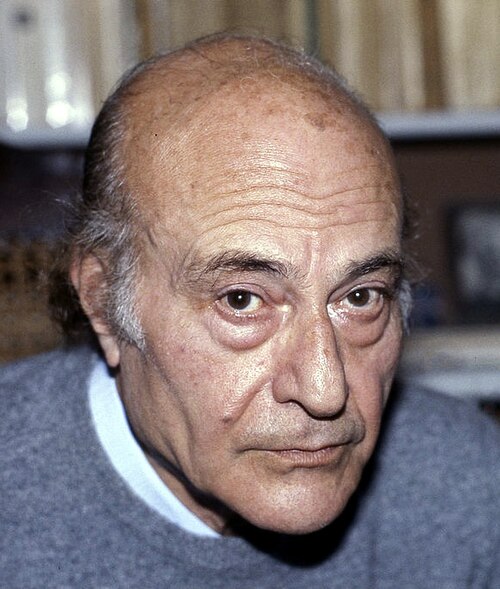
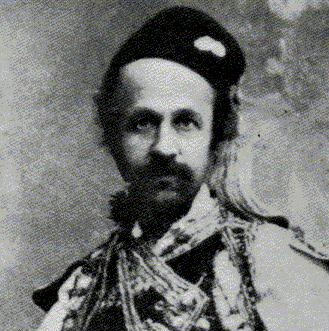
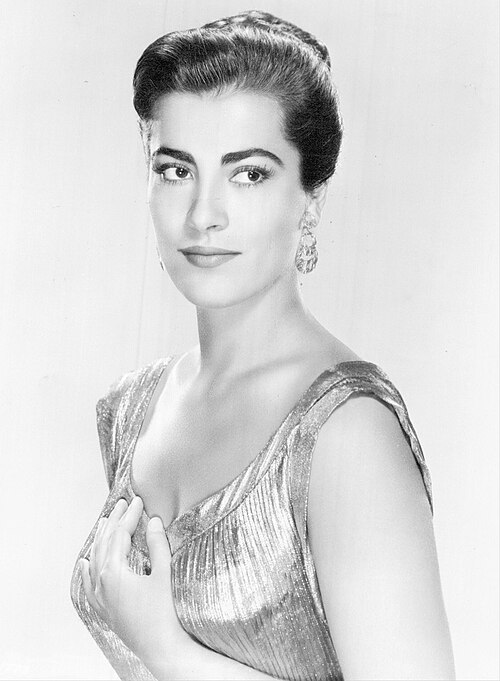
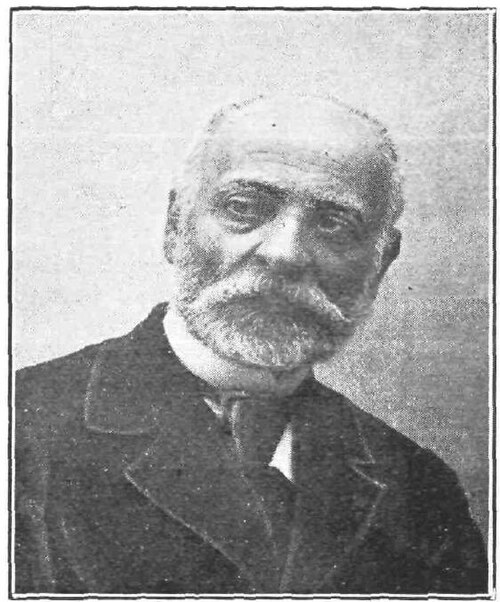
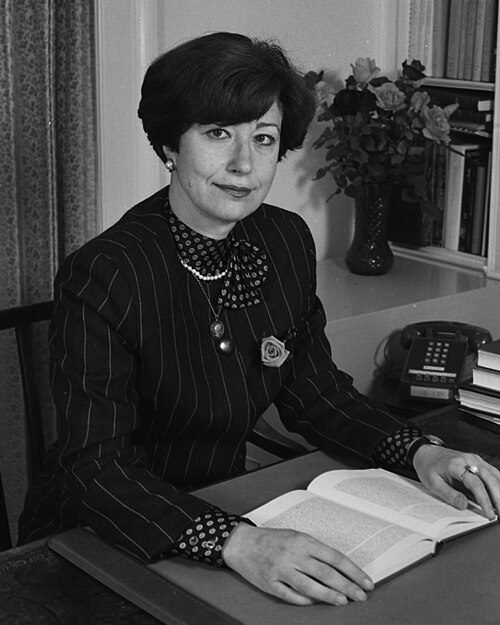
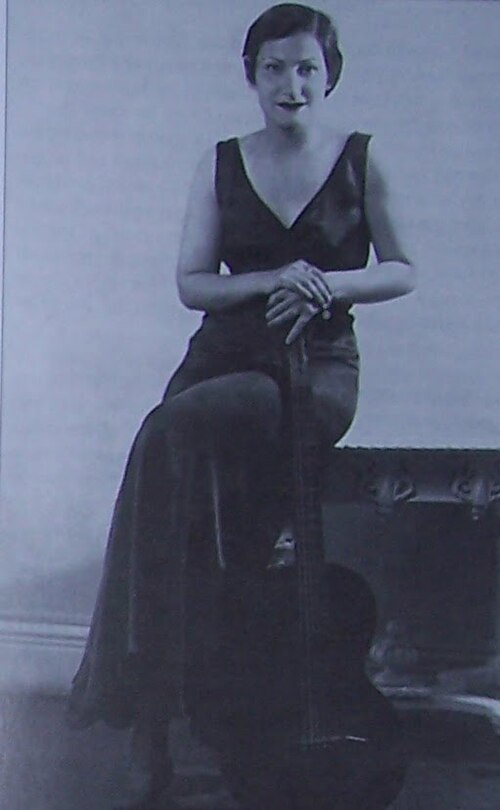
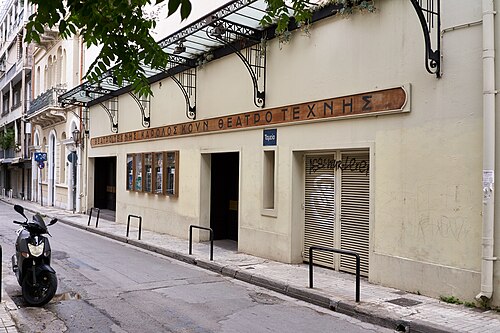
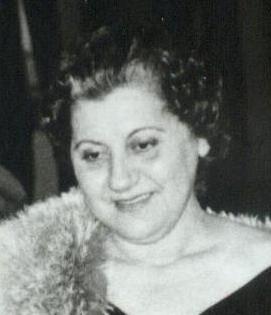
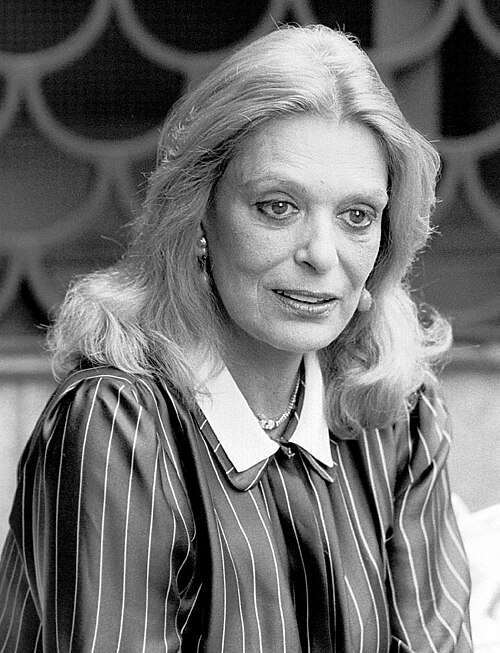
Maria Amalia Mercouri was born in Athens on 18 October 1920 into a political family: her grandfather Spyridon Mercouris was mayor of Athens for many years and her father Stamatis was a member of parliament and minister. She studied at the drama school of the National Theatre and made her stage debut in the 1940s, playing in Athens in works by Tennessee Williams and others under the director Karolos Koun. Her first film, Στέλλα (Stella, 1955) by Michael Cacoyannis, took her to the Cannes festival, where she met the American director Jules Dassin, who became her partner and, in 1966, her husband.
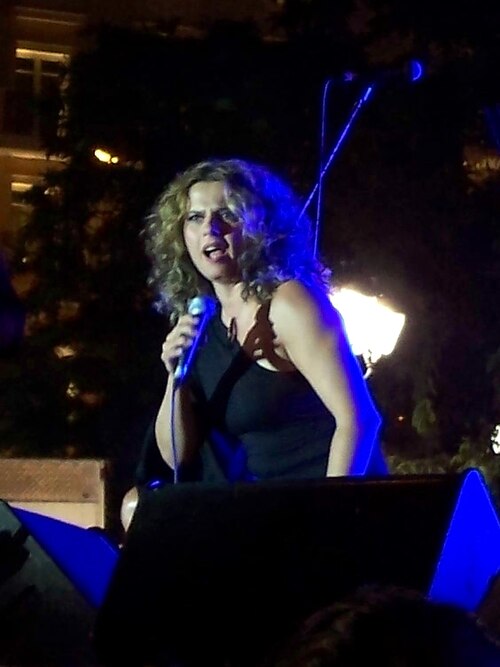
With Dassin she made Ποτέ την Κυριακή (Never on Sunday, 1960), which won her the Best Actress award at Cannes and an Oscar nomination, and later Phaedra (1962) and Topkapi (1964). She was an international star, living between Athens, Paris and New York, when the colonels seized power in Greece in April 1967. Mercouri, abroad at the time, became the loudest voice against the dictatorship, giving concerts and interviews all over Europe and America. The junta took away her Greek citizenship; her answer, that she was born Greek and would die Greek, became famous.
She returned to Greece in 1974, joined Andreas Papandreou's PASOK and was elected to parliament for Piraeus in 1977. From 1981 to 1989 and again from 1993 she was Minister of Culture, the first woman in the post. She died of lung cancer in New York on 6 March 1994, and her funeral in Athens, with honours of a prime minister, drew enormous crowds into the streets.
Works

As an actress Mercouri had a big, warm, husky presence rather than a delicate technique. In Στέλλα she is a singer in a Plaka tavern who refuses to marry the man who loves her, and the film ends in tragedy; the songs by Manos Hadjidakis, including «Αγάπη που 'γινες δίκοπο μαχαίρι» (Love, You Became a Two-edged Knife), made the film a Greek classic. In Ποτέ την Κυριακή she plays Ilia, a cheerful prostitute of Piraeus whom an American scholar tries to educate; the film was a worldwide hit, and its song «Τα παιδιά του Πειραιά» (The Children of Piraeus), again by Hadjidakis, won the Academy Award for Best Original Song, the first Greek song to do so. She also recorded albums in Greek, French and English, including «Χάρτινο το φεγγαράκι» (Paper Moon), which she had first sung on stage in 1949.
Her political work had the same scale. As Minister of Culture she started the campaign for the return of the Parthenon Marbles held in the British Museum since the early nineteenth century, arguing in a celebrated debate at the Oxford Union in 1986 that the sculptures were not decoration but the soul of a people. She proposed the idea of a European City of Culture, a different city each year celebrating its heritage; Athens was the first in 1985, and the programme, now the European Capital of Culture, continues. She also pushed for the unification of the archaeological sites of Athens and for a new Acropolis Museum, both completed after her death.
Legacy in Greece today
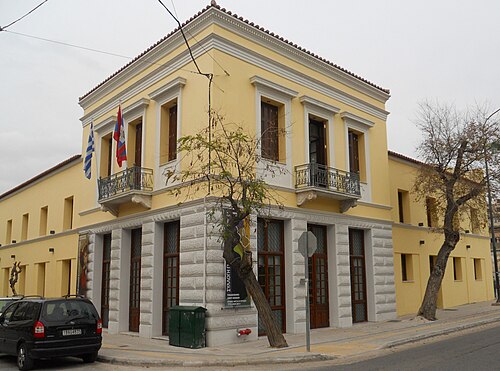
The Acropolis Museum, opened in 2009 at the foot of the Acropolis, is the building she asked for, with an empty space waiting for the Marbles; her bust stands at the start of the pedestrian street Dionysiou Areopagitou that leads to it. The Melina Mercouri Foundation keeps her archive, and the Melina Mercouri Cultural Centre in Thiseio hosts exhibitions. Many Greek towns have a street or square named after her, and an international UNESCO-Greece prize for cultural landscapes carries her name. A learner should watch Ποτέ την Κυριακή, listen to «Τα παιδιά του Πειραιά», with its easy, repeated chorus, and «Χάρτινο το φεγγαράκι», and visit the Acropolis Museum, where her campaign is still being fought today. Her phrase about being born Greek and dying Greek is still quoted whenever Greeks talk about identity and exile.
Did you know?
- «Τα παιδιά του Πειραιά» won the Oscar for Best Original Song in 1961, the only Greek-language song ever to do so.
- She shared the Cannes Best Actress award in 1960 with Jeanne Moreau and was nominated for the Oscar for the same role.
- The junta stripped her of her citizenship in 1967; she answered that she was born Greek and would die Greek, while the minister who signed the order was born a fascist and would die one.
- Athens was the first European City of Culture in 1985 because Mercouri, as minister, invented the idea.
Key works
| Greek title | Title | Year |
|---|---|---|
| Στέλλα | Stella (film by Michael Cacoyannis) | 1955 |
| Ποτέ την Κυριακή | Never on Sunday (film by Jules Dassin) | 1960 |
| Τοπκαπί | Topkapi (film) | 1964 |
| Υπουργός Πολιτισμού | Minister of Culture of Greece | 1981–89, 1993–94 |
| Αθήνα, πρώτη Πολιτιστική Πρωτεύουσα της Ευρώπης | Athens, first European City of Culture | 1985 |
| Ομιλία στο Oxford Union για τα Γλυπτά του Παρθενώνα | Oxford Union speech on the Parthenon Marbles | 1986 |
From the works


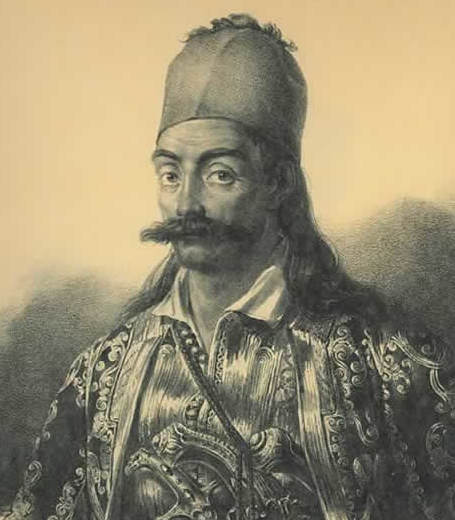
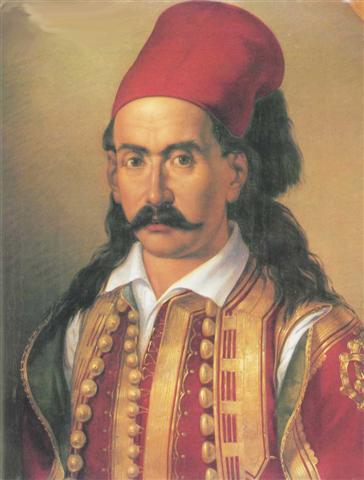
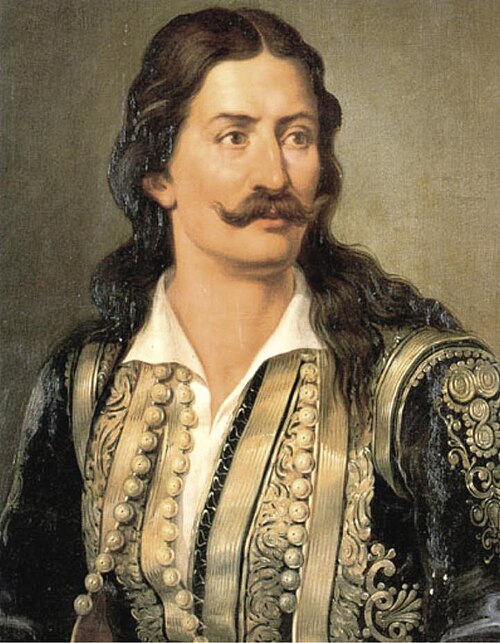
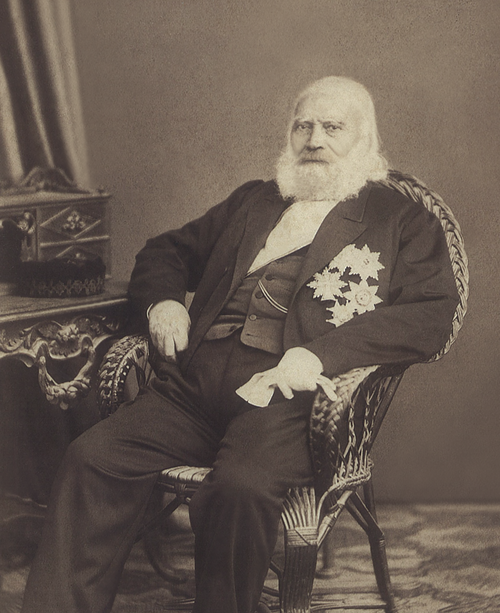
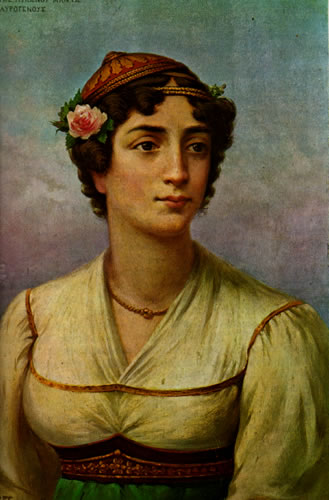
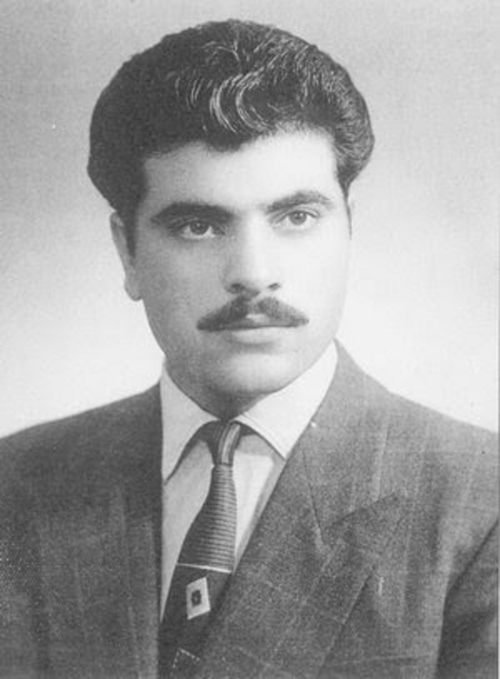
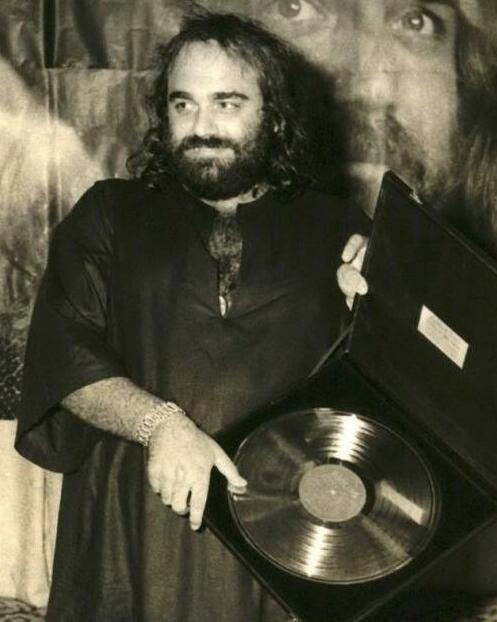
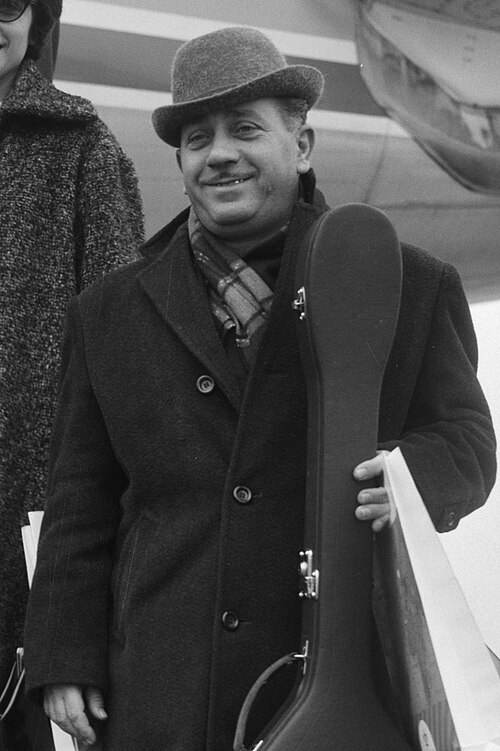
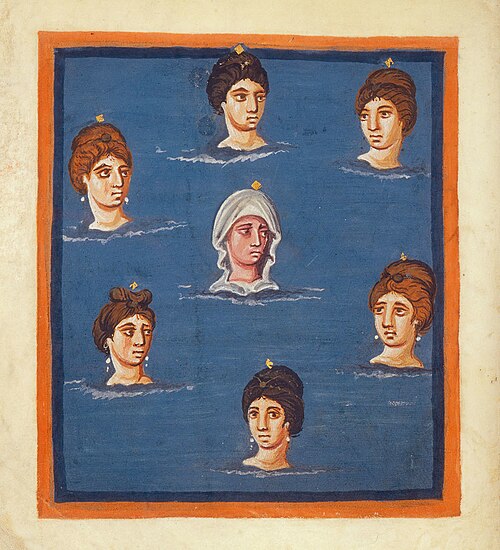
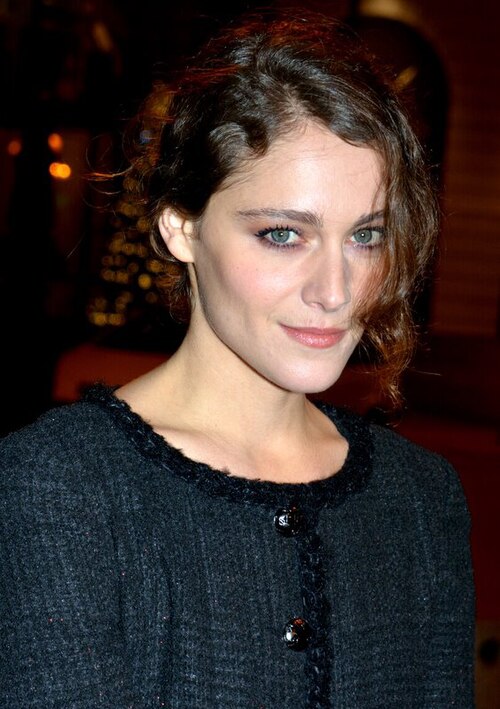
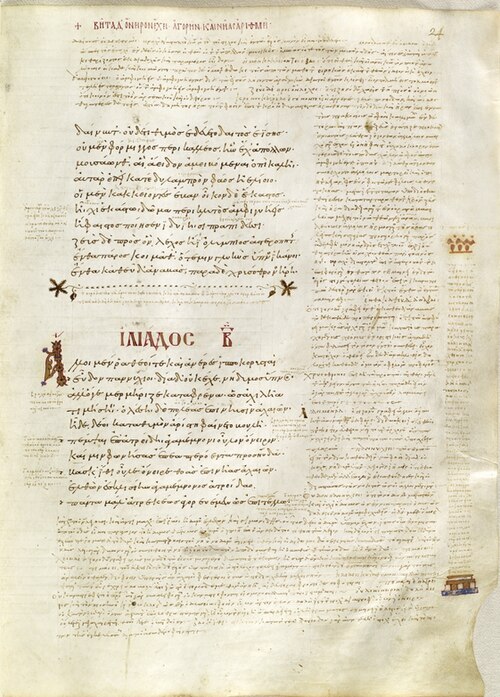
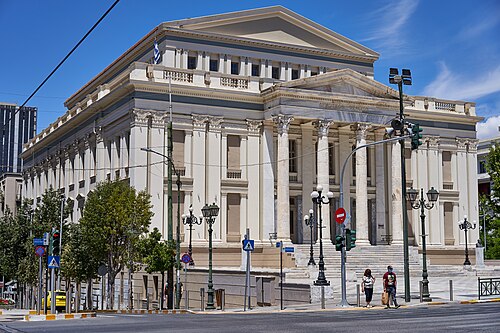
Public-domain pictures from Wikimedia Commons.
A line to remember
Γεννήθηκα Ελληνίδα και θα πεθάνω Ελληνίδα.
Gennithika Ellinida kai tha pethano Ellinida.
I was born Greek and I will die Greek.