grecfacilegrecfacile
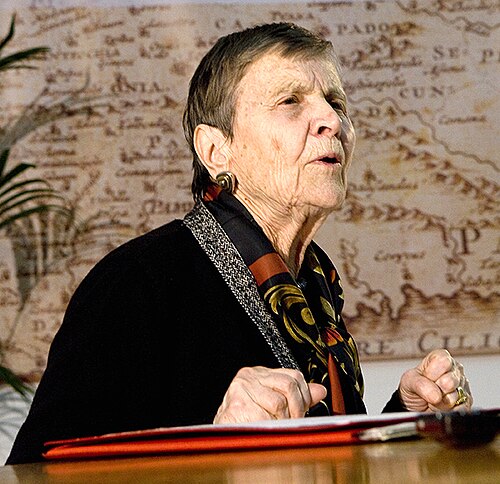
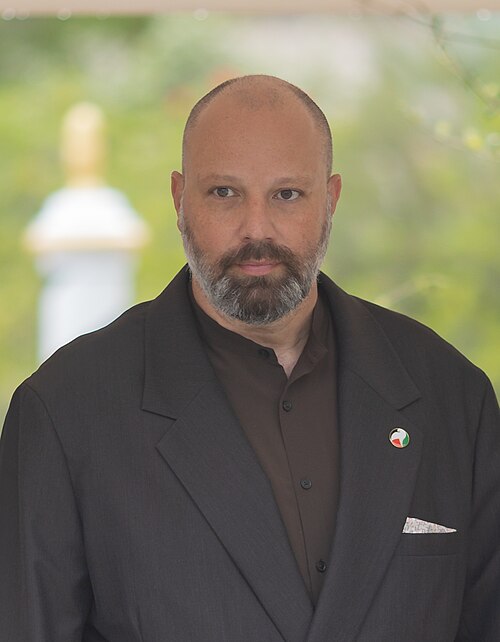
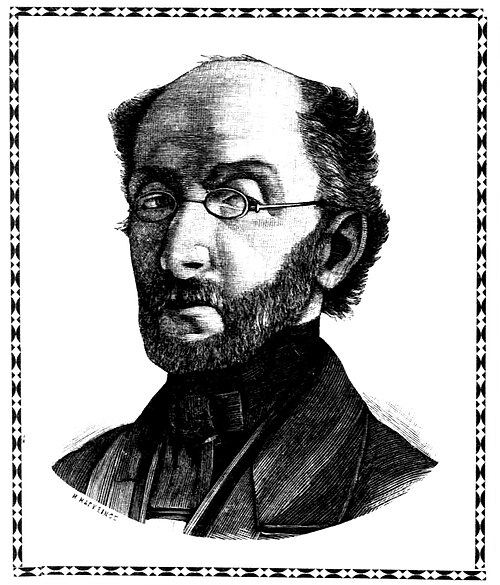
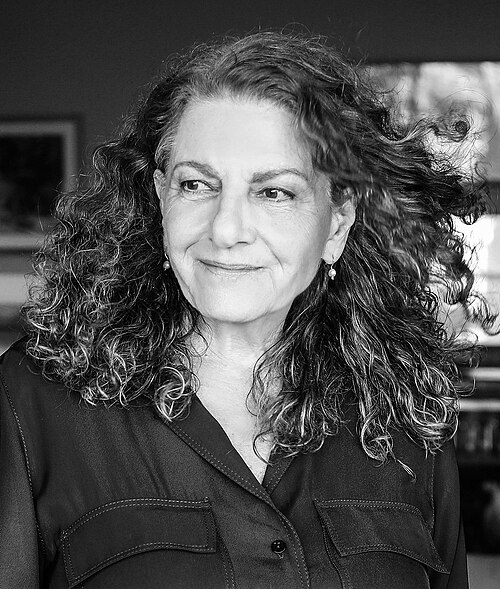
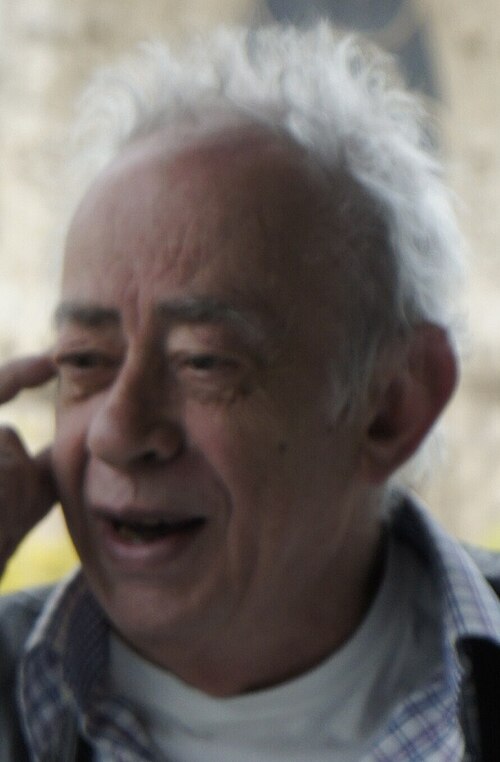
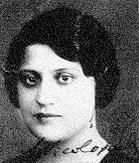
Dido Sotiriou
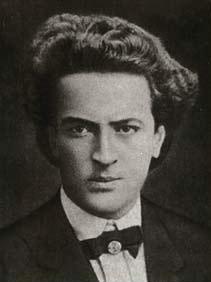
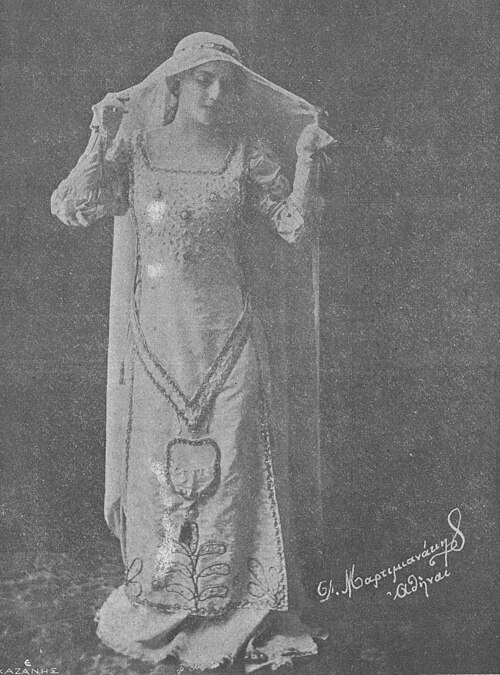
Unknown author · Public domain · Wikimedia Commons

B2Modern Greece · Novelist

Dido Sotiriou

Διδώ Σωτηρίου

1909 – 2004 · Aydın (Asia Minor); Athens

Dido Sotiriou (Διδώ Σωτηρίου, 1909–2004) was born in Aydın in Asia Minor and lost her homeland at thirteen, in the Catastrophe of 1922. Forty years later she turned that loss into «Ματωμένα χώματα» (Bloodied Earth, known in English as Farewell Anatolia, 1962), the life of a Greek farmer from a village near Ephesus, from the peaceful years to the burning of Smyrna. Read in every Greek school and translated into Turkish, it is the book through which Greeks remember Anatolia.

Life

Dido Pappa, later Sotiriou by marriage, was born on 18 February 1909 in Aydın, the Greek Αϊδίνι, a prosperous town inland from Smyrna where her father had a factory. The family's world ended in 1922, when the Greek army's campaign in Asia Minor collapsed and more than a million Greeks of Anatolia fled or were expelled. The Pappas reached Athens ruined, and Dido grew up in the house of a wealthy aunt, who paid for her schooling and later for studies in French literature at the French Institute of Athens and in Paris.

From the 1930s she worked as a journalist, in women's magazines and the left-wing press. She joined the Communist Party, took part in the Resistance during the Occupation and remained on the Left all her life, later as a member of the EDA party and a writer for the newspaper Avgi. Her younger sister Elli Pappa was the companion of Nikos Beloyannis, the communist leader executed in 1952, and that story became her novel «Εντολή» (Command, 1976).

She began writing fiction only at fifty, with «Οι νεκροί περιμένουν» (The Dead Are Waiting, 1959), and «Ματωμένα χώματα» followed in 1962. In 1990 she received the Abdi İpekçi Prize for Greek–Turkish friendship. She died in Athens on 23 September 2004, aged ninety-five, a small, sharp woman who had become something like the grandmother of the refugee memory of Greece.

Works

«Οι νεκροί περιμένουν» (1959) is the autobiographical novel of a refugee family: the comfortable life in Aydın, the flight of 1922, the poverty of Athens and the political awakening of a girl who becomes a communist. It introduced the two subjects of all her work, Asia Minor and the Left, and it already has her voice, direct and unsentimental.

«Ματωμένα χώματα» (1962) is told in the first person by Manolis Axiotis, a farmer from Kırkıca (now Şirince), a Greek village in the hills above Ephesus. The first part is an idyll: harvests, feasts, figs and olives, Greeks and Turks living side by side with the small frictions of neighbours. Then the First World War sends the Greek men of the Ottoman Empire to the labour battalions (αμελέ ταμπουρού), where many die of hunger and cold; Manolis survives, deserts, hides. In 1919 the Greek army lands in Smyrna and he is conscripted, now as a soldier; the book follows the advance into Anatolia and the rout of August 1922 to the quays of burning Smyrna. Sotiriou built the novel on the notes of a real man, Manolis Axiotis, who had lived this life and gave her his manuscript. Her point of view is clear and was unusual in Greece at the time: the peasants on both sides are victims, and the guilt lies with the Great Powers and the politicians who sent them to kill each other. The farewell to Anatolia on the last page is addressed to a Turkish friend as much as to the lost land.

«Εντολή» (1976) reconstructs the last months of Nikos Beloyannis, from his trial to the firing squad; she also wrote essays on the Asia Minor question and its causes.

Legacy in Greece today

«Ματωμένα χώματα» has been reprinted continuously since 1962, is read in excerpts in Greek lyceum anthologies and is the book Greeks hand to foreigners who ask about Asia Minor. In Turkey it appeared in 1970 as «Benden Selam Söyle Anadolu'ya» (Give My Greetings to Anatolia) and has been read there ever since, which is why she is one of the few Greek writers with a Turkish readership. The village of Şirince, the Kırkıca of the novel, is now a tourist destination near Ephesus, and Greek visitors arrive with the book in their bags. A learner who has read the novel will understand why refugee neighbourhoods in Athens and Thessaloniki bear names like Nea Smyrni and Nea Ionia, and why the songs of Asia Minor still fill Greek tavernas. The site's pages on Venizelos and on Myrivilis, who fought in the same campaign, complete the picture.

Did you know?

  • The narrator Manolis Axiotis was a real person: he gave Sotiriou the notebooks of his life, and she turned them into the novel.
  • She published her first novel at fifty, after a career in journalism, and wrote her most famous book at fifty-three.
  • The Turkish edition of 1970 made her a known name in Turkey, and in 1990 she received the Abdi İpekçi Prize, named after a murdered Turkish journalist, for her contribution to Greek–Turkish understanding.
  • Her sister Elli Pappa was the companion of Nikos Beloyannis, «the man with the carnation», and Sotiriou's novel «Εντολή» tells his story from inside the family.

Key works

Greek titleTitleYear
Οι νεκροί περιμένουνThe Dead Are Waiting (novel)1959
ΗλέκτραElectra (novel)1961
Ματωμένα χώματαBloodied Earth / Farewell Anatolia (novel)1962
ΕντολήCommand (novel on Beloyannis)1976

A line to remember

Ματωμένα χώματα

Matomena chomata

Bloodied earth
Title of her 1962 novel, now the Greek shorthand for the lost Asia Minor
B2

Read about Dido Sotiriou in Greek (B2)

Words from the passage

  • refugee
  • catastrophe, destruction
  • farmer
  • campaign, expedition
  • journalist
  • I pay
  • I teach
  • peaceful

Test yourself: 4 words from this page

1 / 4

What does this word mean?

Want to learn Greek?Start learning Greek

Others at level B2

Modern Greece · PoetKiki Dimoula1931 – 2020Modern Greece · PoetAngelos Sikelianos1884 – 1951Antiquity · TragedianEuripidesc. 480 BC – 406 BCModern Greece · PoetKostis Palamas1859 – 1943Modern Greece · Short-story writer and poetGeorgios Vizyinos1849 – 1896Antiquity · Historian and soldierXenophonc. 430 BC – c. 354 BCAntiquity · Biographer and essayistPlutarchc. 46 – c. 120Antiquity · PhilosopherHeraclitusc. 535 BC – c. 475 BCAntiquity · StatesmanPericlesc. 495 BC – 429 BCModern Greece · StatesmanEleftherios Venizelos1864 – 1936Modern Greece · First Governor of GreeceIoannis Kapodistrias1776 – 1831Modern Greece · PoetLorentzos Mavilis1860 – 1912Modern Greece · Novelist, short-story writerAndreas Karkavitsas1865 – 1922Modern Greece · Film and theatre directorMichael Cacoyannis1922 – 2011Modern Greece · ComposerVangelis1943 – 2022Modern Greece · Playwright and lyricistIakovos Kambanellis1922 – 2011Modern Greece · Prime minister, reformerCharilaos Trikoupis1832 – 1896Modern Greece · Novelist, essayistGiorgos Theotokas1905 – 1966Modern Greece · NovelistPantelis Prevelakis1909 – 1986Modern Greece · PoetTasos Livaditis1922 – 1988Modern Greece · MathematicianConstantin Carathéodory1873 – 1950Modern Greece · PainterKonstantinos Parthenis1878 – 1967Modern Greece · PainterYannis Moralis1916 – 2009Modern Greece · SculptorTakis (Panagiotis Vassilakis)1925 – 2019Modern Greece · ConductorDimitri Mitropoulos1896 – 1960Modern Greece · Stage actressMarika Kotopouli1887 – 1954Modern Greece · Writer, art criticZacharias Papantoniou1877 – 1940Modern Greece · ArchaeologistSpyridon Marinatos1901 – 1974Modern Greece · BenefactorEvangelos Zappas1800 – 1865Modern Greece · Rock singer, songwriterPavlos Sidiropoulos1948 – 1990Modern Greece · Rebetiko composer, bouzoukiYannis Papaioannou1913 – 1972Modern Greece · ChemistLeonidas Zervas1902 – 1980Modern Greece · ArchaeologistGeorge Mylonas1898 – 1988Modern Greece · PainterAglaia Papa1904 – 1984Antiquity · Choral poetAlcmanModern Greece · Stage actressAmalia MoutousiModern Greece · Choreographer · dancerAngeliki Stellatou1963Antiquity · Literary compilerAthenaeus2nd c. ADAntiquity · Biographer · history of philosophyDiogenes Laertius3rd c. ADModern Greece · Historian · ByzantinistEleni Glykatzi-Arveler1926 – 2026Modern Greece · AutobiographerElisavet Moutzan-Martinengou1801 – 1832Antiquity · Comic poetEpicharmusc. 540 BC – c. 460 BCModern Greece · Novelist · poetErsi Sotiropoulou1953Modern Greece · Novelist; short-story writerGalateia Saranti1920 – 2009Modern Greece · Film director · screenwriterYorgos Lanthimos1973Modern Greece · Speculative novelist and storytellerIoanna Bourazopoulou1968Modern Greece · Actress · theatre managerKakia Analyti1934 – 2002Modern Greece · Stage and TV actorKatia Dandoulaki1948Antiquity · Bronze sculptorLysipposModern Greece · Actress · acting teacherMary Aronic. 1914 – 1992Modern Greece · NovelistMargarita Karapanou1946 – 2008Modern Greece · Poet, playwright and translatorMaria Laina1947 – 2023Modern Greece · Singer · songwriterMaria PapageorgiouModern Greece · Novelist · essayistMaro Vamvounaki1948Modern Greece · Poet; translatorMatsi Hatzilazarou1914 – 1987Modern Greece · Singer · composerMichalis Hatzigiannis1978Modern Greece · Composer and music teacherNikolaos Mantzaros1795 – 1872Modern Greece · Film directorNikos Panagiotopoulos1941 – 2016Modern Greece · Painter · sculptorOpy Zouni1941 – 2008Antiquity · Historian · political inquiryPolybiusc. 200 BC – c. 118 BCModern Greece · Novelist · historical fictionRea Galanaki1947Modern Greece · Novelist · playwrightRina Katselli1938 – 2021Modern Greece · Poet · translatorRita Boumi-Papa1906 – 1984Modern Greece · Stage actress · director · translatorSofia FilippidouAntiquity · Lyric poetStesichorusc. 630 BC – c. 555 BCModern Greece · Novelist · short-story writerTatiana Gritsi-Milliex1920 – 2005Modern Greece · Novelist · journalistVassilis Alexakis1943 – 2021Antiquity · Philosopher · Stoic founderZeno of Citiumc. 334–333 BC – c. 262–261 BCModern Greece · Film and stage actressZoe Laskaric. 1942 – 2017Modern Greece · Novelist · short-story writerZyranna Zateli1951

All personalities →