grecfacilegrecfacile
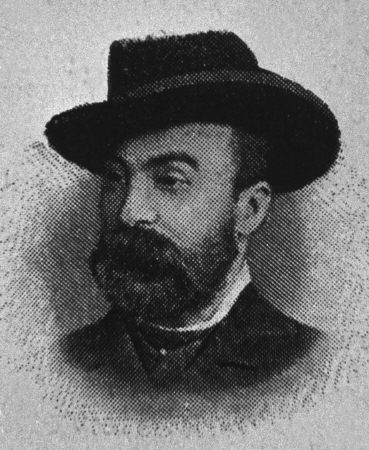
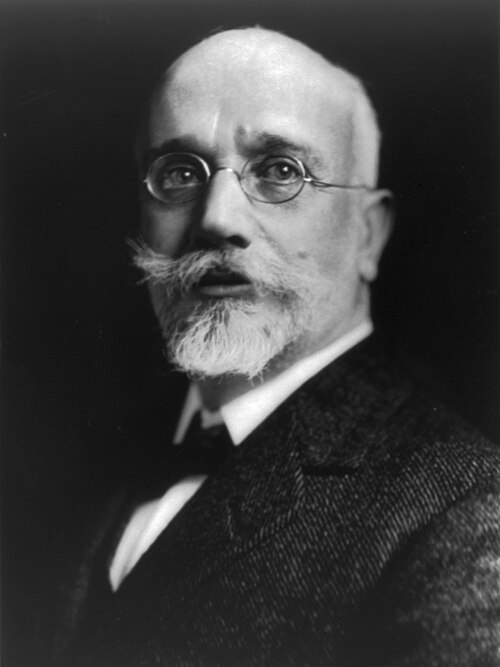
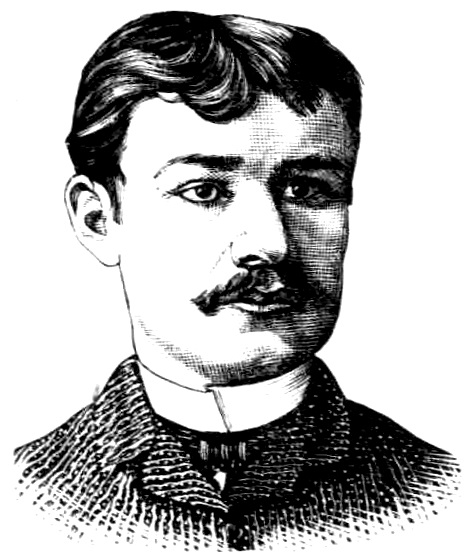
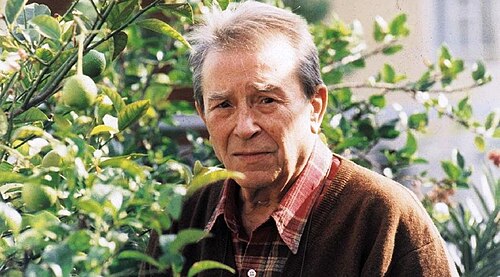
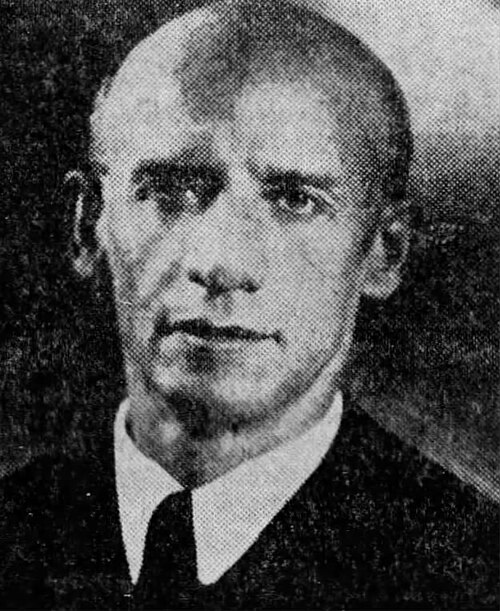
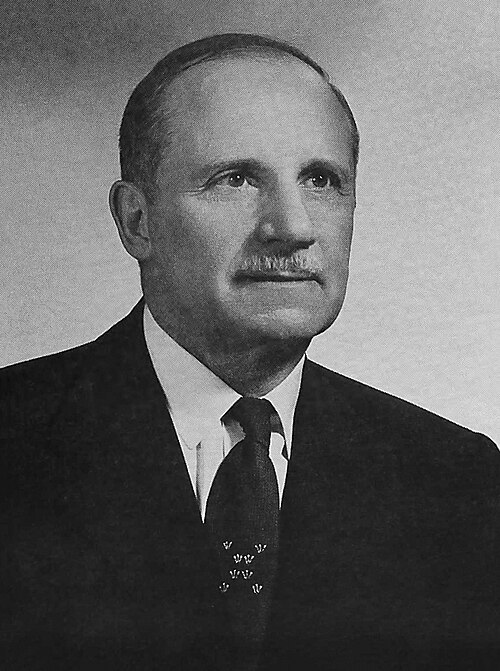
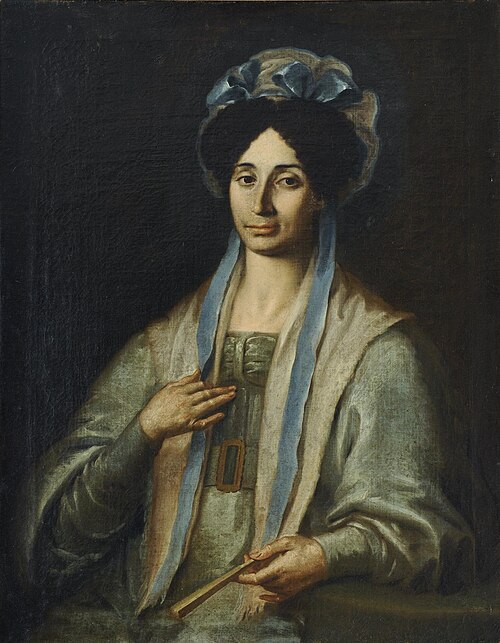
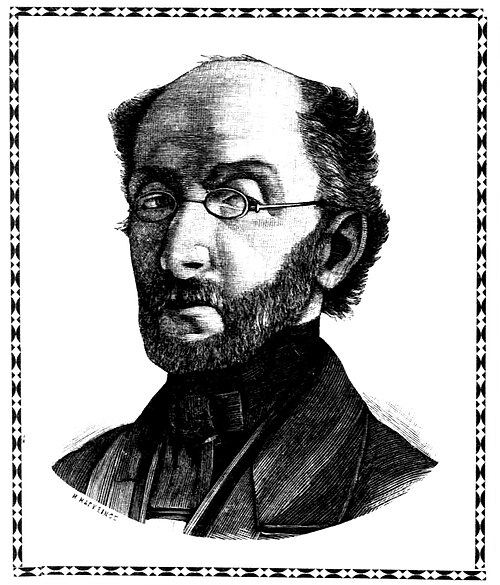
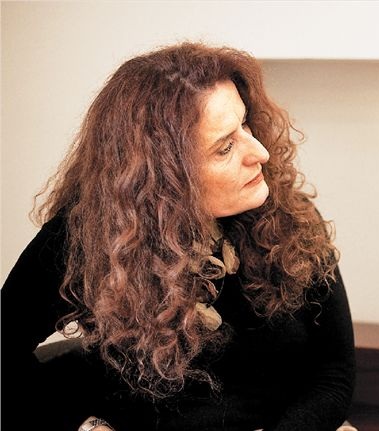
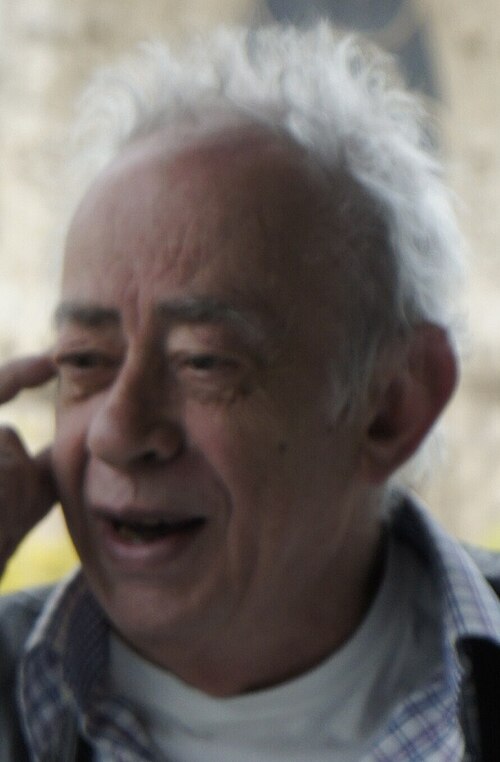
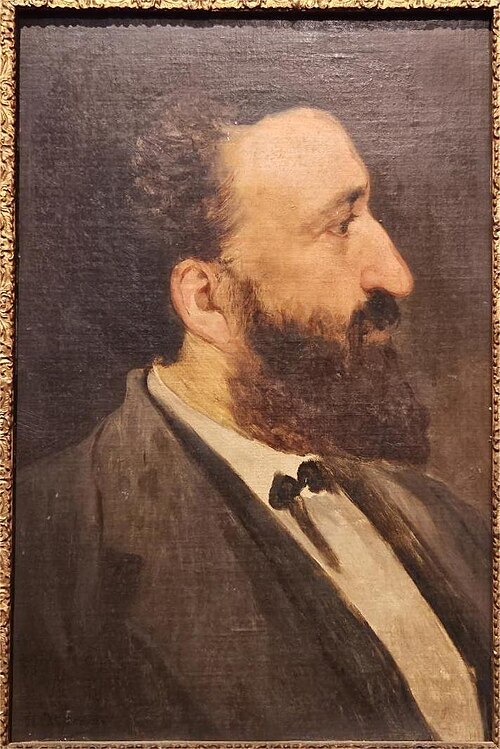
Lorentzos Mavilis
GualdimG · CC BY-SA 4.0 · Wikimedia Commons

B2Modern Greece · Poet

Lorentzos Mavilis

Λορέντζος Μαβίλης

1860 – 1912 · Ithaca; Corfu; Germany

Lorentzos Mavilis (Λορέντζος Μαβίλης, 1860–1912) wrote only a few dozen poems, almost all of them sonnets, and several of them, Λήθη (Oblivion), Ελιά (Olive Tree), Καλλιπάτειρα, are among the most perfectly made poems in Modern Greek. A Corfiot of Spanish descent, a doctor of philosophy who read Sanskrit and composed chess problems, he fought as a volunteer in 1897, defended the demotic language in parliament and, at fifty-two, was killed fighting for Greece at Driskos near Ioannina.

Life

Mavilis was born on 6 September 1860 on Ithaca, where his father was a judge; the family, of Spanish origin, had settled in Corfu, and Corfu was his home. He grew up in the circle of the Ionian or Heptanesian school, the Corfiot tradition that descended from Solomos and was kept alive by Iakovos Polylas, who became his mentor. After a short time at the University of Athens he went to Germany in 1878 and stayed, with interruptions, for over a decade: Munich, Erlangen, Freiburg, studying philosophy, classical and Indian philology, and taking a doctorate at Erlangen in 1890. He learned Sanskrit well enough to translate episodes from the Mahabharata, read Kant and Schopenhauer, and composed chess problems that were published in European chess magazines.

Back in Corfu in the 1890s he wrote most of his sonnets and lived as a gentleman scholar, but the national cause kept pulling him away from his desk. In 1896 he joined the Cretan uprising against the Ottomans, and in the war of 1897 he fought as a volunteer in Epirus and was wounded in the hand. In 1910 he was elected to the Revisionary Parliament as a deputy for Corfu, and there, in 1911, he gave the speech for which he is remembered beyond poetry, defending the spoken language against those who called it vulgar.

When the First Balkan War broke out in October 1912, Mavilis, aged fifty-two, volunteered again, joining the corps of Garibaldini red-shirts fighting in Epirus. On 28 November 1912 he was fatally wounded at the battle of Driskos, on the heights above Ioannina. His last recorded words were that he had expected many honours from this war, but not the honour of dying for Greece.

Works

Mavilis is the sonneteer of Greek poetry. He took the fourteen-line Italian form, which the Ionian islands knew from their Venetian centuries, and gave it a density of sound and thought that nobody in Greek had managed before: every rhyme is natural, every line carries weight, and the final tercet turns the whole poem. His language is the rich demotic of Corfu, with island words and bold inversions, and his themes are those of a man who read Schopenhauer and watched the sea: the peace of death, the beauty of the natural world, the homeland, memory.

The best-known sonnets are Λήθη (Oblivion), which opens with the line every Greek knows, that the dead are fortunate because they forget the bitterness of life, and asks the living not to weep for them at dusk; Ελιά (Olive Tree), in which a swarm of bees nests in the hollow of an ancient olive and the dying tree is consoled by the life inside it; Καλλιπάτειρα, about the noblewoman of Rhodes who, disguised as a trainer, entered the men-only Olympic Games to see her son crowned; Πατρίδα (Homeland), written on his return from Germany; and Μούχρωμα (Dusk) and Έρμονες, named after a bay on the west coast of Corfu. He also left translations: from Sanskrit, from Shelley, from German poets.

His parliamentary speech of 1911 belongs with the poems. In the debate on whether the constitution should proclaim katharevousa, the archaising written language, as the official language of the state, Mavilis declared that there is no such thing as a vulgar language, only vulgar people, and that many vulgar people speak katharevousa. The sentence, delivered in the formal Greek of parliament, is still the demotic movement's best-known one-liner.

Legacy in Greece today

Λήθη, Ελιά and Καλλιπάτειρα are fixtures of the Greek school anthologies, and «Καλότυχοι οι νεκροί που λησμονάνε» is one of the lines of poetry Greeks most often recite at funerals and memorials. Corfu honours him with a bust and a street, and streets named Μαβίλη exist in Athens, Thessaloniki and many other towns; the Μαβίλη square in central Athens is a well-known meeting point. At Driskos, near Ioannina, a monument marks the place where he fell. His speech on language is quoted whenever Greeks argue about correct and incorrect Greek. A learner can read Λήθη, just fourteen lines, aloud: the sound is the point.

Did you know?

  • He held a German doctorate in philosophy and could read Sanskrit, from which he translated episodes of the Mahabharata into Greek verse.
  • He composed chess problems that appeared in European chess magazines, a rare hobby for a poet.
  • He fought in three wars as a volunteer, in Crete in 1896, in Epirus in 1897 and again in 1912, and was killed in the last of them at fifty-two.
  • His whole poetic output is about fifty sonnets and a handful of other poems, yet three or four of them are in every Greek school anthology.

Key works

Greek titleTitleYear
Μεταφράσεις από τα σανσκριτικά (Μαχαμπχαράτα)Translations from Sanskrit (episodes of the Mahabharata)1880s–1890s
ΕλιάOlive Tree (sonnet)1890s
ΛήθηOblivion (sonnet)1890s
ΚαλλιπάτειραKallipateira (sonnet)c. 1900
Η αγόρευση για τη δημοτική στη ΒουλήThe parliamentary speech for demotic Greek1911
Η μάχη του ΔρίσκουThe battle of Driskos, where he fell1912

A line to remember

Καλότυχοι οι νεκροί, που λησμονάνε / την πίκρια της ζωής.

Kalotychoi oi nekroi, pou lismonane / tin pikria tis zois.

Fortunate are the dead, who forget / the bitterness of life.

Λήθη (Oblivion), sonnet

From the original

The text as Lorentzos Mavilis wrote it, out of copyright, with our own translation beside it.

«Λήθη»Oblivion

The whole sonnet, in the polytonic spelling of its 1936 printing: at dusk the dead go to drink from the spring of Lethe, and a tear shed by the living clouds its water. The page's quote is its opening line and a half.

Καλότυχοι oἱ νεκροὶ ποὺ λησμονᾶνεFortunate are the dead, who forget
τὴν πίκρα τῆς ζωῆς. Ὅντας βυθίσηthe bitterness of life. When the sun
ὁ ἥλιος καὶ τὸ σούρουπο ἀκλουθήση,has sunk and the dusk has followed,
μὴν τοὺς κλαῖς, ὁ καημός σου ὅσος καὶ νἆναι.do not weep for them, however great your grief.
Τέτοιαν ὥρα οἱ ψυχὲς διψοῦν καὶ πᾶνεAt that hour the souls grow thirsty and go
στῆς λησμονιάς τὴν κρουσταλλένια βρύσηto the crystal spring of forgetfulness;
μὰ βοῦρκος τὸ νεράκι θὰ μαυρίση,but the water will turn black as mire
ἂν στάξη γι’ αὐτὲς δάκρυ ὅθε ἀγαπᾶνε.if a tear falls for them from those they love.
Κι’ ἂν πιοῦν θολὸ νερὸ ξαναθυμοῦνται,And if they drink clouded water they remember again,
διαβαίνοντας λειβάδια ἀπὸ ἀσφοδίλι,as they cross the meadows of asphodel,
πόνους παληοὺς ποὺ μέσα τους κοιμοῦνται.old sorrows that lie asleep inside them.
Ἂν δὲ μπορῆς παρὰ νὰ κλαῖς τὸ δεῖλι,If you cannot help but weep at evening,
τοὺς ζωντανοὺς τὰ μάτια σου ἂς θρηνήσουν:let your eyes mourn for the living:
θέλουν—μὰ δὲ βολεῖ νὰ λησμονήσουν.they wish to forget, but they cannot.

«Λήθη» (sonnet, 1890s; text of the 1936 printing in «Μπουκέτο»), complete · Public-domain text, source: el.wikisource.org
B2

Read about Lorentzos Mavilis in Greek (B2)

Words from the passage

  • sonnet
  • care
  • bitterness
  • I describe
  • volunteer
  • member of parliament
  • vulgar
  • I teach

Test yourself: 4 words from this page

1 / 4

What does this word mean?

Want to learn Greek?Start learning Greek

Others at level B2

Modern Greece · PoetKiki Dimoula1931 – 2020Modern Greece · PoetAngelos Sikelianos1884 – 1951Antiquity · TragedianEuripidesc. 480 BC – 406 BCModern Greece · PoetKostis Palamas1859 – 1943Modern Greece · Short-story writer and poetGeorgios Vizyinos1849 – 1896Antiquity · Historian and soldierXenophonc. 430 BC – c. 354 BCAntiquity · Biographer and essayistPlutarchc. 46 – c. 120Antiquity · PhilosopherHeraclitusc. 535 BC – c. 475 BCAntiquity · StatesmanPericlesc. 495 BC – 429 BCModern Greece · StatesmanEleftherios Venizelos1864 – 1936Modern Greece · First Governor of GreeceIoannis Kapodistrias1776 – 1831Modern Greece · Novelist, short-story writerAndreas Karkavitsas1865 – 1922Modern Greece · Film and theatre directorMichael Cacoyannis1922 – 2011Modern Greece · ComposerVangelis1943 – 2022Modern Greece · NovelistDido Sotiriou1909 – 2004Modern Greece · Playwright and lyricistIakovos Kambanellis1922 – 2011Modern Greece · Prime minister, reformerCharilaos Trikoupis1832 – 1896Modern Greece · Novelist, essayistGiorgos Theotokas1905 – 1966Modern Greece · NovelistPantelis Prevelakis1909 – 1986Modern Greece · PoetTasos Livaditis1922 – 1988Modern Greece · MathematicianConstantin Carathéodory1873 – 1950Modern Greece · PainterKonstantinos Parthenis1878 – 1967Modern Greece · PainterYannis Moralis1916 – 2009Modern Greece · SculptorTakis (Panagiotis Vassilakis)1925 – 2019Modern Greece · ConductorDimitri Mitropoulos1896 – 1960Modern Greece · Stage actressMarika Kotopouli1887 – 1954Modern Greece · Writer, art criticZacharias Papantoniou1877 – 1940Modern Greece · ArchaeologistSpyridon Marinatos1901 – 1974Modern Greece · BenefactorEvangelos Zappas1800 – 1865Modern Greece · Rock singer, songwriterPavlos Sidiropoulos1948 – 1990Modern Greece · Rebetiko composer, bouzoukiYannis Papaioannou1913 – 1972Modern Greece · ChemistLeonidas Zervas1902 – 1980Modern Greece · ArchaeologistGeorge Mylonas1898 – 1988Modern Greece · PainterAglaia Papa1904 – 1984Antiquity · Choral poetAlcmanModern Greece · Stage actressAmalia MoutousiModern Greece · Choreographer · dancerAngeliki Stellatou1963Antiquity · Literary compilerAthenaeus2nd c. ADAntiquity · Biographer · history of philosophyDiogenes Laertius3rd c. ADModern Greece · Historian · ByzantinistEleni Glykatzi-Arveler1926 – 2026Modern Greece · AutobiographerElisavet Moutzan-Martinengou1801 – 1832Antiquity · Comic poetEpicharmusc. 540 BC – c. 460 BCModern Greece · Novelist · poetErsi Sotiropoulou1953Modern Greece · Novelist; short-story writerGalateia Saranti1920 – 2009Modern Greece · Film director · screenwriterYorgos Lanthimos1973Modern Greece · Speculative novelist and storytellerIoanna Bourazopoulou1968Modern Greece · Actress · theatre managerKakia Analyti1934 – 2002Modern Greece · Stage and TV actorKatia Dandoulaki1948Antiquity · Bronze sculptorLysipposModern Greece · Actress · acting teacherMary Aronic. 1914 – 1992Modern Greece · NovelistMargarita Karapanou1946 – 2008Modern Greece · Poet, playwright and translatorMaria Laina1947 – 2023Modern Greece · Singer · songwriterMaria PapageorgiouModern Greece · Novelist · essayistMaro Vamvounaki1948Modern Greece · Poet; translatorMatsi Hatzilazarou1914 – 1987Modern Greece · Singer · composerMichalis Hatzigiannis1978Modern Greece · Composer and music teacherNikolaos Mantzaros1795 – 1872Modern Greece · Film directorNikos Panagiotopoulos1941 – 2016Modern Greece · Painter · sculptorOpy Zouni1941 – 2008Antiquity · Historian · political inquiryPolybiusc. 200 BC – c. 118 BCModern Greece · Novelist · historical fictionRea Galanaki1947Modern Greece · Novelist · playwrightRina Katselli1938 – 2021Modern Greece · Poet · translatorRita Boumi-Papa1906 – 1984Modern Greece · Stage actress · director · translatorSofia FilippidouAntiquity · Lyric poetStesichorusc. 630 BC – c. 555 BCModern Greece · Novelist · short-story writerTatiana Gritsi-Milliex1920 – 2005Modern Greece · Novelist · journalistVassilis Alexakis1943 – 2021Antiquity · Philosopher · Stoic founderZeno of Citiumc. 334–333 BC – c. 262–261 BCModern Greece · Film and stage actressZoe Laskaric. 1942 – 2017Modern Greece · Novelist · short-story writerZyranna Zateli1951

All personalities →