grecfacilegrecfacile
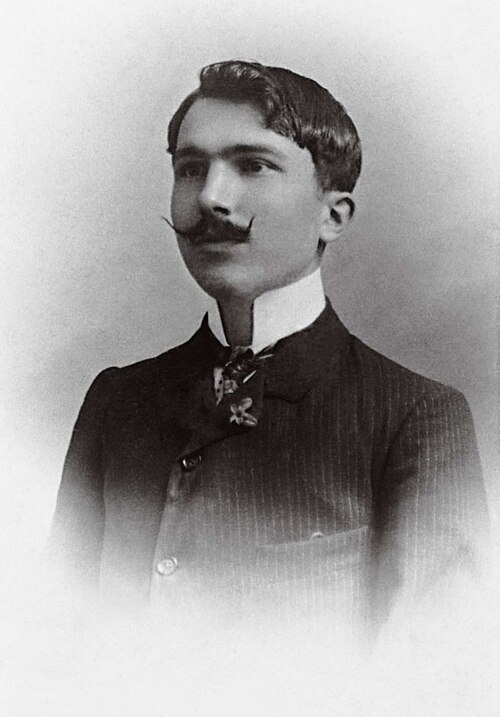
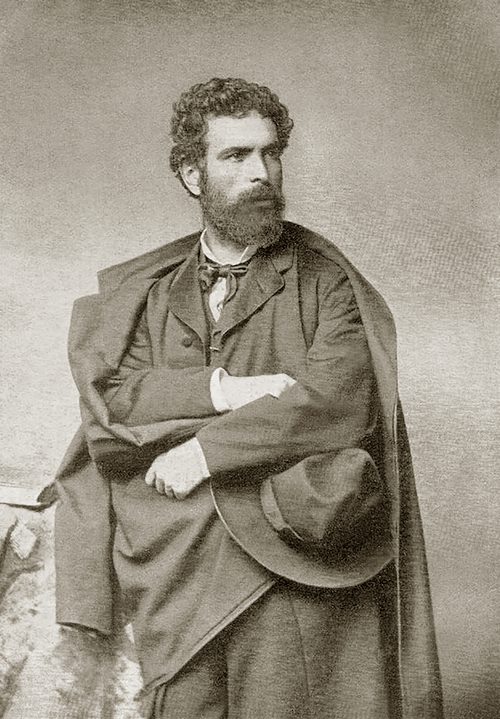
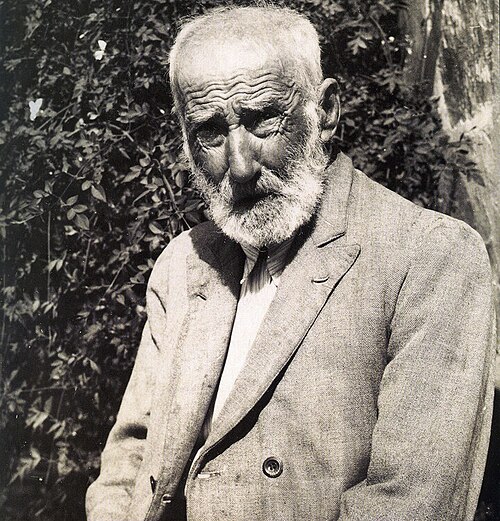
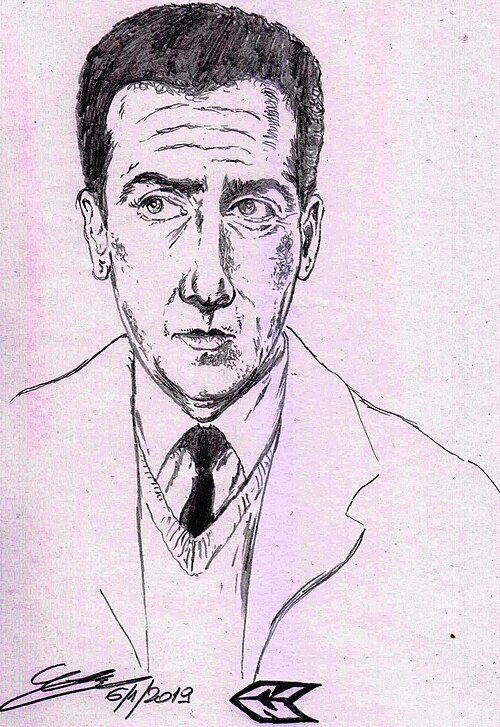
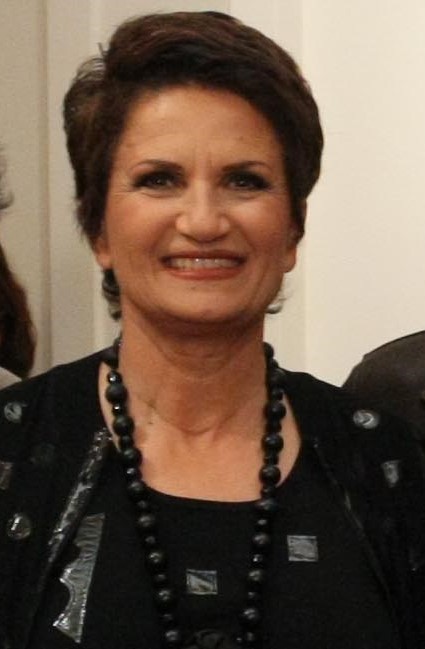
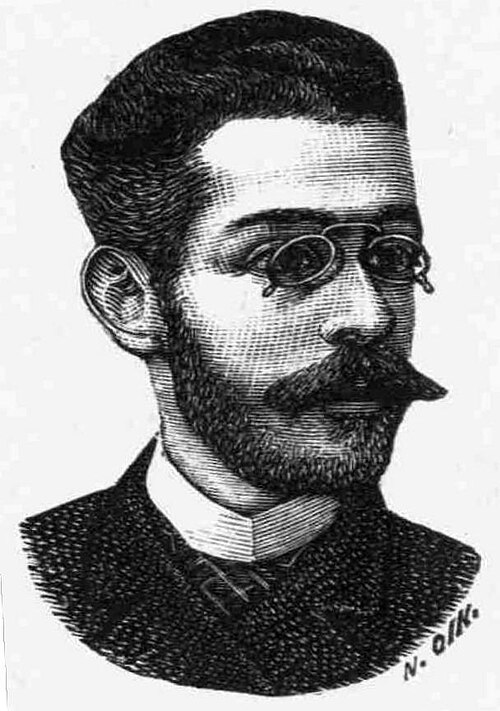
Georgios Drosinis
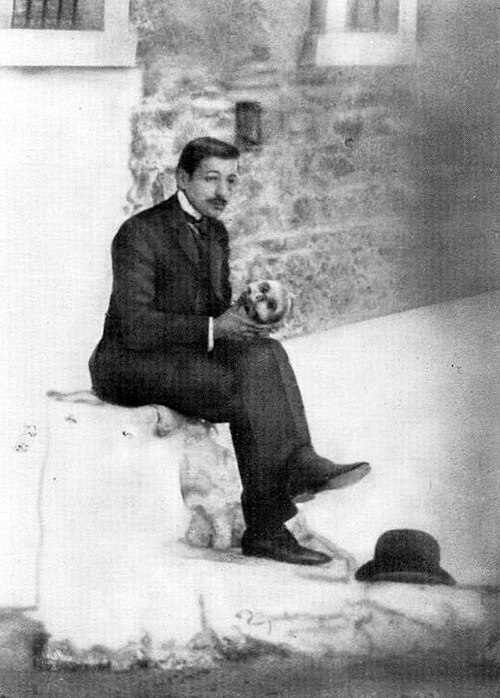
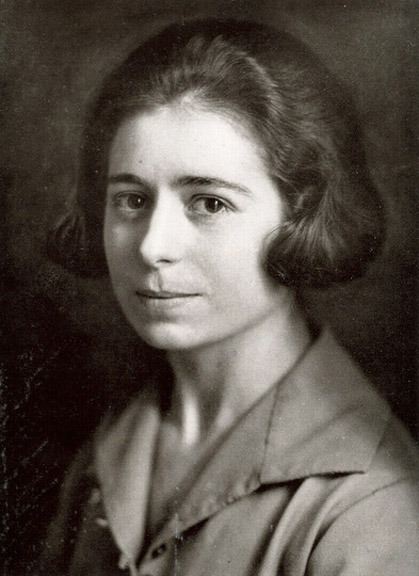
Konstantin Skokos (1854-1929) · Public domain · Wikimedia Commons

A2Modern Greece · Poet

Georgios Drosinis

Γεώργιος Δροσίνης

1859 – 1951 · Athens; Kifisia

Georgios Drosinis (Γεώργιος Δροσίνης, 1859–1951), also spelled Drossinis, was the quiet partner of Kostis Palamas in the Generation of 1880, the group of young Athenian poets who threw out the pompous verse of their elders and wrote in the everyday language of the people. His collections Ιστοί αράχνης (Spider Webs, 1880) and Σταλακτίται (Stalactites, 1881) opened the way, and his short poems about the countryside, the sea and the seasons are still the first poetry many Greek children read.

Life

Drosinis was born in Athens on 9 December 1859, in the old quarter of Plaka, into a family with roots in Mesolongi, the town of the great siege of 1826. He went to the Varvakeio school, then studied law at the University of Athens without much enthusiasm, and in the 1880s spent several years in Germany, in Leipzig, Dresden and Berlin, where he studied literature and art history. In Athens he found his friends: Kostis Palamas, Nikos Kambas and the other young poets who would be called the New Athenian School or the Generation of 1880.

He was a man of institutions as much as of verse. In the 1880s he edited the literary magazine Εστία (Hestia), which under him became a daily newspaper in 1894. From 1899 he was secretary, and later president, of the Σύλλογος προς διάδοσιν ωφελίμων βιβλίων (Society for the Distribution of Useful Books), founded by Dimitrios Vikelas to put cheap, well-made books into the hands of ordinary Greeks; he ran it for half a century. At the Ministry of Education he directed the Department of Letters and Fine Arts (1914–1920 and 1922–1923), where he promoted school libraries.

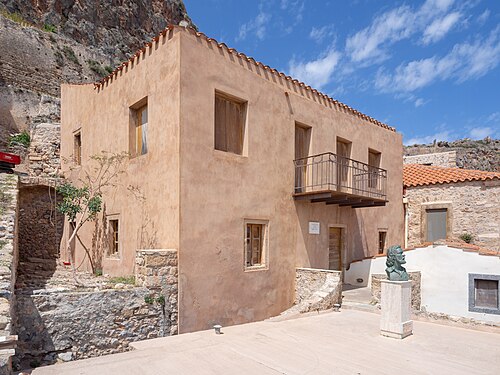
In 1918 he bought, with his brother, an old family house in Kifisia, the garden suburb north of Athens, and from 1939 he lived there permanently. He kept writing into his eighties, published his last collection in 1947, and died in Kifisia on 3 January 1951, aged ninety-one, the last survivor of his generation.

Works

Drosinis published his first book, Ιστοί αράχνης (Spider Webs), in 1880, when he was twenty, and followed it with Σταλακτίται (Stalactites, 1881), Ειδύλλια (Idylls, 1884) and Αμάραντα (Amaranths, 1890). The titles are modest on purpose. Against the loud patriotic rhetoric of the previous generation, these are small, polished poems in demotic Greek, sometimes called «ποίηση της δροσιάς» by friends punning on his name (δροσιά means freshness, dew): a village girl, an almond tree in blossom, the sun going down behind the hills, a swallow's nest, the dead who lie in foreign soil. He learned from the Greek folk song and from the German lyric he had read as a student, and he gave Greek poetry a light touch it had lacked.

In prose he wrote the pastoral novella Αμαρυλλίς (Amaryllis, 1886), a summer love story in the countryside that was a great success, the novels Το βοτάνι της αγάπης (The Herb of Love, 1901) and Έρση (Ersi, 1922), short stories of village and town, and fairy tales for children. The later collections, Φωτερά σκοτάδια (Bright Darkness, 1915), Κλειστά βλέφαρα (Closed Eyelids, 1918), Το μοιρολόι της όμορφης (The Lament for the Beautiful Girl, 1927) and Θα βραδιάζει (Evening Will Fall, 1930), are quieter and sadder, poems of old age and farewell, still in the same clear language. Drosinis never had Palamas's ambition or range, and he knew it; what he had was tact, music and a love of ordinary things, and the gift of saying them in words a child can read.

Legacy in Greece today

The best way to meet Drosinis is where Greeks meet him: in the primary-school reader, where his short poems about the seasons and the countryside have appeared for generations, and in the serenades of old Athens. His poem Ανθισμένη αμυγδαλιά (The Flowering Almond Tree) became a classic καντάδα, a song students still sing with a guitar, and it gave its title to a 1959 film. His house in Kifisia, on the way to the station, belongs to the municipality and has housed the Drosinis Museum since 1997, with his study, portraits and manuscripts, next to the public library that bears his name. Many Greek towns have an Οδός Δροσίνη, usually near a street named after Palamas. Because he died in 1951 his work is in the public domain, and the Greek texts of his poems are freely available online.

Did you know?

  • He published his first collection at twenty, in 1880, and his last at eighty-seven, in 1947.
  • For fifty years he ran the Society for the Distribution of Useful Books, which sold cheap editions of classics and practical guides all over Greece.
  • Friends punned on his name: δροσιά means dew or coolness, and his verse was praised for exactly that freshness.
  • He outlived every other poet of the Generation of 1880, dying at ninety-one in 1951.

Key works

Greek titleTitleYear
Ιστοί αράχνηςSpider Webs1880
ΣταλακτίταιStalactites1881
ΑμαρυλλίςAmaryllis (novella)1886
ΑμάρανταAmaranths1890
Φωτερά σκοτάδιαBright Darkness1915
Θα βραδιάζειEvening Will Fall1930

A line to remember

Στίχους ποτέ δεν έγραψες εσύ; / Καλότυχος!… αν θες να με πιστέψεις, / μη γράψεις, είν' η τύχη σου χρυσή· / τον ποιητή καθόλου μη ζηλέψεις.

Stichous pote den egrapses esy? / Kalotychos!… an thes na me pistepseis, / mi grapseis, ein' i tychi sou chrysi; / ton poiiti katholou mi zilepseis.

You have never written verses? / Lucky you!… if you want to believe me, / don't write, your luck is golden; / don't envy the poet at all.

Επίλογος, from Σταλακτίται (1881)

From the original

The text as Georgios Drosinis wrote it, out of copyright, with our own translation beside it.

«Πίστη»Faith

A complete short poem built on a single refrain: faith is not expecting what nature will give anyway, but expecting the impossible. Its plain demotic shows how far Drosinis' language had travelled since the katharevousa-tinged verse of his 1880s collections.

Δεν έχεις Πίστη, όταν τα στάχια σουYou have no Faith when your ears of corn
προσμένεις να γενούν σιτάρι,you expect to turn into wheat,
κι από τ’ άκαρπο δεντρί, που κέντρωσες,and from the barren tree you grafted
προσμένεις καρπερό βλαστάρι!you expect a fruitful shoot!
Πίστη έχεις, όταν από το χέρσωμαYou have Faith when from the fallow ground
κι από τα αστραποκαμένα ξύλα,and from the lightning-blasted wood
προσμένεις τους καρπούς ολόδροσουςyou expect the fruit all fresh with dew
και καταπράσινα τα φύλλα.and the leaves a deep green.
Δεν έχεις Πίστη, όταν, πηγαίνονταςYou have no Faith when, walking
το δρόμο του βουνού, προσμένειςthe mountain road, you expect
να φτάσεις ως το ανάερο ψήλωμαto reach the airy height
κάποιας κορφής μαρμαρωμένης.of some peak turned to marble.
Πίστη έχεις, όταν, αλυσόδετος,You have Faith when, bound in chains,
μέσα από τα βάθη της αβύσσου,from the depths of the abyss,
προσμένεις ως τα ουράνια ελεύτεροyou expect, free, all the way to heaven,
να φτερουγίσει το κορμί σου.your body to take wing.
Δεν έχεις Πίστη, όταν τ’ απόβραδοYou have no Faith when at nightfall
προσμένεις να προβάλλουν τ άστρα,you expect the stars to come out,
και με του πετεινού το λάλημαand with the crowing of the cock
να φέξη η αυγή ροδογελάστρα!the rosy-smiling dawn to break!
Πίστη έχεις, όταν- όσο αλόγιστοYou have Faith when, however senseless
και πλάνο ο νους σου κι αν το ξέρει-and false your mind may know it to be,
προσμένεις ήλιο τα μεσάνυχταyou expect sun at midnight
κι αστροφεγγιά το μεσημέρι.and starlight at noon.
Δεν έχει Πίστη, όταν, πιστεύοντας,You have no Faith when, even as you believe,
ρωτάς την κρίση και τη γνώση!you consult judgement and knowledge!
Δεν έχεις Πίστη, όταν την πίστη σουYou have no Faith when your faith
στο λογικό έχεις θεμελιώσει!you have founded upon reason!
Πίστη έχει, όταν κάθε σου όνειροYou have Faith when every dream of yours
το ανάφτεις στο βωμό της τάμα,you light upon her altar as a vow,
κι αν κάποιο σου τάμα είναι αδύνατο,and if some vow of yours is impossible,
προσμένεις να γενεί το θάμα.you expect the miracle to happen.

«Πίστη», complete poem · Public-domain text, source: el.wikisource.org
A2

Read about Georgios Drosinis in Greek (A2)

Words from the passage

  • friend
  • language
  • small, short
  • difficult
  • poem
  • flower
  • bird
  • I sing
Test yourself: 4 words from this page

1 / 4

What does this word mean?

Want to learn Greek?Start learning Greek

Others at level A2

Modern Greece · PoetKonstantinos Kavafis1863 – 1933Modern Greece · PoetYannis Ritsos1909 – 1990Modern Greece · Novelist (children's literature)Penelope Delta1874 – 1941Antiquity · Epic poetHomerc. 8th century BCModern Greece · NovelistNikos Kazantzakis1883 – 1957Antiquity · Cynic philosopherDiogenes the Cynicc. 412 BC – 323 BCAntiquity · Philosopher and mathematicianThales of Miletusc. 624 BC – c. 546 BCAntiquity · Philosopher and mathematicianPythagorasc. 570 BC – c. 495 BCRenaissance · PainterEl Greco1541 – 1614Modern Greece · PainterNikolaos Gyzis1842 – 1901Modern Greece · SopranoMaria Callas1923 – 1977Modern Greece · ComposerManos Hadjidakis1925 – 1994Modern Greece · ActorThanasis Veggos1927 – 2011Modern Greece · PoetNikiforos Vrettakos1912 – 1991Modern Greece · Singer, lyra playerNikos Xylouris1936 – 1980Modern Greece · PhysicianGeorgios Papanikolaou1883 – 1962Modern Greece · Priest and fighter of 1821Papaflessasc. 1788 – 1825Modern Greece · Satirical poetGeorgios Souris1853 – 1919Modern Greece · SculptorYannoulis Chalepas1851 – 1938Modern Greece · PainterAlekos Fassianos1935 – 2022Modern Greece · ComposerSpyridon Samaras1861 – 1917Modern Greece · Rebetiko singerSotiria Bellou1921 – 1997Modern Greece · Rebetiko singerMarika Ninou1922 – 1957Modern Greece · Bouzouki virtuoso, composerManolis Chiotis1921 – 1970Modern Greece · ActressKatina Paxinou1900 – 1973Modern Greece · Rebetiko singerRosa Eskenazic. 1895 – 1980Modern Greece · ActorManos Katrakis1908 – 1984Modern Greece · PainterDimitris Mytaras1934 – 2017Modern Greece · ComposerManos Loizos1937 – 1982Modern Greece · Laïko singerDimitris Mitropanos1948 – 2012Modern Greece · General of 1821Odysseas Androutsosc. 1790 – 1825Modern Greece · Leader of the Filiki EtaireiaAlexandros Ypsilantis1792 – 1828Modern Greece · PhotographerNelly's (Elli Souyioultzoglou-Seraidari)1899 – 1998Modern Greece · Mezzo-sopranoAgnes Baltsa1944Modern Greece · Lied singer and benefactorAlexandra Trianti1896/1901 – 1977Modern Greece · Actor · DirectorAlekos Alexandrakis1928 – 2005Antiquity · Lyric poetAlcaeus of MytileneModern Greece · SingerAlkistis Protopsalti1954Modern Greece · Singer · songwriterAmanda TenfjordAntiquity · Lyric poetAnacreonc. 570 BCE – c. 485 BCEModern Greece · Novelist and journalistAndreas Frangias1921 – 2002Modern Greece · Singer · songwriterAndromacheModern Greece · SingerAnna Vissi1957Modern Greece · Poet · EditorAntonis Fostieris1953Antiquity · Poet · EpigrammatistAnyte of TegeaAntiquity · Epic poet · ScholarApollonius of RhodesAntiquity · Archaic lyric poetArchilochusModern Greece · NovelistChristos Chomenidis1966Modern Greece · Short-story writerChristos Ikonomou1970Modern Greece · Singer · musical performerDemy1991Modern Greece · SingerDespina Vandi1969Modern Greece · Singer · composerDimitra Galani1952Modern Greece · Playwright · TranslatorDimitris Dimitriadis1944Modern Greece · Singer-songwriterDionysis Savvopoulos1944 – 2025Modern Greece · Singer · popular song and poetryEleftheria Arvanitaki1957Modern Greece · SingerEleftheria Eleftheriou1989Modern Greece · Pop singerElena Tsagrinou1994Modern Greece · SingerEleni Foureira1987Modern Greece · Singer · Greek song and international repertoireElli Paspala1957Modern Greece · Novelist · PuppeteerEvgenia Fakinou1945Modern Greece · Singer · SongwriterGianna Terzi1980Modern Greece · Basketball playerGiannis Antetokounmpo1994Modern Greece · Composer · ConductorGiannis Markopoulos1939 – 2023Modern Greece · Classical pianistGina Bachauer1910 – 1976Modern Greece · Singer · guitaristGeorge Dalaras1949Modern Greece · SculptorGiorgos Zongolopoulos1903 – 2004Modern Greece · SingerGlykeria1953Modern Greece · Singer · songwriterHaris Alexiou1950Modern Greece · Pop singerHelena Paparizou1982Modern Greece · Poet and librettistIoulita IliopoulouAntiquity · PoetErinnaModern Greece · SingerIvi Adamou1993Modern Greece · Pop · laïko singerKaiti Garbi1961Modern Greece · Singer · songwriterKaterine Duska1989Modern Greece · Poet and travel writerKostas Ouranis1890 – 1953Modern Greece · Composer · pianistLena Platonos1951Modern Greece · Singer · songwriterMaria Elena Kyriakou1984Modern Greece · Tennis playerMaria Sakkari1995Modern Greece · Singer · producerMarina Satti1986Modern Greece · SingerMarinella1938 – 2026Modern Greece · NovelistMaro Douka1947Modern Greece · Singer · contemporary Greek songMelina Kana1966Modern Greece · Poet and lyricistMichalis Ganas1944 – 2024Modern Greece · Composer · PianistMimis Plessas1924 – 2024Modern Greece · SingerNatassa Bofiliou1983Modern Greece · Actor · screenwriterNia Vardalos1962Modern Greece · Writer and essayistNikos Dimou1935Modern Greece · PainterNikos Nikolaou1909 – 1986Modern Greece · Singer-songwriter · ProducerNikos Papazoglou1948 – 2011Modern Greece · Poet and illustratorPavlina Pampoudi1948Modern Greece · Pianist and composerRena Kyriakou1917 – 1994Modern Greece · Singer · dancerSilia Kapsis2006Modern Greece · Singer-songwriter · GuitaristSokratis Malamas1957Modern Greece · Composer · SongwriterStavros Kougioumtzis1932 – 2005Modern Greece · Composer and conductorStavros Xarchakos1939Modern Greece · SingerTamta1981Modern Greece · Soprano · Opera and filmTeresa Stratas1938Modern Greece · Painter · visual chroniclerThalia Flora-Karavia1871 – 1960Modern Greece · Songwriter · SingerThanasis Papakonstantinou1959Antiquity · Bucolic poetTheocritusModern Greece · SingerVicky Leandros1952Modern Greece · Composer · keyboardistYanni1954

All personalities →