grecfacilegrecfacile
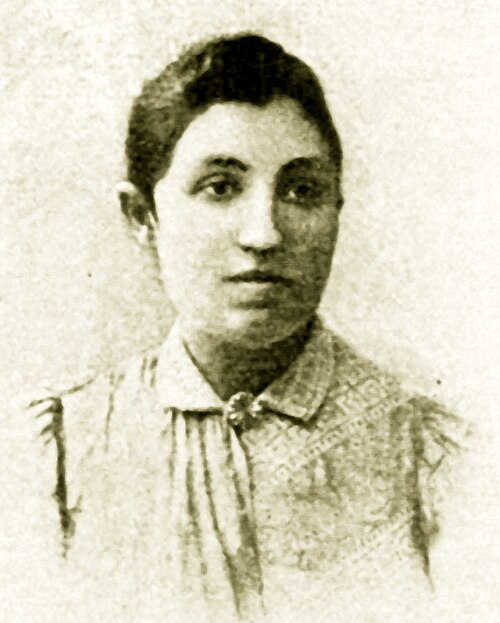
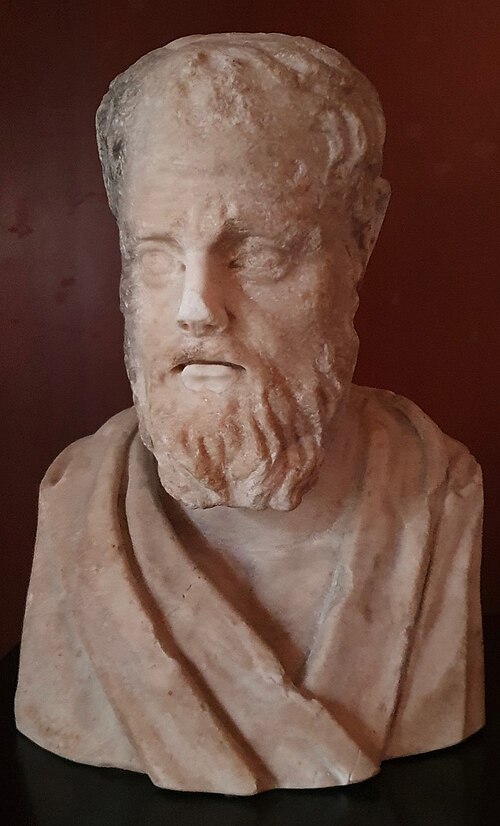
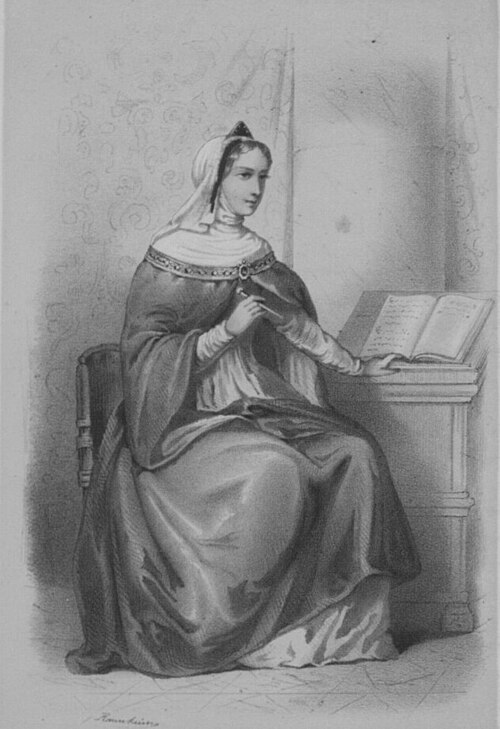
Anna Komnene
Unknown author · Public domain · Wikimedia Commons

C2Renaissance · Historian, Byzantine princess

Anna Komnene

Άννα Κομνηνή

1083 – c. 1153 · Constantinople

Anna Komnene (Άννα Κομνηνή, 1083–c. 1153), the eldest daughter of the emperor Alexios I Komnenos, was born in the purple chamber of the imperial palace and expected to rule. She did not; her brother John took the throne, a plot in her husband's favour failed, and she withdrew to a convent, where in her sixties she wrote the Αλεξιάς (Alexiad), a history of her father's reign in fifteen books. It is the first major historical work written by a woman and our main Byzantine witness to the First Crusade.

Life

Anna was born on 1 December 1083 in the Porphyra, the purple-walled chamber of the Great Palace reserved for the births of reigning emperors' children, which made her πορφυρογέννητη, born in the purple, a title she never let her readers forget. Her father, Alexios I Komnenos, had seized the throne two years earlier and would hold it for thirty-seven years; her mother was Irene Doukaina. As a small child she was betrothed to Constantine Doukas, the son of a former emperor, and for a few years the pair were the designated heirs; the boy's death and the birth of her brother John in 1087 ended that prospect, and she never forgave it.

She received the finest education a Byzantine could have, in rhetoric, philosophy, the quadrivium of arithmetic, geometry, astronomy and music, and medicine, which she studied closely enough to describe her father's last illness like a physician. In 1097 she married Nikephoros Bryennios, a general and man of letters raised to the rank of caesar, with whom she had four children. When Alexios lay dying in August 1118 she and her mother tried to have Bryennios named successor; John forestalled them, and a conspiracy against the new emperor the following year, in which Anna was deeply involved, collapsed. Bryennios, the sources say, declined to act.

Her property was confiscated and later returned, and she retired to the convent of the Theotokos Kecharitomene, founded by her mother, where she gathered scholars around her and commissioned the first Byzantine commentaries on Aristotle in centuries. After Bryennios died in 1137, leaving his history of the years before 1081 unfinished, she took up the task herself. She was still writing in the late 1140s and died around 1153.

Works

The Αλεξιάς (Alexiad), its title echoing the Iliad, covers the years 1069 to 1118 and above all the reign of Alexios I, whom Anna presents as the saviour of an empire that in 1081 was close to collapse. Its fifteen books follow his wars against the Normans of southern Italy under Robert Guiscard and his son Bohemond, against the Pecheneg and Cuman nomads of the Danube, and against the Seljuk Turks in Asia Minor, and they describe in detail the arrival of the First Crusade at Constantinople in 1096–97: the unruly followers of Peter the Hermit, the oaths Alexios extracted from the Western princes, and Anna's fascinated hostility towards Bohemond, whose physique she describes with an attention no other medieval historian gives an enemy. She records the empire's religious quarrels too, including the trial and burning of the Bogomil leader Basil.

Anna wrote in an Atticizing Greek modelled on Thucydides and Polybius, full of Homeric tags and classical allusions, and she apologises when she must use a barbarian name or a common word. She is openly partisan, often inaccurate in chronology, and prone to lament her own misfortunes, but she had access to imperial documents, to veterans of the campaigns and to her own memory of the palace, and she is the only Byzantine author to give a full account of the crusaders from the inside. The last book, with its clinical description of the emperor's death from a disease of the lungs and heart, is also a daughter's farewell. Together with her husband's Ὕλη Ἱστορίας (Material for a History), which she set out to continue, the Alexiad is the chief source for the Komnenian restoration of Byzantium.

Legacy in Greece today

Anna Komnene is read today as the first woman historian in any language, and the Alexiad is on every reading list of the crusades beside the Latin chronicles it contradicts. In Greek it is available in a modern translation from the Agra publishing house, and the original Greek text is online. The Komnenian Byzantium she describes can be seen in Istanbul: the walls of the Blachernae quarter, where the Komnenoi moved the court, and the great church of Christ Pantokrator (now the Zeyrek Mosque), built by the brother she tried to unseat. In Greece, schoolchildren meet Alexios Komnenos and the First Crusade in the Byzantine history of lower secondary school, and «Άννα Κομνηνή» is a name they recognise; streets in several towns carry it. The site's C2 exercise on the vocabulary of Byzantine history and the page on Procopius, her great predecessor, are natural next steps.

Did you know?

  • She was born in the Porphyra, the purple chamber of the Great Palace, and used the title πορφυρογέννητη throughout her history to remind readers of her claim.
  • She studied medicine seriously enough to take part in the consultations over her father's final illness, and she records the physicians' disagreements.
  • Her husband was also a historian; she continued his unfinished work, and the two books together cover Byzantium from the 1070s to 1118.
  • She began writing in her sixties, in a convent, some thirty years after the events she describes.

Key works

Greek titleTitleYear
Γέννηση στην ΠορφύραBirth in the purple chamber as heir presumptive1083
Γάμος με τον καίσαρα Νικηφόρο ΒρυέννιοMarriage to the caesar Nikephoros Bryennios1097
Συνωμοσία κατά του Ιωάννη Β΄Failed conspiracy against her brother John II1118–1119
Αποχώρηση στη μονή της ΚεχαριτωμένηςRetirement to the Kecharitomene conventc. 1119
ΑλεξιάςThe Alexiad, history of Alexios I in fifteen booksc. 1148

A line to remember

Ῥέων ὁ χρόνος ἀκάθεκτα καὶ ἀεί τι κινούμενος παρασύρει καὶ παραφέρει πάντα τὰ ἐν γενέσει…

In today's GreekΟ χρόνος, που κυλά ακράτητος και πάντα κάτι κινεί, παρασύρει και παίρνει μαζί του όλα όσα γεννιούνται…

Reon o chronos akathekta kai aei ti kinoumenos parasyrei kai paraferei panta ta en genesei…

Time, flowing on unchecked and always moving something, sweeps away and carries off everything that comes into being…

Αλεξιάς, Prologue, opening words (c. 1148)

From the original

The text as Anna Komnene wrote it, out of copyright, with our own translation beside it.

«Ἀλεξιάς»The Alexiad

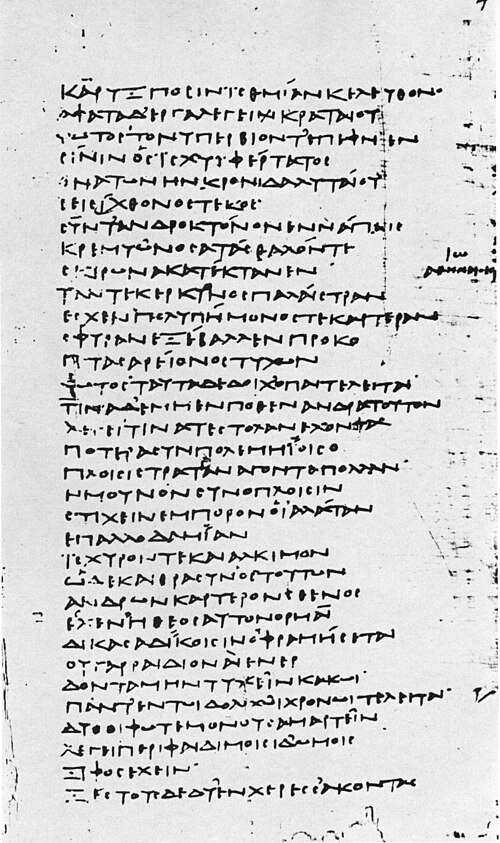
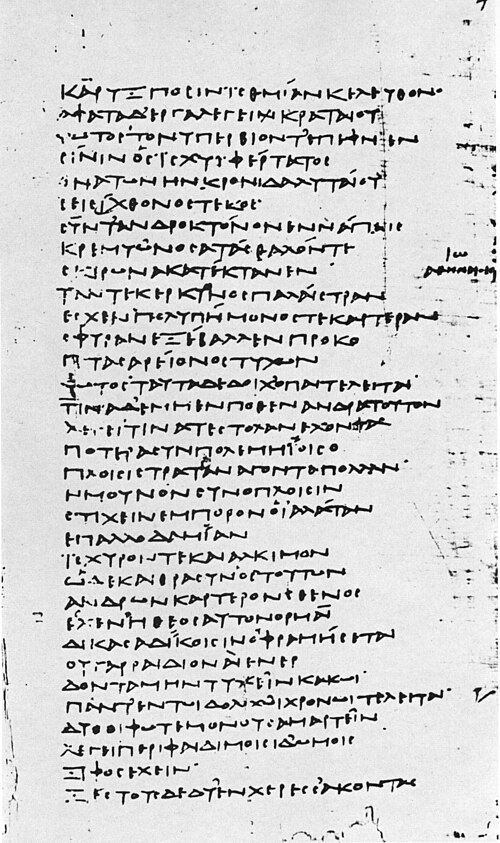
The first paragraph of the Alexiad: a meditation on time and oblivion, then the author's famous self-portrait, born in the purple and schooled in Aristotle and Plato, before she announces her subject, the deeds of her father Alexios I.

Ῥέων ὁ χρόνος ἀκάθεκτα καὶ ἀεί τι κινούμενος παρασύρει καὶ παραφέρει πάντα τὰ ἐν γενέσει καὶ ἐς βυθὸν ἀφανείας καταποντοῖ ὅπου μὲν οὐκ ἄξια λόγου πράγματα, ὅπου δὲ μεγάλα τε καὶ ἄξια μνήμης, καὶ τά τε ἄδηλα φύων κατὰ τὴν τραγῳδίαν καὶ τὰ φανέντα ἀποκρυπτόμενος. ἀλλ’ ὅ γε λόγος ὁ τῆς ἱστορίας ἔρυμα καρτερώτατον γίνεται τῷ τοῦ χρόνου ῥεύματι καὶ ἵστησι τρόπον τινὰ τὴν ἀκάθεκτον τούτου ῥοὴν καὶ τὰ ἐν αὐτῷ γινόμενα πάντα, ὁπόσα ὑπερείληφε, ξυνέχει καὶ περισφίγγει καὶ οὐκ ἐᾷ διολισθαίνειν εἰς λήθης βυθούς. ταῦτα δὲ διεγνωκυῖα ἐγὼ Ἄννα, θυγάτηρ μὲν τῶν βασιλέων Ἀλεξίου καὶ Εἰρήνης, πορφύρας τιθήνημά τε καὶ γέννημα, οὐ γραμμάτων οὐκ ἄμοιρος, ἀλλὰ καὶ τὸ Ἑλληνίζειν ἐς ἄκρον ἐσπουδακυῖα καὶ ῥητορικῆς οὐκ ἀμελετήτως ἔχουσα καὶ τὰς Ἀριστοτελικὰς τέχνας εὖ ἀναλεξαμένη καὶ τοὺς Πλάτωνος διαλόγους καὶ τὸν νοῦν ἀπὸ τῆς τετρακτύος τῶν μαθημάτων πυκάσασα (δεῖ γὰρ ἐξορχεῖσθαι ταῦτα, καὶ οὐ περιαυτολογία τὸ πρᾶγμα, ὅσα ἡ φύσις καὶ ἡ περὶ τὰς ἐπιστήμας σπουδὴ δέδωκε καὶ ὁ Θεὸς ἄνωθεν ἐπεβράβευσε καὶ ὁ καιρὸς συνεισήνεγκε) βούλομαι διὰ τῆσδέ μου τῆς γραφῆς τὰς πράξεις ἀφηγήσασθαι τοὐμοῦ πατρὸς οὐκ ἀξίας σιγῇ παραδοθῆναι οὐδὲ τῷ ῥεύματι τοῦ χρόνου παρασυρῆναι καθάπερ εἰς πέλαγος ἀμνημοσύνης, ὅσας τε τῶν σκήπτρων ἐπειλημμένος κατεπράξατο καὶ ὅσας πρὸ τοῦ διαδήματος ἔδρασεν ἑτέροις βασιλεῦσιν ὑπηρετούμενος.Time, flowing on unchecked and always moving something, sweeps away and carries off everything that comes into being, and sinks it into the depths of oblivion, here things of no account, there things great and worthy of remembrance, bringing to light, as the tragedy says, what was hidden and hiding what has appeared. But the account of history becomes the strongest bulwark against the stream of time; it checks, in a way, its unchecked flow, and all that happens within it, as much as it has grasped, it holds together and binds fast and does not let slip into the depths of forgetting. Knowing this, I, Anna, daughter of the emperors Alexios and Eirene, born and nursed in the purple, not without a share of letters but devoted to the utmost to the study of Greek, not unpractised in rhetoric, having read carefully the Aristotelian treatises and the dialogues of Plato, and having fortified my mind with the quadrivium of the sciences (for I must speak of these things, and it is no boasting to mention what nature and my zeal for learning have given me, what God has granted from above and the times have contributed), wish in this writing of mine to recount the deeds of my father, which do not deserve to be handed over to silence or swept away by the stream of time as into a sea of oblivion: both all that he accomplished once he had taken the sceptre and all that he did before the diadem, in the service of other emperors.

Ἀλεξιάς, Prologue 1 (c. 1148), the opening paragraph · Public-domain text, source: el.wikisource.org
C2

Read about Anna Komnene in Greek (C2)

Words from the passage

  • first-born
  • expectation
  • I found, establish
  • scholar, man of letters
  • conspiracy
  • I confiscate
  • I describe
  • hostility

Test yourself: 4 words from this page

1 / 4

What does this word mean?

Want to learn Greek?Start learning Greek
Others at level C2

Modern Greece · Novelist, critic and satiristEmmanouil Roidis1836 – 1904Modern Greece · PoetAndreas Kalvos1792 – 1869Antiquity · Philosopher and prose writerPlatoc. 427 BC – c. 347 BCAntiquity · Epic and didactic poetHesiodc. 750–650 BCModern Greece · Revolutionary writer and poetRigas Feraiosc. 1757 – 1798Antiquity · PhilosopherAristotle384 BC – 322 BCAntiquity · HistorianThucydidesc. 460 BC – c. 400 BCAntiquity · Lyric poetPindarc. 518 BC – c. 438 BCRenaissance · Archbishop and preacherJohn Chrysostomc. 347 – 407Renaissance · Byzantine historianProcopiusc. 500 – c. 565Modern Greece · Scholar of the Greek EnlightenmentAdamantios Korais1748 – 1833Modern Greece · Linguist, demoticistYannis Psycharis1854 – 1929Modern Greece · Surrealist poet and painterNikos Engonopoulos1907 – 1985Antiquity · SatiristLucian of Samosatac. 125 – after 180Antiquity · Lawgiver and poetSolonc. 630 BC – c. 560 BCModern Greece · SatiristAndreas Laskaratos1811 – 1901Modern Greece · NovelistKosmas Politis1888 – 1974Modern Greece · NovelistStratis Tsirkas1911 – 1980Modern Greece · Surrealist poet, psychoanalystAndreas Embirikos1901 – 1975Modern Greece · PoetMiltos Sachtouris1919 – 2005Modern Greece · NovelistMelpo Axioti1905 – 1973Modern Greece · Novelist, poetGiannis Skarimbas1893 – 1984Modern Greece · Philosopher, economist, psychoanalystCornelius Castoriadis1922 – 1997Modern Greece · Composer, architectIannis Xenakis1922 – 2001Modern Greece · Prose writerGiorgos Ioannou1927 – 1985Modern Greece · Novelist, playwrightPavlos Matesis1933 – 2013Modern Greece · LinguistManolis Triantafyllidis1883 – 1959Modern Greece · HistorianKonstantinos Paparrigopoulos1815 – 1891Modern Greece · Engraver, printmakerVaso Katraki1914 – 1988Modern Greece · Philosopher, jurist, PresidentKonstantinos Tsatsos1899 – 1987Modern Greece · PhilosopherIoannis Theodorakopoulos1900 – 1981Modern Greece · Short-story writer · teacherAlexandra Papadopoulou1867 – 1906Modern Greece · Folklorist · anthropologistAlki Kyriakidou-Nestoros1935 – 1988Modern Greece · Actor · stage directorAnna KokkinouModern Greece · Stage and film actressAntigoni Valakou1930 – 2013Antiquity · PainterApellesAntiquity · Grammarian and editorAristophanes of Byzantiumc. 257 BC – c. 180 BCModern Greece · Novelist; linguistDimitra Kolliakou1968Modern Greece · Theatre directorDimitris Rontiris1899 – 1981Modern Greece · Singer · songwriterEleni Vitali1954Modern Greece · Novelist · educatorElli Alexiou1894 – 1988Modern Greece · Singer · composerGiorgos Alkaios1971Antiquity · Orator and educatorIsocrates436 BC – 338 BCModern Greece · Stage and screen actorKaryofyllia Karabeti1958Modern Greece · Pop singerKostas Martakis1984Modern Greece · Stage director · actorLefteris Vogiatzis1944 – 2013Modern Greece · Choreographer · dancerLenio Kaklea1985Modern Greece · Novelist; journalistLilika Nakou1904 – 1989Modern Greece · Novelist · short-story writerMaria Mitsora1946Modern Greece · Singer · actress · directorMartha Frintzila1972Modern Greece · Actress · musical starMartha Karagianni1939 – 2022Modern Greece · Actor · stage and screenMirka Papakonstantinou1947Modern Greece · SculptorNausica Pastra1921 – 2011Modern Greece · Poet · prose writer · painterNiki Marangou1948 – 2013Modern Greece · ActressNora Valsami1945Modern Greece · PoetOlga Votsi1922 – 1998Antiquity · Bronze sculptor and art theoristPolykleitosModern Greece · Stage actressReni Pittakic. 1945Modern Greece · Singer · stage performerRita AntonopoulouModern Greece · Pop singerSarbel1981Modern Greece · Novelist · teacherSofia Nikolaidou1968Modern Greece · Film director · screenwriterStavros Tsiolis1937 – 2019Modern Greece · Singer · actressStefania Liberakakis2002Modern Greece · Rapper · producerStereo Mike1978Antiquity · Choral lyric poetBacchylidesc. 510 BCModern Greece · Stage actorVera Zavitsianou1927 – 2008Modern Greece · Playwright · actressXenia Kalogeropoulou1936

All personalities →